Cameroon: president biya’s extended european stay fuels succession and transparency debates
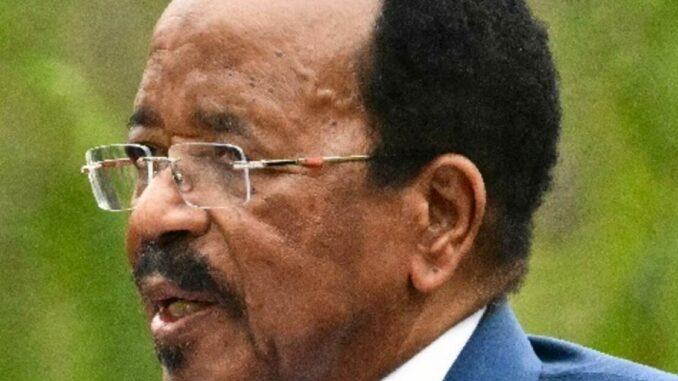
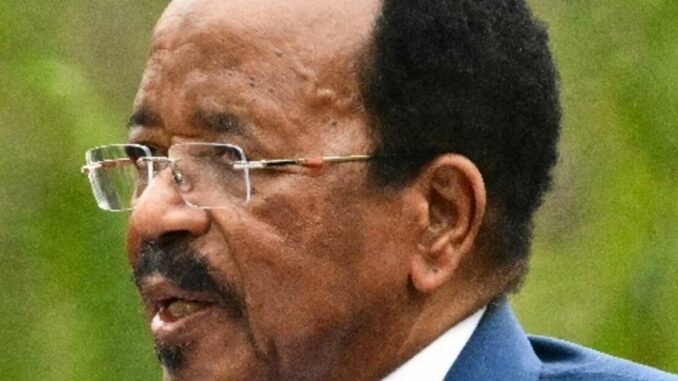
Eight weeks after departing for what was described as a “brief private visit to Europe,” Cameroonian President Paul Biya remains abroad. At 93 years old, the head of state inadvertently intensifies scrutiny regarding his capacity to govern, while the official silence from authorities further fuels speculation within an already uncertain post-presidential political landscape.
The administration is actively working to defuse the controversy. Several officials affirm that Paul Biya continues to fulfill his duties remotely and emphasize that no constitutional provision restricts the duration of a presidential stay outside the country. From Yaoundé’s perspective, there is no power vacuum or institutional crisis, with state affairs reportedly proceeding normally.
However, this official communication struggles to convince the opposition. Maurice Kamto’s Mouvement pour la renaissance du Cameroun (MRC) denounces a significant lack of transparency, asserting that the Cameroonian people are entitled to information concerning the president’s health status and his ability to fully exercise his responsibilities. According to MRC leaders, the secrecy surrounding his European sojourn only deepens public inquiries rather than resolving them.
Other opposition figures adopt a more institutional viewpoint. Cabral Libii, president of the PCRN, believes the true issue lies less in the head of state’s absence and more in the deficiencies of the legal framework governing the exercise of power. In his assessment, the legislative and municipal elections scheduled for early 2027 could present an opportunity for comprehensive institutional reform.
With just eight months remaining until the start of Paul Biya’s new mandate, this prolonged absence revitalizes a long-standing discourse on governance, succession, and the urgent need for greater transparency at the highest levels of government. More than a mere dispute over a presidential trip, it starkly illuminates the inherent fragilities of a political system largely organized around a single individual who has held power for over four decades.