N’Djamena weddings blend sudanese and chadian traditions
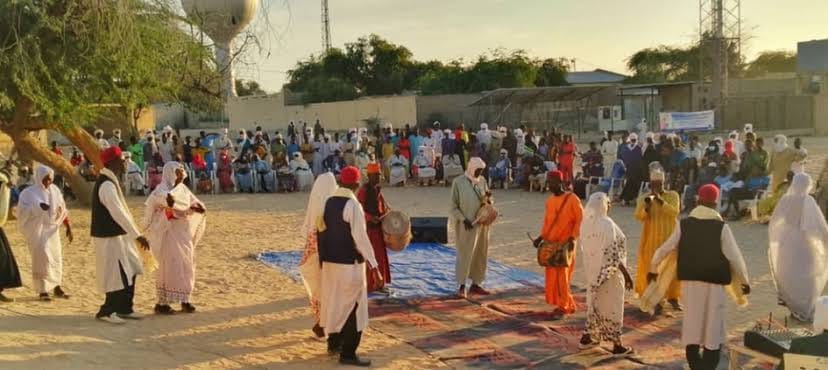
Weddings in N’Djamena are undergoing a cultural shift that blends Chadian and Sudanese traditions, raising concerns about the future of local customs. Modern ceremonies are gradually replacing traditional practices, sparking debates about cultural identity in the heart of Chad’s capital.
Sudanese influences reshaping chadian weddings
Increasingly, Chadian marriages—especially in N’Djamena—are adopting customs from neighboring Sudan. The groom receives intricate henna designs on his hands and feet, mirroring the bride’s own adornments. The wedding procession now often includes the groom carrying his bride into their new home, a practice traditionally associated with Sudanese weddings.
Days after the main ceremony, a second event takes place where the groom publicly presents jewelry to his bride in the presence of both families. These customs, once uncommon in Chad, are becoming standard in many urban weddings, leaving some to question whether they will overshadow Chadian traditions entirely.
Contrasting traditions: what changed in chadian weddings?
The traditional Chadian wedding was rooted in community values, wisdom from elders, and familial bonds. Unlike today’s elaborate celebrations, the process began with the payment of the dot, after which the bride and groom had limited interaction before marriage. On the wedding day, the bride left her family home accompanied by her mother and grandmother, who imparted lessons on patience, respect, and responsibility in marriage.
A week after the wedding, the bride’s family would symbolically entrust her to neighbors, asking them to guide her through challenges and celebrate her successes. This practice reinforced trust and solidarity within the community, ensuring the bride felt supported in her new life.
Music and storytelling were also central to traditional weddings. Griots, traditional drummers, and singers shared the history and values of the community through their performances. Today, these elements are being replaced by modern entertainment, leaving cultural elders worried about the loss of heritage.
Modern twists and fading traditions
In many N’Djamena neighborhoods, weddings now mirror Sudanese styles—from decor and attire to the henna ceremony and choreographed moments for the couple. Some guests find it difficult to tell a Chadian wedding apart from a Sudanese one.
A local elder from the Bololo district expressed his concerns: « Weddings used to be a school of life. Elders spoke, the youth listened, and everyone left with wisdom. Now, the focus is on spectacle rather than guidance. »
Maman Azma, a mother and director of the Lamy Fortain association, highlighted a growing gap: « Many young women today know Sudanese wedding customs but have little knowledge of the traditions their grandmothers followed. If we don’t pass these down, they will fade away. »
Not everyone views the changes negatively. A newlywed groom argued: « Borrowing beautiful traditions doesn’t mean rejecting our own. The key is preserving the core values of marriage. »
Balancing tradition and modernity
The question remains: how can Chad preserve its cultural identity while embracing outside influences? Heritage experts emphasize that the goal isn’t to reject foreign customs but to ensure Chadian traditions are passed down to future generations so they endure over time.