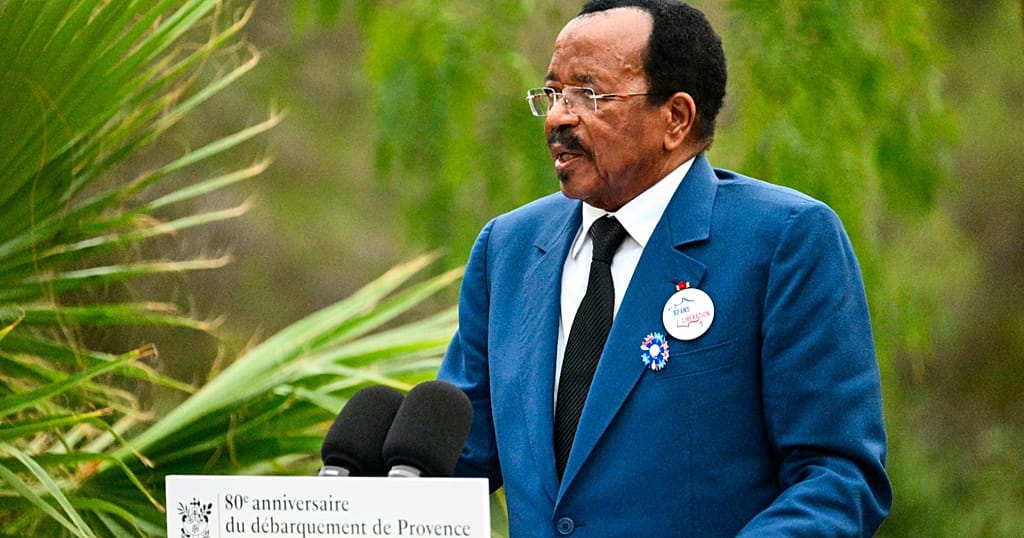

As Cameroon faces mounting concerns over a rare absence from public life, President Paul Biya has intensified his use of presidential decrees to reinforce perceptions of uninterrupted governance. The 93-year-old leader departed Cameroon with his wife on June 7, described at the time as a “brief private stay in Europe.”
Yet, nearly two months later, Biya remains out of sight, fueling speculation about his health and sparking debates over the stability of leadership in Central Africa’s most populous nation.
Decrees and promotions: Biya’s strategy to maintain control
To counter doubts about his capacity to lead, the Cameroonian president has adopted a proactive approach, signing multiple decrees that underscore his ongoing authority. In late July, Biya authorized a key economic agreement, granting the Minister of Economy the power to finalize a substantial deal with the Islamic Development Bank. The transaction, valued at nearly 28 billion CFA francs, signals continued engagement in national and regional financial matters.
On August 3, the president took further action by reshuffling the military’s top ranks. Five colonels were elevated to brigadier general status, while General Ebaka Hypolite was appointed as the new Major General of the Armed Forces. These strategic military appointments not only demonstrate Biya’s enduring influence but also strengthen the security apparatus under his command.
The government has dismissed rumors of a health decline, reassuring citizens of the president’s imminent return to Cameroon. However, the prolonged absence has intensified criticism from opposition groups, who argue the nation is operating in an institutional “void” and under “autopilot” leadership.
Political tensions rise as key positions remain unfilled
Months after the anticipated formation of a new cabinet and the appointment of a vice president, no progress has been made. Critics warn that the delay exacerbates governance challenges, leaving critical state functions in limbo. Meanwhile, Biya’s decree-driven governance serves as a visible reminder of his enduring, if distant, presence in national affairs.