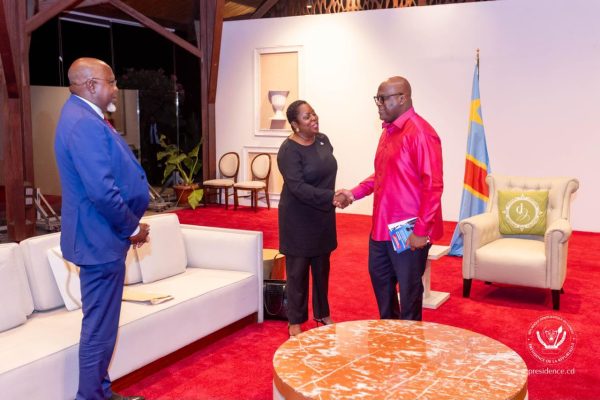

Kinshasa is stepping up efforts to secure France’s formal recognition of the Congolese genocide (GENOCOST) through a strategic diplomatic push slated for the upcoming parliamentary session. This initiative was unveiled by the Collective of French Elected Officials of Congolese Origin (CEFOCK) following a high-level meeting with President Félix Tshisekedi at the African Union City in Kinshasa.
The campaign will unfold through awareness-raising events, targeted advocacy workshops, and coordinated outreach to French local governments, national institutions, and the Congolese diaspora. The goal is to elevate the GENOCOST debate from advocacy circles into mainstream political discourse in France.
Breaking the silence: mobilising France’s political and media landscape
For years, the Congolese genocide has remained sidelined in international discussions, often confined to the margins of humanitarian reports. CEFOCK’s leaders, who bridge Kinshasa and Paris through their dual roles, aim to dismantle this silence by framing the GENOCOST as a national priority—not merely a humanitarian cause.
A strategic alliance to document and repair
To bolster this campaign, CEFOCK will collaborate closely with the Inter-Institutional Commission for Victim Assistance and Reform Support (CIA-VAR), a Congolese government body tasked with memorialising victims, documenting crimes, and facilitating reparations. This partnership targets two critical objectives:
- Ensuring the atrocities committed against Congolese civilians are permanently etched into collective memory;
- Accelerating official recognition of the genocide to unlock pathways for justice and compensation.
The Congolese Head of State commended the initiative, emphasising its alignment with the country’s broader memorial diplomacy strategy on the global stage.
Diaspora power: turning testimonials into political action
The Congolese diaspora in France—now represented in municipal, departmental, and regional councils—has become a formidable force in advocating for genocide recognition. Through CEFOCK’s coordinated efforts, this community shifts from sharing personal stories to driving institutional change. By engaging directly with French lawmakers, the campaign seeks to mirror precedents set for other recognised genocides, pushing for a parliamentary resolution endorsing the GENOCOST.
This groundswell of activism mirrors recent domestic mobilisations. On August 2, during the national GENOCOST remembrance day, President Tshisekedi inaugurated construction on the National GENOCOST Museum and a dedicated memorial. These projects underscore Kinshasa’s commitment to institutionalising memory and justice for the victims of resource-driven violence in the DRC.
With coordinated action both at home and abroad, the Democratic Republic of the Congo is positioning itself to reshape the narrative around its history—and secure the justice its people deserve.