
A decisive stand on a symbolic anniversary
The first of October marks the anniversary of the birth of the Federal Republic of Cameroon. On that day in 1961, the former French colony and Southern Cameroons, then under British administration, came together. But that reunification is contested by some anglophone separatists. On October 1, 2017, Ambazonian separatists unilaterally declared independence for the North-West and South-West regions.
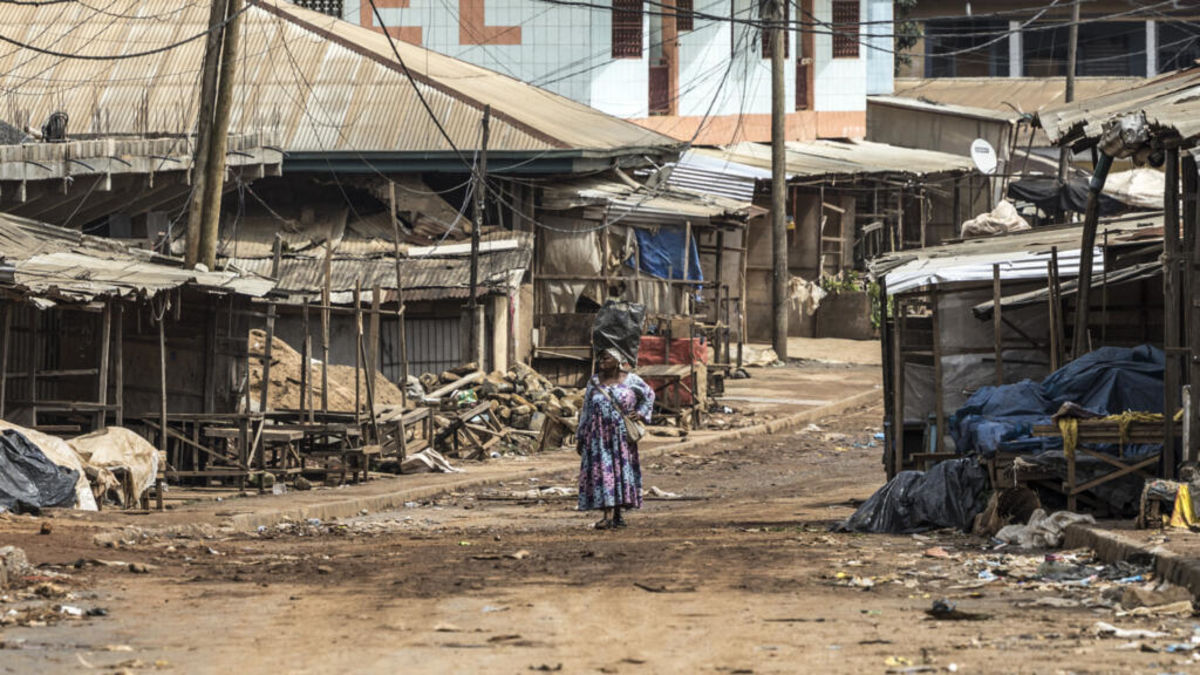
For this year’s “ghost town” day, called in several towns of the North-West and South-West (NOSO) by anglophone separatists, Cameroonian authorities, fearing demonstrations, set up a security dragnet. By midday, no particular movement had been reported. But activity is grinding to a halt in the main cities, with residents choosing to stay home on this symbolic day.
Security deployment and the mood on the ground
A resident of Bamenda, in the North-West, said he went out to exercise in sparsely frequented streets before returning home, where he will spend the rest of the day. At crossroads in Bamenda, tanks and numerous military patrols are visible, “as a deterrent” according to some residents. The atmosphere is much the same in Buea, the main city of the South-West, and in neighbouring towns, where people have also stayed indoors.
A decade of crisis fuels online debate
On social media, such as TikTok, several panels—where the blue and white colours claimed by separatists can be seen—are hosting debates on the ten years of crisis that have hit the two anglophone regions.
In a reflection published this October 1st, Khongor Félix Agbor, a lawyer and former detainee of the anglophone crisis, remembered “the families who have buried their loved ones, the displaced, the children whose schooling has been interrupted, all those who are afraid and the detainees of the anglophone crisis”.
According to several NGOs, the anglophone crisis has caused more than 6,000 deaths and hundreds of thousands of displacements over ten years.