
Cameroon’s power struggle: the biya succession battle heats up
Behind the Scenes: Cameroon’s Quiet Battle for the Presidential Succession
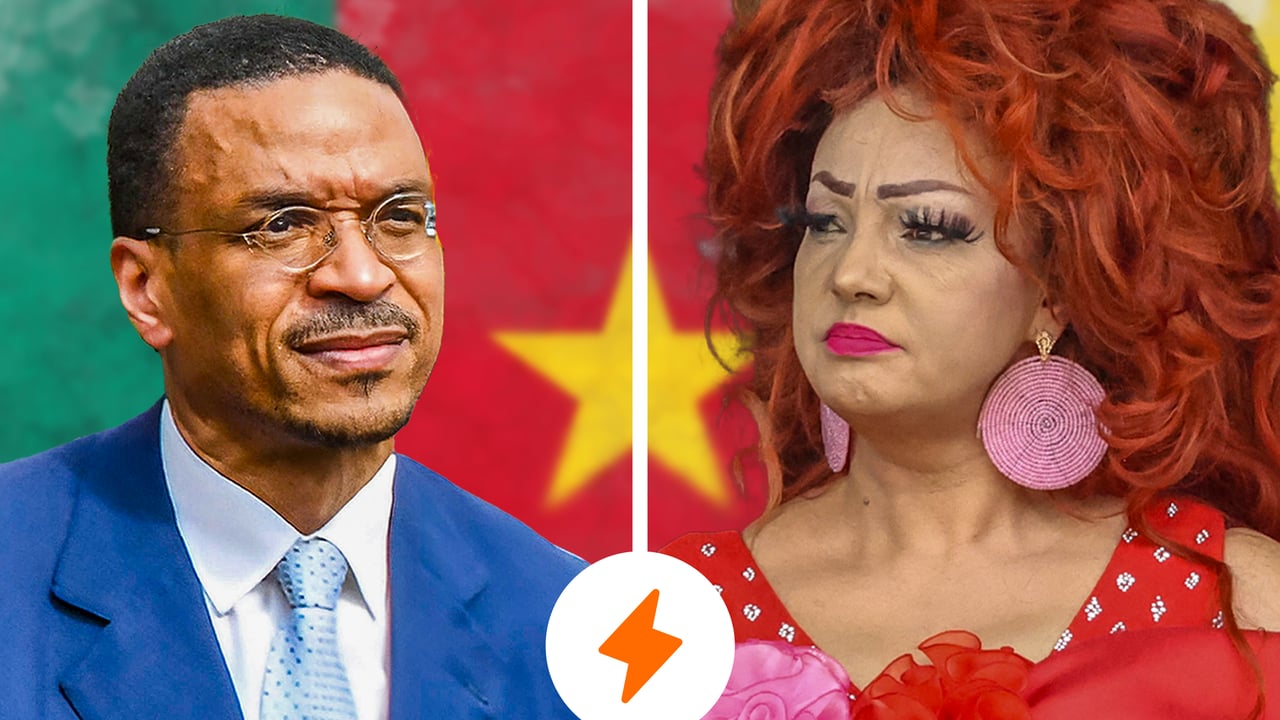
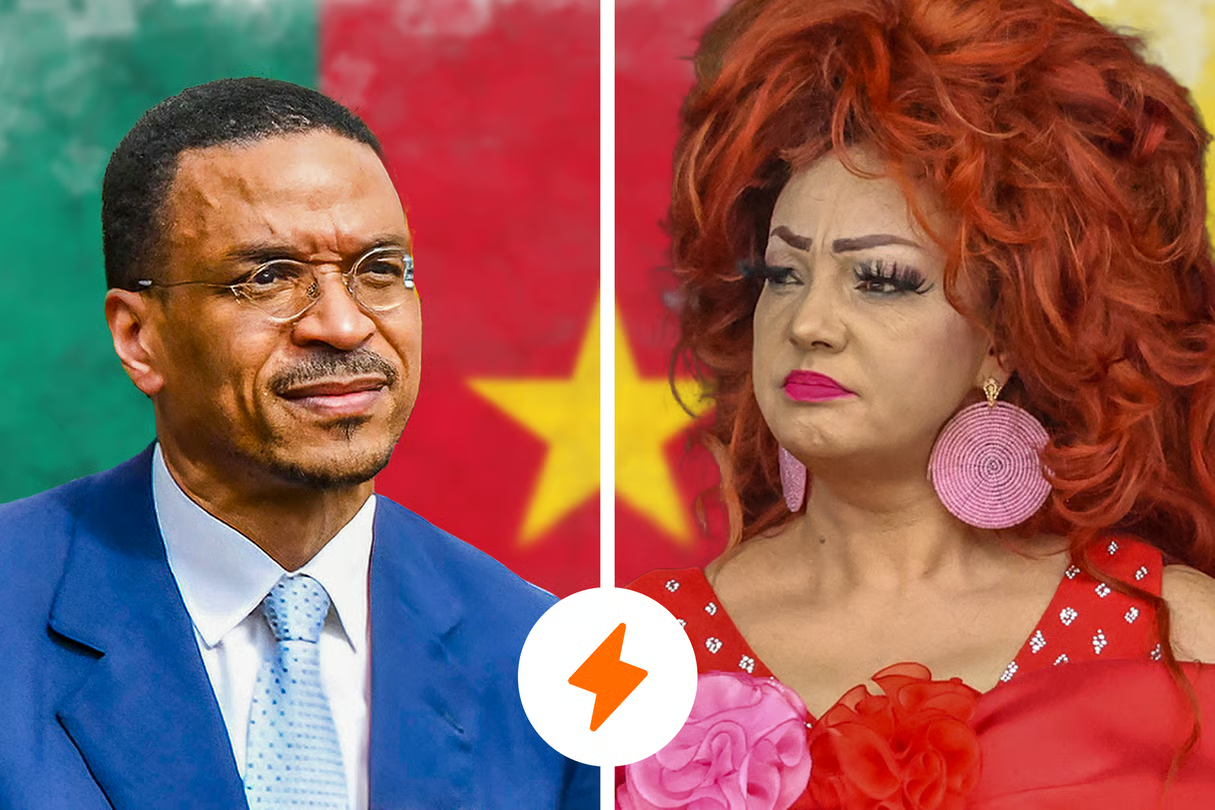
The political landscape of Cameroon is witnessing an intense, behind-the-scenes power struggle as the shadows of a potential leadership transition loom large. At the heart of this silent confrontation are two key figures: Chantal Biya, the First Lady, and Franck Biya, the President’s son. Their rivalry is not just a family matter—it’s reshaping the dynamics of Cameroon’s ruling elite.
The Rise of Competing Ambitions
The tension between these two influential figures has been simmering for years, but recent developments suggest the stakes have never been higher. While Paul Biya, Cameroon’s long-serving president, remains at the helm, whispers of succession plans are growing louder. Chantal Biya, known for her strategic acumen and deep involvement in national affairs, has been positioning herself as a potential power broker in any post-Biya era. Meanwhile, Franck Biya, who has gradually expanded his political footprint, appears determined to carve out his own legacy.
Public Faces, Hidden Battles
What makes this succession battle so intriguing is the public persona each protagonist projects. Chantal Biya, often seen as the president’s closest advisor, has cultivated an image of resilience and influence. Her frequent appearances at official events and her role in shaping Cameroon’s social policies have cemented her reputation as a formidable figure. On the other hand, Franck Biya, though less visible, has been quietly consolidating support within key institutions, including the military and business circles.
The contrast between their strategies is striking. While Chantal Biya leverages her high-profile role to maintain visibility, Franck Biya appears to be playing the long game, focusing on behind-the-scenes alliances and institutional power bases. This divergence in approach could determine who ultimately emerges as Cameroon’s next leader.
Regional Implications of a Power Shift
The outcome of this internal struggle could have far-reaching consequences for Cameroon’s stability and its role in Central Africa. A smooth transition—whether led by Chantal Biya, Franck Biya, or another figure—might reinforce Cameroon’s position as a regional anchor. Conversely, a fractured succession battle could destabilize the country, particularly given the ongoing security challenges in neighboring regions.
As Cameroon navigates this delicate phase, one thing is clear: the Biya era, which has defined the country for decades, is entering its final chapter. The question now is who will inherit the reins—and at what cost.
Key Takeaways
- The rivalry between Chantal Biya and Franck Biya is intensifying, with each positioning themselves for a potential succession battle.
- Chantal Biya’s public influence contrasts with Franck Biya’s behind-the-scenes consolidation of power.
- The outcome could reshape Cameroon’s political future and its role in Central Africa.