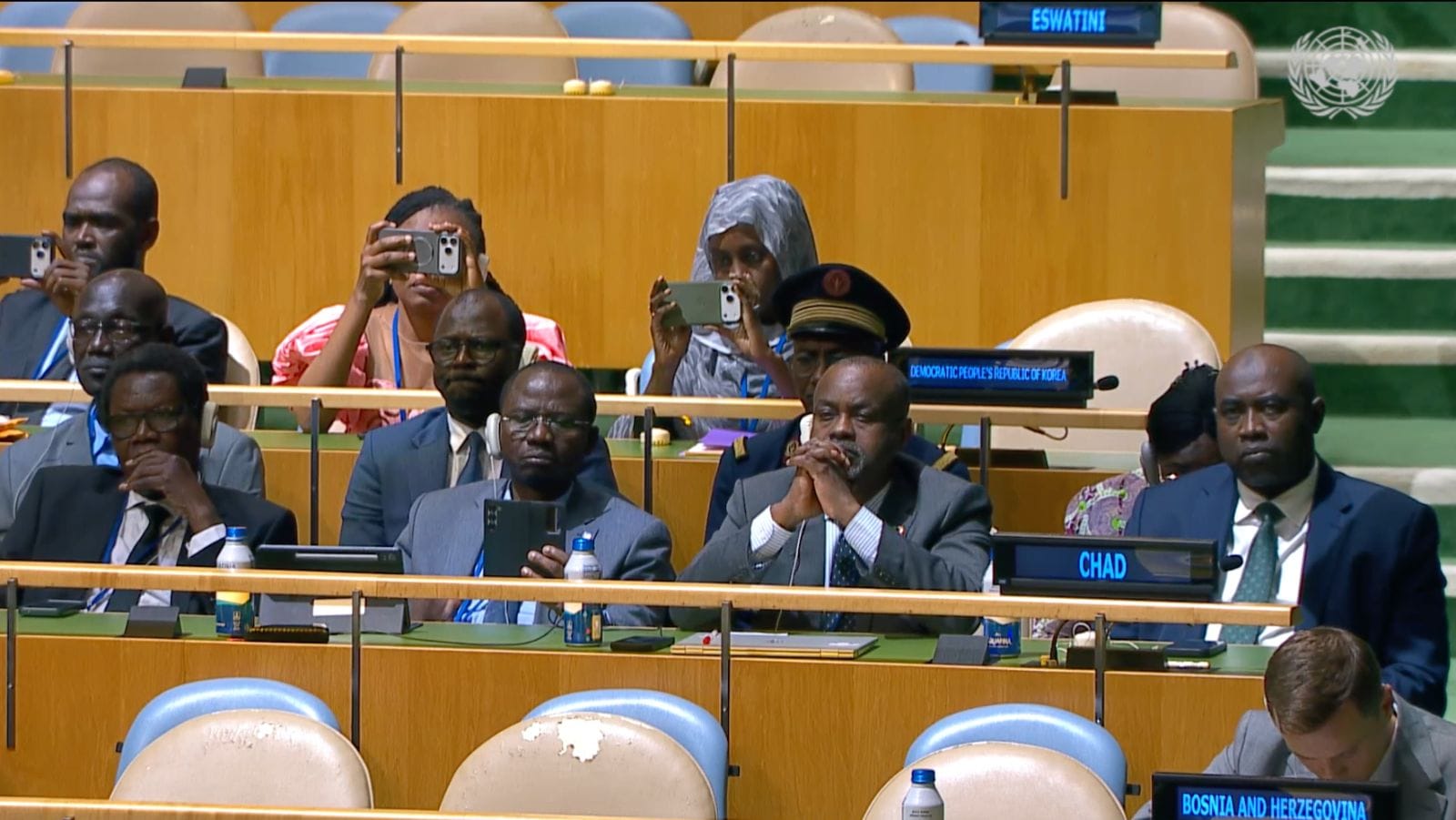
Chad draws a red line at the UN as Ennedi-Est airstrikes ignite a broader debate
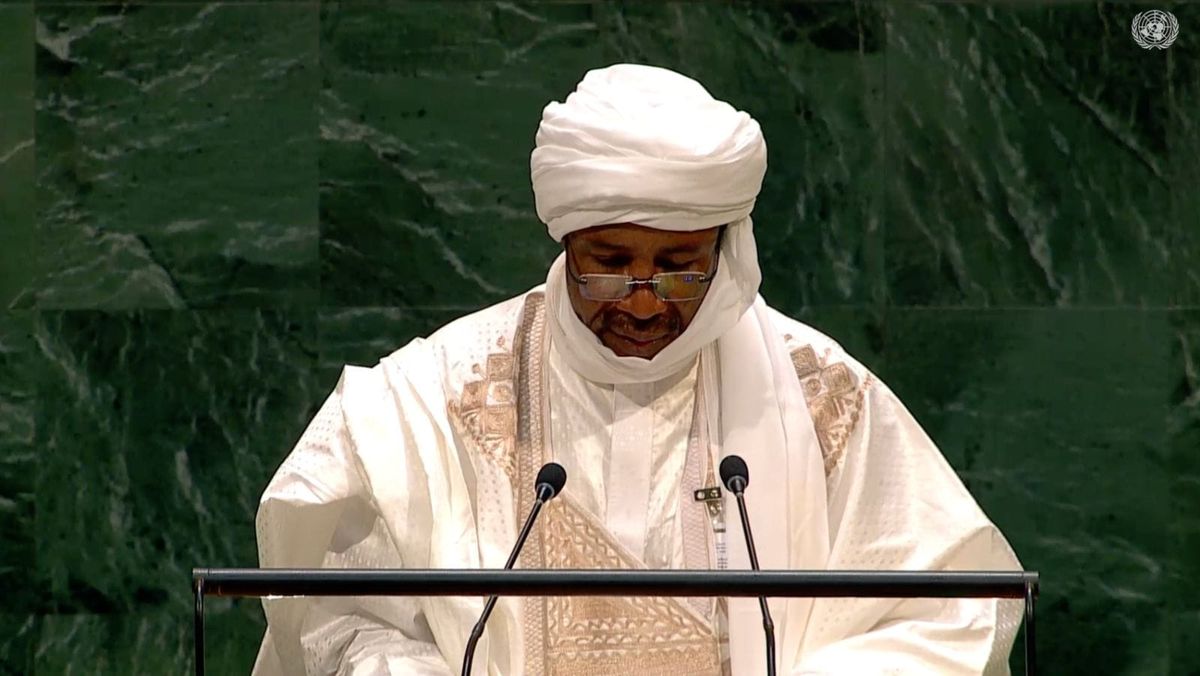
Chad’s address to the 81st UN General Assembly, delivered by Health Minister Abdelmadjid Abdelrahim Mahamat, has triggered wide-ranging reactions: the government’s forceful condemnation of recent airstrikes in Ennedi-Est is now fueling public discussion about what comes next and how far N’Djamena is prepared to go.
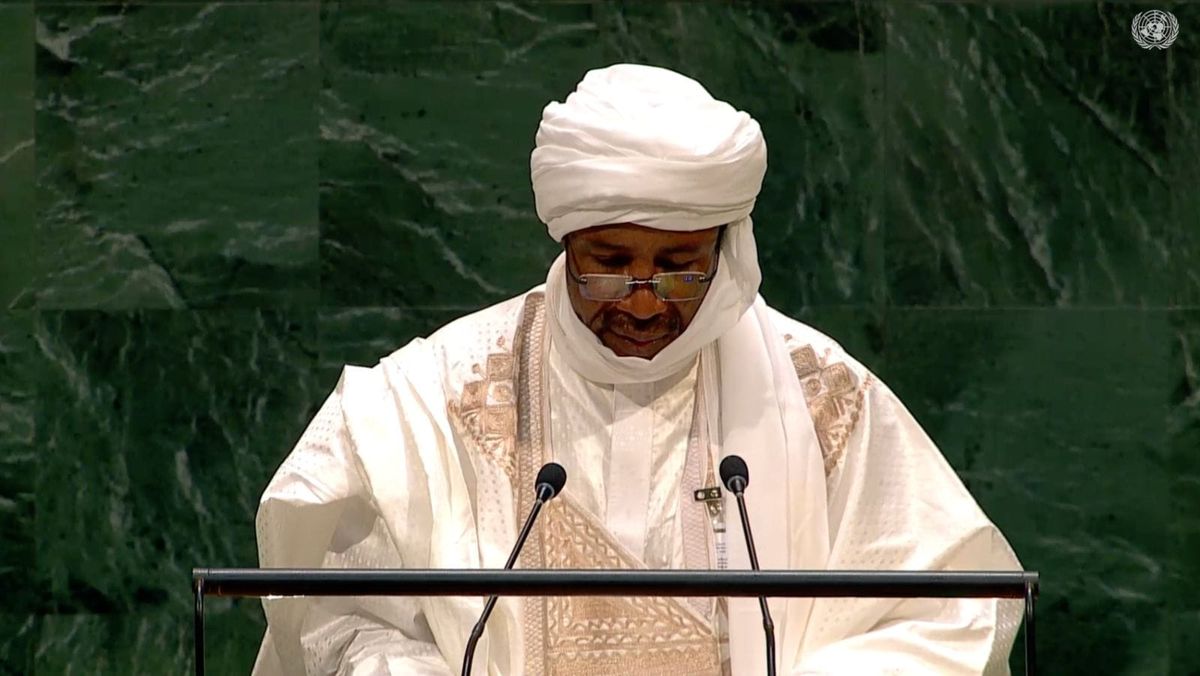
Chad’s message at the 81st United Nations General Assembly has sparked a wave of reactions and opened a new chapter in the public conversation about the country’s security and diplomacy. Dr Abdelmadjid Abdelrahim Mahamat, Minister of Public Health and Prevention, read the address on behalf of President Mahamat Idriss Déby Itno, underscoring Chad’s diplomatic and humanitarian record while placing the recent airstrikes in Ennedi-Est at the heart of the debate.
The fallout from that speech is already being felt. The government’s firm condemnation of the strikes has prompted questions about what comes next: whether N’Djamena will harden its stance, how regional partners will respond, and whether the incident will reshape Chad’s approach to its neighbors. In the meantime, the authorities continue to stress the fragility of the Lake Chad basin and are pressing developed nations to make good on their financial pledges for climate resilience.
On the security front, Chad has once again highlighted its contribution to peacekeeping, including the deployment of 1,500 troops to Haiti as part of the force authorized by the Security Council. The humanitarian picture along its borders remains equally critical, with more than two million displaced people hosted on Chadian soil, among them over a million Sudanese refugees who have fled the conflict since April 2023.
While reiterating its strict neutrality in the Sudanese conflict and its backing for peace initiatives, the Chadian government issued a stark warning. It condemned in the strongest terms the recent airstrikes in Ennedi-Est province, describing them as an unacceptable violation of its territorial integrity and reserving the right to retaliate should such acts occur again. That position has reinvigorated the national debate over Chad’s sovereignty and the price of its regional commitments.
Chad also weighed in on broader international issues, rejecting acts of aggression against sovereign states from Iran to the Gulf, as well as in Gaza and Cuba. It reaffirmed its support for a two-state solution in the Middle East and called for far-reaching reform of multilateral institutions. What remains to be seen, observers say, is whether this UN appearance will translate into concrete action — or remain a warning that fades once the General Assembly clears.