
Chad president grants pardon to opposition leader Succès Masra
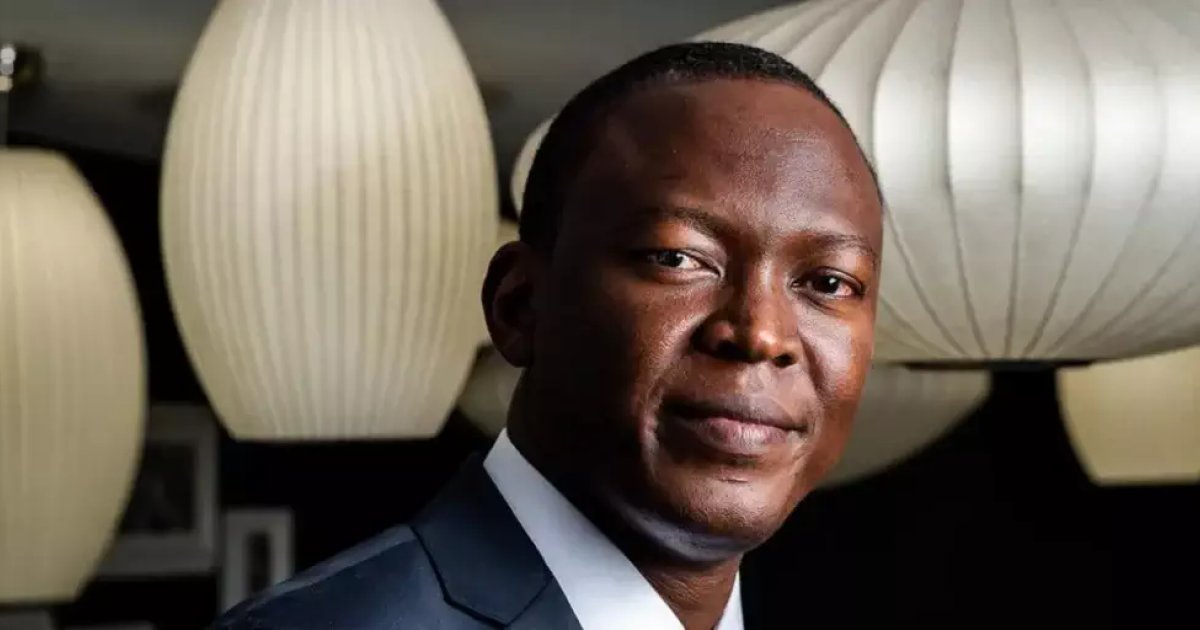
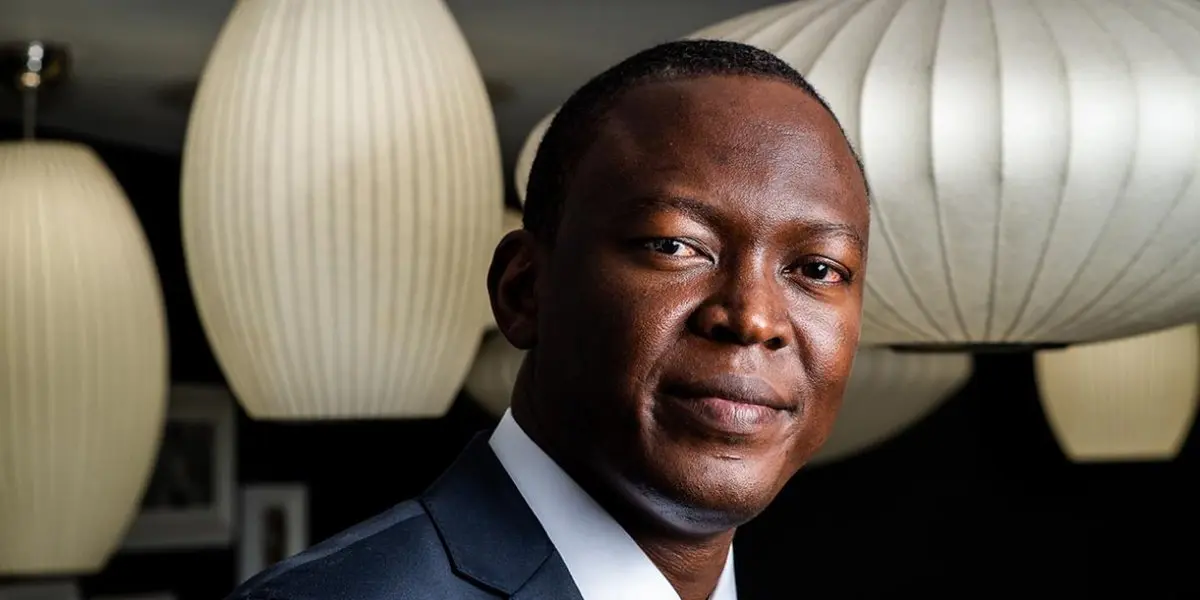
A historic decision has reshaped Chad’s political landscape. On August 14, 2026, President Mahamat Idriss Déby Itno granted a presidential pardon to Succès Masra, former transitional Prime Minister and leader of the Les Transformateurs party. Masra, sentenced to 20 years in prison for serious offenses, is now poised for imminent release—though the pardon does not annul his conviction.
From prison to freedom: what the pardon changes
The presidential pardon represents a critical shift in the case of Succès Masra. Condemned in August 2025 for his alleged role in deadly violence in Mandakao, Logone Occidental province, Masra was found guilty of inciting hatred and complicity in murder—charges tied to clashes that left dozens dead in May 2025. While the decision paves the way for his release, it does not erase the legal weight of his conviction.
In late May 2026, Chad’s Supreme Court upheld his sentence after rejecting a final appeal. This closed the door on further legal recourse within the national court system, leaving the presidential pardon as the only remaining path to alter his detention status.
Why this pardon matters in Chad’s political climate
Granting a pardon to a prominent opposition figure like Succès Masra sends a clear signal ahead of Chad’s 66th Independence Day. Analysts view this move as a deliberate gesture of reconciliation, aimed at easing political tensions and fostering dialogue with civil society and opposition groups. The president’s decision aligns with earlier statements about using clemency to promote national unity in the lead-up to the anniversary.
Masra’s political journey has been marked by sharp confrontation. Appointed transitional Prime Minister in January 2024, he abruptly resigned after challenging the results of the May 2024 presidential election, in which he officially received 18% of the vote against Mahamat Idriss Déby’s 61%. His arrest in May 2025 and subsequent trial further strained relations with the ruling administration.
What the pardon does—and does not—do
It’s essential to understand the limits of a presidential pardon. While it can lead to early release by suspending or reducing a sentence, it does not overturn a court verdict. This distinction is crucial for Masra’s legal team, which has long contested the fairness of his trial and the validity of the charges.
For the opposition, the pardon is a symbolic victory. It demonstrates a willingness—albeit cautious—on the part of the government to engage with dissenting voices. Yet it also underscores the persistent imbalance of power in Chad’s political system, where clemency remains a top-down tool rather than a judicial correction.
As Masra prepares to re-enter public life, the move raises questions about the future of political reconciliation in Chad. Will this act of clemency ease tensions or merely postpone them? Only time will tell—but one thing is clear: the decision has already reshaped the national conversation.