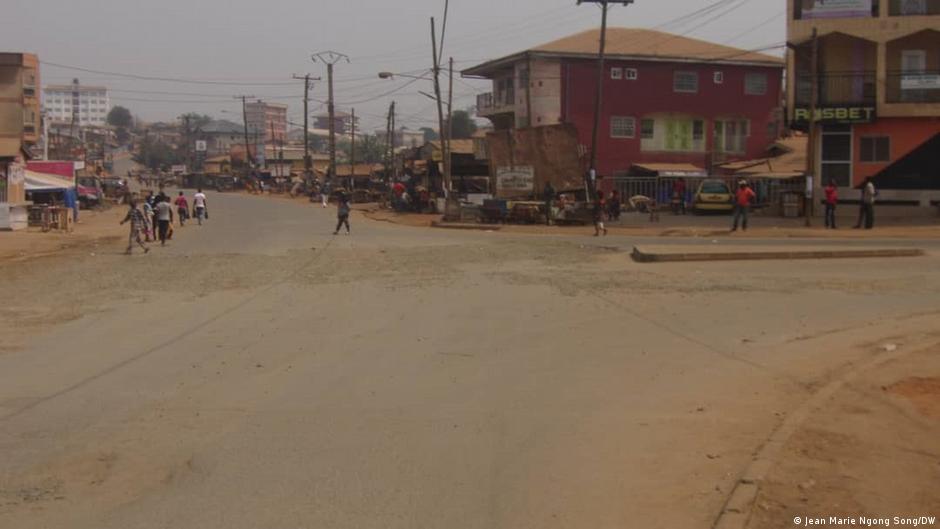

strugling road linking Douala to Bafoussam raises safety concerns
Once Cameroon’s most reliable trade route, National Road 5—linking the economic hub of Douala to Bafoussam and extending toward Bamenda in the Northwest’s Anglophone region—now bears the grim distinction of being one of the country’s most dangerous roads. Chronic neglect, relentless commercial traffic, and worsening climate impacts have turned this vital corridor into a death trap.
The road’s decline stems from multiple pressures: heavy, unrelenting freight and intercity bus traffic, chronic underinvestment in maintenance, and increasingly intense rainfall that erodes asphalt, carves deep potholes, and triggers devastating landslides.
Journey through a broken road
Traveling from Douala to Bafoussam by bus today is a test of endurance. Flash floods routinely wash away pavement, gaping sinkholes swallow entire lanes, and sudden ground collapses force drivers onto treacherous detours.
A trip that once took three and a half hours now stretches to ten or more, with passengers enduring extreme discomfort and anxiety. Road users describe a desperate situation, like this commuter who shared their ordeal: “I left Bafoussam 14 hours ago. The main road in Haut-Nkam is completely impassable. We had to take a detour through Yaoundé—even though we weren’t heading there—before turning toward Bagangté just to rejoin the route to Douala. We’re exhausted, bruised, and barely standing.”
The deadly western triangle
The western highlands’ steep terrain amplifies every risk. In November 2024, a cliffside collapse near Dschang buried buses and cars, claiming 14 lives—a stark reminder of the road’s vulnerability to extreme weather. The deadly stretch between Douala, Yaoundé, and Bafoussam—dubbed the “Triangle of Death”—is reportedly responsible for nearly 100 traffic fatalities monthly.
Another traveler summed up the ordeal: “I arrived in Bafoussam at 2 a.m. It was pure suffering. I’d pay double the fare to take National Road 3 to Yaoundé, then National Road 6 to Bafoussam—anything to avoid this nightmare on National Road 5. Ten or eleven hours on that death trap is like being disassembled piece by piece.”
Government plans vs. public frustration
In response to the crisis, authorities have announced a 180 billion CFA franc rehabilitation plan. Yet frustration is boiling over among drivers and passengers. Mika Séma, a local transporter, voices the outrage: “We pay tolls to maintain the road, yet we’re driving on a gravel path. Why should we keep paying when there’s no road to maintain? The government must act—now.”
With rainy seasons intensifying and no major repairs in sight, National Road 5 continues to claim lives, strangle commerce, and deepen public despair. Unless urgent action is taken, this once-vital artery will remain a deadly gamble for all who travel it.