
The hidden mechanics behind Burkina Faso’s expulsed miners and Russia’s strategic calculations
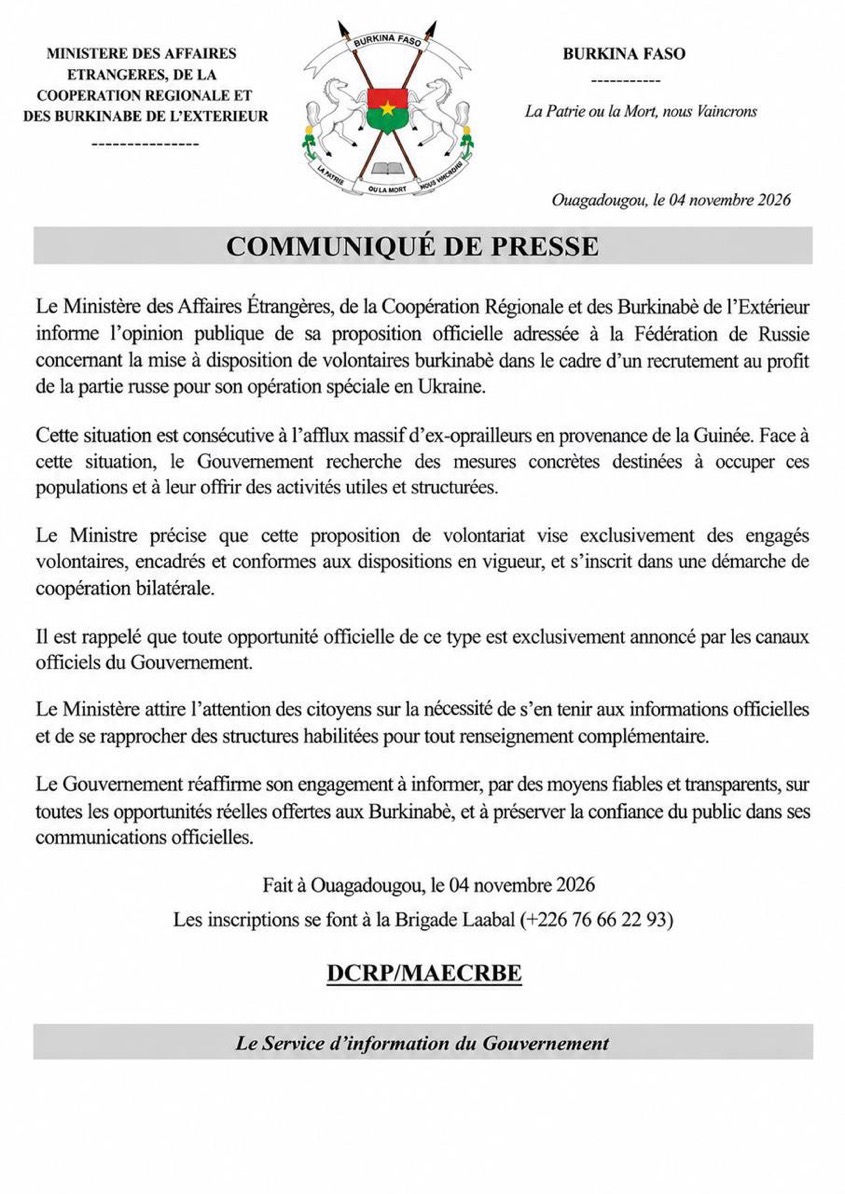
Behind the diplomatic posturing between Ouagadougou and Moscow lies a lesser-examined human and logistical puzzle: the fate of Burkinabè gold miners expelled from Guinea and the shadowy framework that may be reshaping them into a new kind of battlefield asset. Reports suggest that Burkina Faso has not only absorbed these displaced workers but is now considering their potential deployment as volunteers within Russian forces engaged in Ukraine. This behind-the-scenes maneuver raises pressing ethical and strategic questions about consent, coercion, and the true cost of burgeoning military partnerships.
From gold fields to front lines: the precarious journey of expelled migrants
The individuals at the center of this unfolding situation were not combatants when they left Burkina Faso. They were artisanal miners many driven across borders by economic necessity who found themselves expelled from Guinea after years of clandestine gold extraction. Upon their return to Ouagadougou, instead of receiving structured reintegration support, they appear to have been funneled into a process whose ultimate purpose remains ambiguous.
Local accounts indicate that several groups of these returnees have been systematically transported to the capital under organized convoys. While officials claim the initiative is part of a humanitarian repatriation program, the timing, coordination, and scale of these movements suggest a more calculated agenda one that may culminate in their recruitment for combat roles far from West Africa.
Russia’s calculus: filling the ranks with vulnerable recruits
With Moscow facing significant manpower shortages in its ongoing conflict in Ukraine, the possibility of outsourcing recruitment to partner states represents a cost-effective and politically expedient solution. Burkina Faso’s recent pivot toward Russia evidenced by the visible presence of Russian paramilitary advisors has created a channel through which such an arrangement could be formalized.
For Russian military planners, Burkinabè returnees offer a twofold advantage: they are already outside Western legal scrutiny zones, and their social and economic vulnerability makes them susceptible to offers involving immediate financial incentives, citizenship promises, or even pressure disguised as opportunity. The question, however, is whether these individuals are truly making informed, voluntary decisions or whether their precarious circumstances are being exploited to meet a foreign power’s military needs.
Who benefits from the silence? unpacking the chain of responsibility
Under international law and principles of state sovereignty, Burkina Faso retains a duty to protect its citizens. Yet in this case, the government’s role appears to extend beyond mere repatriation. Eyewitness and community testimonies describe coordinated transfers of miners to military facilities under guarded conditions, followed by opaque recruitment sessions involving Russian officials.
The absence of transparent disclosures regarding contract terms, risk exposure, duration of service, or post-deployment guarantees casts serious doubt on the voluntariness of such agreements. When individuals are already traumatized by expulsion, loss of livelihood, and debt, the line between choice and duress blurs dangerously. Human rights organizations warn that such economic coercion undermines the foundational principle of free and informed consent in military service.
Sovereignty versus exploitation: where does accountability begin?
The Burkinabè government has framed its alliance with Russia as a sovereign act of diversification a break from historical dependencies. But sovereignty, at its core, demands protection of the people, not their instrumentalization. If Burkinabè citizens are being mobilized for a war in which they have no national stake, then the state’s moral and legal authority is compromised.
Public officials have yet to clarify key points: Who authorized the enrolment talks with Russian representatives? What safeguards exist for the families of volunteers? How are consent and legal capacity verified among returnees still recovering from trauma? Without clear answers, the narrative of strategic partnership risks collapsing into one of state-enabled human exploitation.
The ultimate question: humanitarian relief or military conscription in disguise?
At the heart of this controversy lies a stark dilemma. Are these displaced miners being given a chance at a new life through structured integration and vocational training? Or are they being channeled into a pipeline that leads directly to the trenches of Ukraine?
The optics of the operation mass transfers, guarded facilities, and rushed briefings point ominously toward the latter. In a geopolitical game where human life is increasingly commodified, Burkina Faso now faces a defining test: whether its newfound strategic independence will be measured in soldiers sent to die abroad, or in policies that prioritize the dignity and security of its own people.
By Moussa Samuel Coulibaly — Journalist