
Despite its withdrawal from the Economic Community of West African States (CEDEAO), Mali continues to benefit from a regional electrification project coordinated by the organisation. This behind-the-scenes dynamic reveals a deeper layer of cooperation that persists even amid political fractures.
How a regional energy project outlasts political divisions
The breakdown in diplomatic relations between Bamako and CEDEAO, which saw Mali join Burkina Faso and Niger in breaking away from the bloc, did not put a halt to ongoing development initiatives. A pre-existing electrical access project, launched in 2019, remains operational, delivering tangible benefits to Malian communities despite the withdrawal.
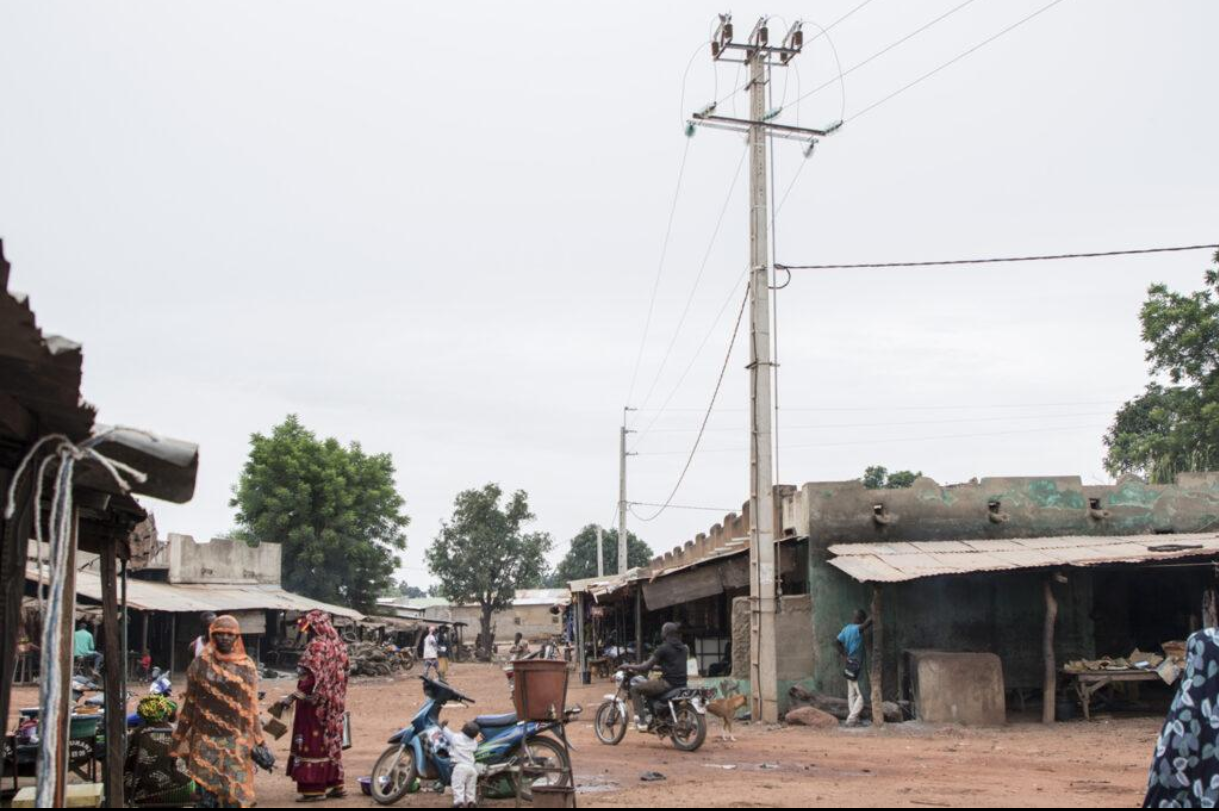
The ECOWAS Regional Electricity Access Project (ECOWAS-REAP) was designed to expand electricity access in underserved areas of Gambia, Guinea-Bissau, and Mali. With a $225 million investment from the World Bank and coordination led by CEDEAO, the program has already connected 490 localities and improved or extended electricity access to nearly 500,000 people.
Pragmatic cooperation in the face of institutional separation
While Mali’s political separation from CEDEAO may have altered the geopolitical landscape of West Africa, the practical implications for ongoing projects have not mirrored the breaking of ties. Representatives from Mali’s energy sector recently participated in a coordination meeting in Abuja, Nigeria, where progress on the electrification initiative was assessed.
This continued involvement underscores a key insight: institutional rupture does not necessarily translate into the abandonment of projects that yield concrete improvements for citizens. The World Bank remains the primary financier, while CEDEAO maintains its role in coordination, but the initiative’s survival reflects a shared interest in maintaining essential services.
Energy access as a non-negotiable priority for Mali
For Malian authorities, the need for expanded electricity access transcends political disputes. In a context marked by economic strain and security challenges, reliable energy is a cornerstone for local development, business growth, and social services.
The Director General of Mali’s national energy utility, Oussouby Mary dit Ousmane Diarra, has highlighted the project’s impact on communities and called for a 30-month extension to accommodate delays caused by security concerns and contractual hurdles. Such a request, pending approval from the World Bank, underscores the program’s critical role in addressing urgent needs.
A model for resilient regional cooperation
The Malian case raises a broader question: Can development projects endure beyond political fractures? The continued operation of ECOWAS-REAP suggests that where infrastructure, financial commitments, and public needs converge, cooperation can persist despite institutional divisions.
For CEDEAO, the challenge now lies in ensuring the long-term sustainability of completed installations, empowering national electricity utilities to manage them effectively. For Mali, the priority remains expanding energy access, independent of its evolving relationship with the regional bloc.
The project’s survival serves as a testament to the idea that when the welfare of populations takes precedence, pragmatic solutions can bridge even the deepest political divides.