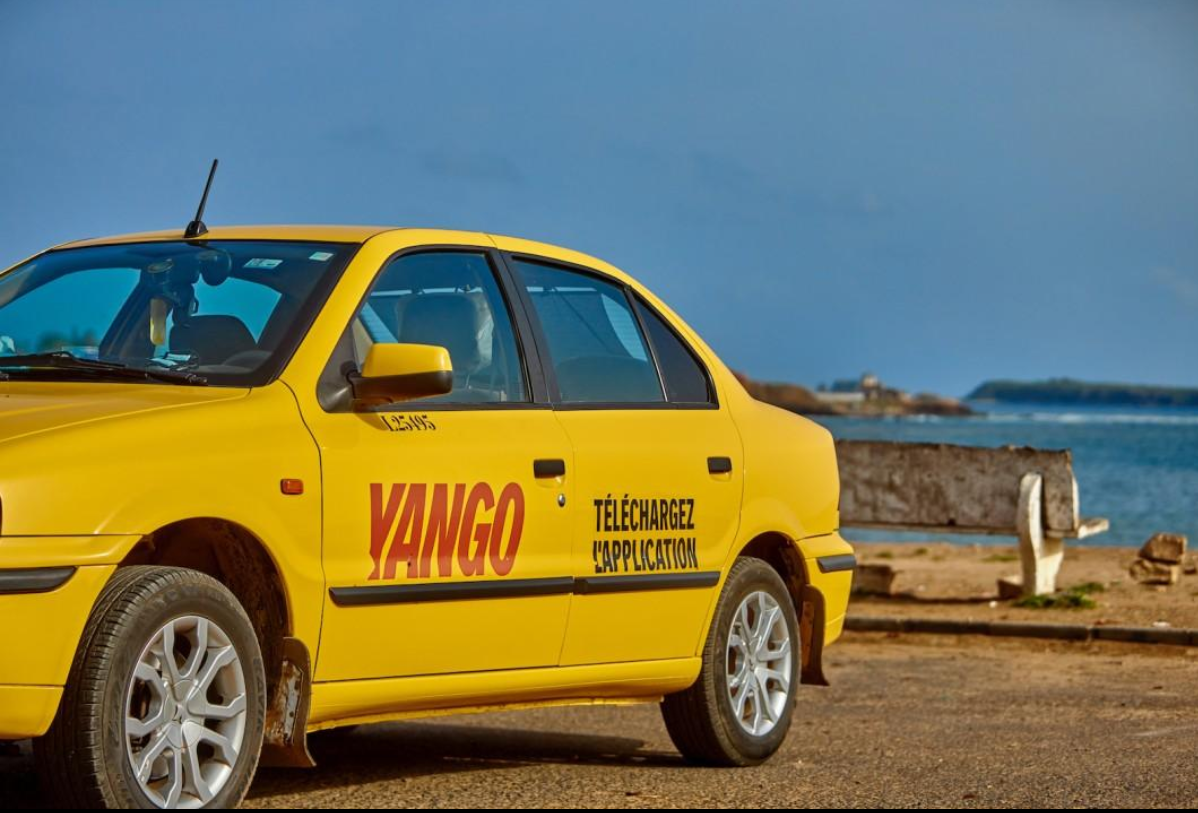

The Senegalese ride-hailing sector is facing an unprecedented reckoning following a series of harrowing accusations against a Yango driver, exposing critical vulnerabilities in safety protocols, regulatory oversight, and platform accountability. This incident is not merely a case of alleged criminal misconduct—but a symptom of deeper structural failures that demand urgent attention.
When convenience meets risk: how a trusted ride turned into a nightmare
Several women have come forward with consistent accounts of a chauffeur operating on the Yango platform who allegedly subjected them to a pattern of violence during rides between Mbour and Dakar. Survivors describe a tactic that began with seemingly normal service but devolved into coercion: door locks engaged, itineraries rerouted under false pretenses, and threats involving a visible weapon. What should have been a routine trip ended in isolation, intimidation, and in some cases, sexual assault.
Beyond physical violence, victims report attempts to access their mobile money accounts—Wave and Orange Money—through coercive means. These testimonies reveal a shocking breach of trust: a platform designed to enhance mobility for women is being weaponized against them.
The blind spot in accountability: why Yango’s response raises more questions than answers
In a public statement, Yango acknowledged the gravity of the accusations and pledged cooperation with judicial authorities. Yet the company’s claim that internal checks found “no matching reservation” has triggered widespread skepticism. How can a driver accused of such serious crimes remain undetected in the system? And if present, why were discrepancies not flagged earlier?
This response underscores a troubling reality: without robust real-time monitoring and transparent audit trails, platforms may lack the mechanisms to identify or prevent misconduct by registered drivers. The absence of incriminating data does not exonerate the system—it reveals its fragility.
From individual failure to systemic flaw: the unchecked risks of Senegal’s VTC sector
The crisis transcends one company or one driver. It exposes systemic gaps: minimal vetting of drivers, inconsistent background checks, and a lack of emergency response tools. In a country where ride-hailing services are increasingly relied upon—especially at night or in underserved areas—these failures have life-altering consequences.
Key questions emerge: Are criminal records verified? Are drivers monitored in real time? What protocols exist when a passenger flags suspicious behavior? Without clear answers, trust erodes—and women face a painful choice: prioritize mobility or personal safety.
Civil society demands action: no more excuses for inaction
Women’s rights organizations, including the coalition WaxJotNa, have condemned the incident and called for comprehensive reform. Their demands are unambiguous: full transparency into the investigation, immediate support for survivors, and stricter regulatory oversight of ride-hailing platforms in Senegal. They argue that private convenience cannot come at the cost of public safety—and that regulatory bodies must enforce accountability across the sector.
The call for stricter controls is not anti-innovation—it is pro-protection. It reflects the growing demand for platforms to be treated as responsible entities, not neutral intermediaries.
Who bears the responsibility when trust is violated?
Legal scholars emphasize that determining liability will hinge on Yango’s contractual obligations, its role as an intermediary, and the extent to which it failed to prevent or respond to foreseeable risks. While premature to assign guilt, the episode forces a reckoning: platforms that profit from connecting drivers and passengers must be held to higher safety standards.
Regulators, courts, and platform operators now face a shared responsibility—to ensure that technology serves people, not endangers them. The outcome of this case will set a precedent not just for Senegal, but for the future of digital transport across Africa.
What comes next: rebuilding trust in a broken system
For the thousands of women who rely on ride-hailing apps daily, this crisis is a turning point. It has exposed the illusion of safety promised by GPS tracking and driver profiles. The question now is not whether change is needed—but how urgently it must be implemented.
Yango’s alleged driver may be the immediate subject of outrage, but the real villain is the system that allowed such abuse to persist. Addressing it will require more than apologies—it demands systemic reform, uncompromising oversight, and an unwavering commitment to justice for the survivors.