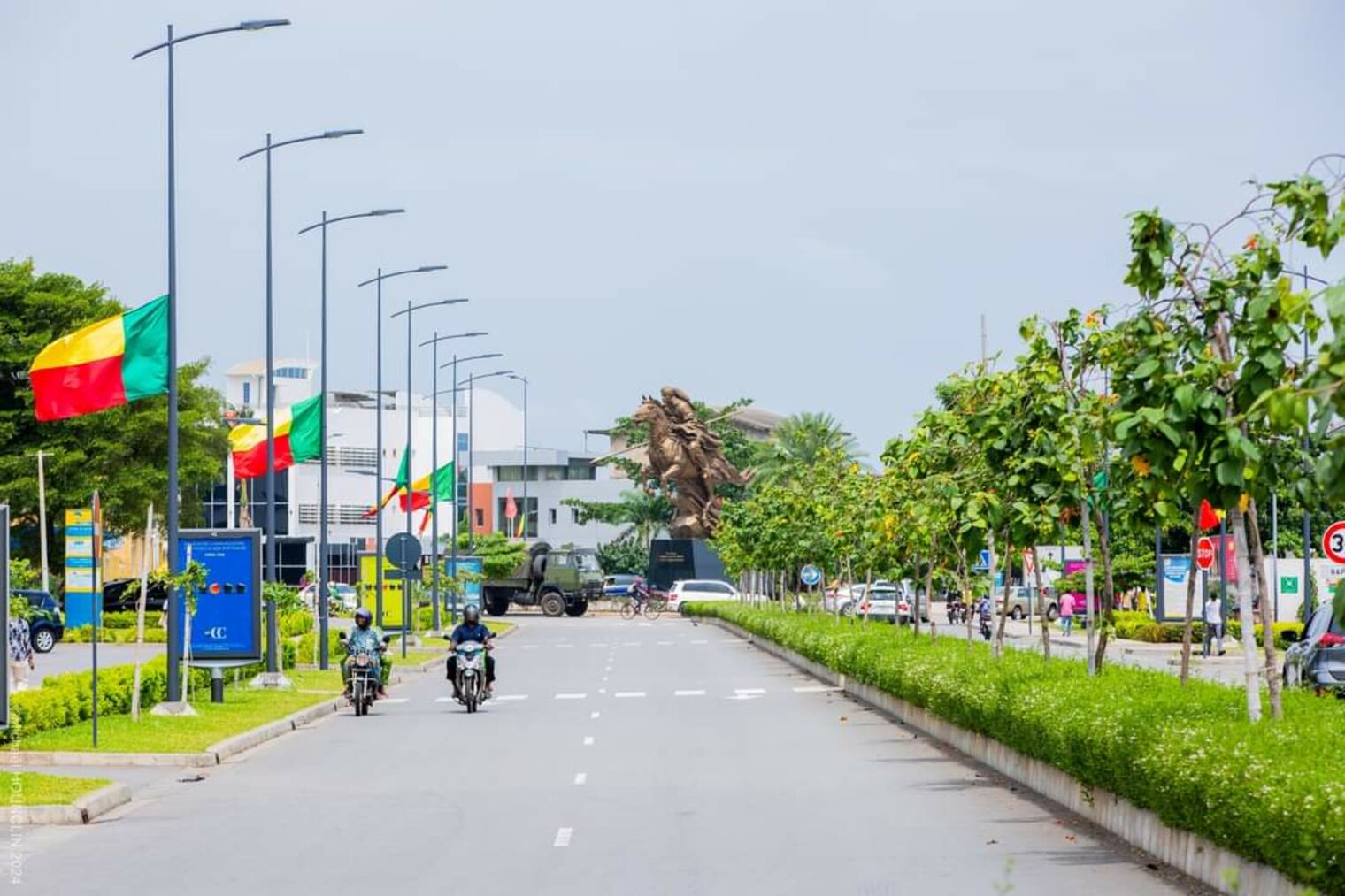

Cotonou has just secured an unprecedented accolade on the African continent. In the 2025 African cleanliness rankings, the Beninese economic hub not only claimed the top spot in West Africa but also clinched the third position across the entire continent. This achievement underscores the city’s remarkable strides in urban sanitation, waste management, and public space maintenance, reflecting a deeper transformation in its urban governance and infrastructure.
From mid-table obscurity to continental prominence
The city’s ascent is particularly striking when compared to its previous performance. In the prior edition of the rankings, Cotonou languished in sixth place. This dramatic leap achieved with a score of 7.6 out of 10 signals a fundamental shift in how both residents and observers perceive the city’s cleanliness and livability. The improvement is not merely statistical; it is a testament to coordinated efforts that have reshaped the urban landscape from the ground up.
This recognition is rooted in a comprehensive survey that gathered 7,877 responses, primarily from permanent residents who provided firsthand assessments of their city’s cleanliness. The results offer a window into public satisfaction with daily living conditions, reinforcing the idea that cleanliness is not just an administrative metric but a lived experience for the population.
The operational backbone of Cotonou’s cleanliness revolution
Behind this achievement lies a meticulously structured operational framework. Over the past year alone, more than 14,000 tonnes of household waste have been collected monthly, a figure that highlights the scale of logistical and human resources deployed. Simultaneously, millions of square meters of streets and public spaces have undergone regular maintenance, demonstrating a commitment to consistency in urban upkeep.
The city’s approach goes beyond sporadic cleanliness drives. It hinges on three critical pillars:
Enhanced waste collection systems: Expansion of collection routes, increased frequency, and community engagement to reduce illegal dumping.
Infrastructure modernization: Investment in waste processing facilities, drainage systems, and public sanitation amenities.
Institutional resilience: Strengthened municipal agencies, better-trained staff, and data-driven decision-making to ensure long-term sustainability.
The psychology of cleanliness: why perception matters
A key insight from the survey is that cleanliness is not merely a function of infrastructure but also of public perception. Residents’ evaluations whether positive or negative directly influence the city’s reputation and, by extension, its economic and social appeal. For Cotonou, the shift from sixth to third place in continental rankings is as much about changing attitudes as it is about physical improvements.
This psychological dimension is critical. A city may boast state-of-the-art waste management systems, yet if residents do not perceive the environment as clean, the investment fails to yield its full potential. Cotonou’s success lies in aligning tangible improvements with public sentiment, creating a virtuous cycle where cleanliness begets civic pride and civic pride reinforces cleanliness.
Sustaining momentum: the road ahead for Cotonou
While the third-place ranking is undeniably a milestone, the work is far from over. The city’s leadership faces two parallel challenges: consolidating existing gains and extending the benefits to every neighborhood. Key priorities include:
Maintaining service consistency: Ensuring that waste collection and public space maintenance remain reliable, especially during peak periods or adverse weather conditions.
Deepening citizen participation: Encouraging community-led initiatives, such as neighborhood cleanliness drives or waste separation programs, to foster collective ownership of urban hygiene.
Scaling innovative solutions: Leveraging technology, such as smart waste bins or real-time monitoring apps, to optimize efficiency and transparency in sanitation services.
The path to sustained cleanliness is iterative. It requires not just resources but adaptability recognizing that urban challenges evolve, and solutions must evolve with them. For Cotonou, this means treating the current ranking not as a finish line but as a foundation for future progress.
A model for African cities?
Cotonou’s rise to prominence offers broader lessons for cities across Africa grappling with similar challenges. Its success demonstrates that cleanliness is achievable through a combination of political will, operational discipline, and public engagement. Yet, it also underscores a critical truth: progress is not static. It demands continuous investment, innovation, and collaboration at every level of governance.
As Cotonou continues to redefine its urban identity, the story unfolding within its borders may well serve as a blueprint for other African metropolises seeking to balance growth with livability. The third-place ranking is not merely an accolade; it is an invitation to reimagine what a clean, functional, and inclusive city can look like in the 21st century.
By Moussa Samuel Coulibaly — Journalist