Chad’s opposition struggles against mahamat idriss déby itno’s regime

Chad’s political landscape under increasing pressure
Since Mahamat Idriss Déby Itno assumed power in Chad following his father’s passing, the nation has witnessed a tightening grip on governance. Opposition figures and civil society groups find themselves navigating a landscape marked by repression and deepening internal divisions. The once-vibrant political arena has grown noticeably quieter, with dissenting voices facing mounting challenges.
Fragmented opposition struggles for visibility
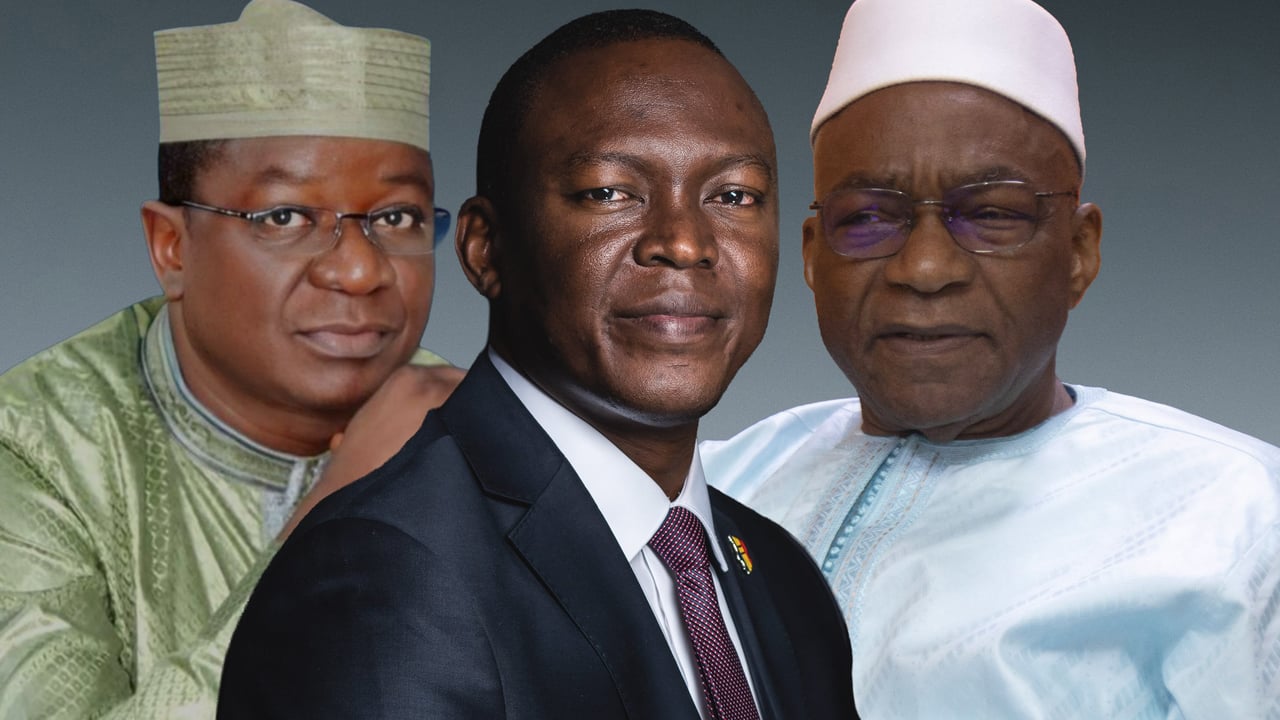
The opposition in Chad today is a fragmented coalition of individuals and parties, each grappling with their own strategies and limitations. While some leaders, such as Albert Pahimi Padacké and Saleh Kebzabo, command respect from certain segments of the population, their collective influence remains constrained by relentless pressure from the transitional authorities.
Succès Masra, one of the most prominent figures, has emerged as a vocal critic of the regime. However, his ability to mobilize support has been repeatedly undermined by restrictions on public gatherings and a pervasive climate of fear. The opposition’s inability to present a united front has further diluted its potential impact.
Repression as a tool of control
Reports from across Chad paint a consistent picture: activists, journalists, and political opponents face intimidation, arbitrary arrests, and legal harassment. The transitional government has deployed a range of tactics to suppress dissent, including the use of security forces to disperse protests and the imposition of restrictive laws under the guise of maintaining order.
The crackdown extends beyond traditional opposition figures. Civil society organizations, student movements, and even religious leaders have encountered obstacles in their efforts to operate freely. This systematic approach to silencing dissent underscores the regime’s determination to consolidate power without meaningful opposition.
Internal divisions and shifting alliances
Within the opposition, disagreements over tactics and priorities have only intensified. Some factions advocate for dialogue with the transitional authorities, hoping to secure incremental concessions. Others insist on a more confrontational stance, demanding immediate political reforms and a return to democratic governance. These divides have weakened the opposition’s ability to challenge the status quo effectively.
Meanwhile, the transitional government has skillfully exploited these divisions, offering selective engagement to splinter groups while isolating the most vocal critics. This strategy has further fragmented the opposition, leaving many of its members disillusioned and uncertain about the future.
Looking ahead: a path to reconciliation?
The road ahead for Chad’s opposition is fraught with challenges. The transitional government’s firm control over state institutions, security forces, and media outlets presents a formidable barrier to any meaningful political transformation. Yet, the resilience of civil society and the determination of opposition leaders suggest that the struggle for democracy is far from over.
For now, the opposition remains in a precarious position, caught between the regime’s unyielding repression and its own internal fractures. Whether it can regroup and mount a credible challenge to Mahamat Idriss Déby Itno’s authority will depend on its ability to overcome these obstacles and unite under a shared vision for Chad’s future.