

For twelve months, Chad’s political landscape has been shaped by two defining narratives: the imprisonment of opposition leader Succès Masra and the covert negotiations unfolding behind closed doors between his legal team and the transitional authorities under Mahamat Idriss Déby Itno.
This high-stakes interplay has not only tested the resilience of Chad’s fragile democracy but has also sent ripples through the diaspora communities, particularly in Europe, where activists continue to rally for Masra’s freedom.
From detention to dialogue: the turning point
The journey began in the aftermath of last year’s contested elections, when Succès Masra, leader of the Transformers party, found himself at the center of a political storm. Accused of inciting unrest, he was swiftly arrested and held without trial, a move that sparked international condemnation and domestic unrest.
Yet, behind the scenes, a different narrative was taking shape. As protests erupted across N’Djamena and solidarity marches echoed in cities like Paris, London, and Brussels, whispers of backchannel negotiations emerged. Sources close to the process reveal that both sides—Masra’s legal representatives and the transitional government—have engaged in discreet discussions aimed at finding a resolution.
What’s driving the secret talks?
Several factors have pushed these negotiations into the spotlight. First, the mounting pressure from international observers demanding transparency in Chad’s political transition. Second, the economic strain on the country, exacerbated by sanctions and reduced foreign aid, has forced both parties to reconsider their positions.
For Succès Masra, the stakes couldn’t be higher. His continued detention has become a symbol of the broader struggle for democratic freedoms in Chad. Meanwhile, Mahamat Idriss Déby Itno faces the dual challenge of maintaining stability while addressing growing demands for accountability and reform.
Key players and their roles
The negotiations are reportedly mediated by a mix of regional mediators, religious leaders, and former political figures who share a vested interest in Chad’s stability. Among them are prominent figures from the African Union and Economic Community of Central African States (ECCAS), who have quietly facilitated discussions to de-escalate tensions.
The opposition camp, represented by Masra’s legal team, has pushed for unconditional release and the restoration of his political rights. On the other hand, the transitional government has signaled a willingness to explore conditional solutions, including potential exile or limited political participation under strict oversight.
Public sentiment and the diaspora’s voice
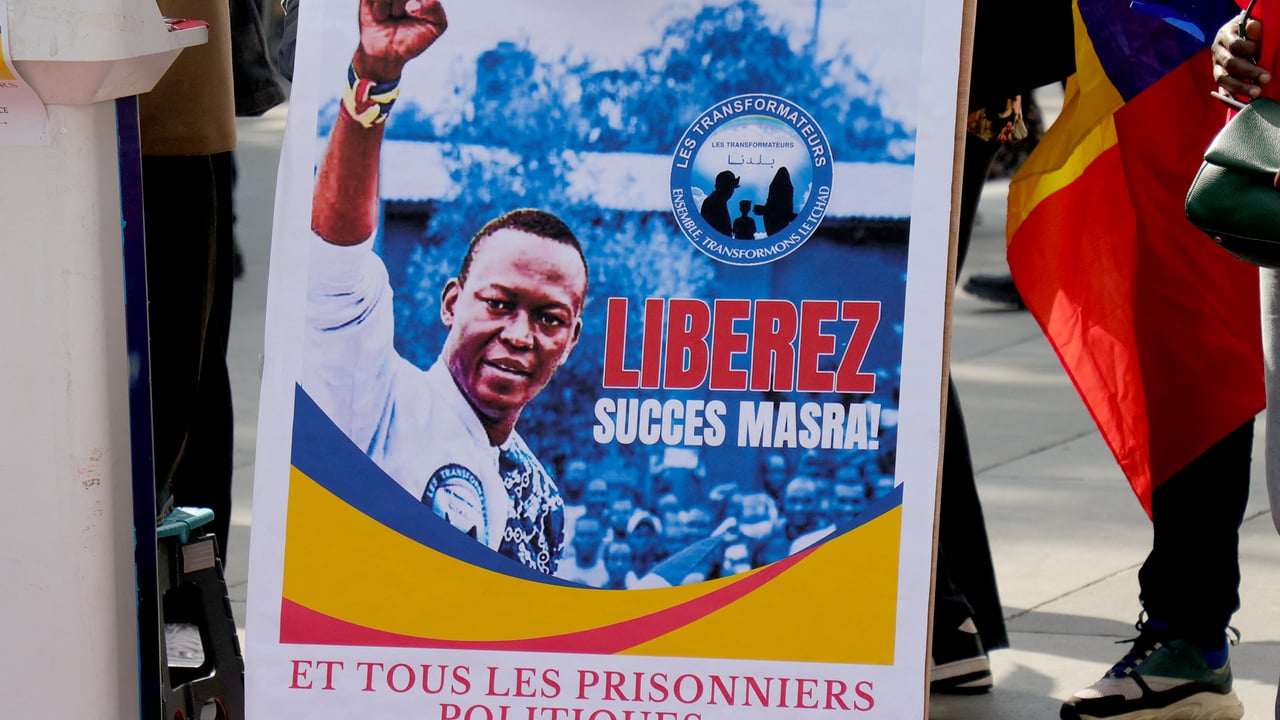
The plight of Succès Masra has galvanized the Chadian diaspora, with protests erupting in major European cities. In Paris, where a significant Chadian community resides, activists have organized weekly demonstrations, projecting images of Masra onto iconic landmarks and flooding social media with calls for his freedom.
These protests are not merely symbolic. They reflect a growing frustration with the lack of progress in the negotiations and the perceived inaction of international bodies. For many in the diaspora, Masra’s detention is a reminder of the authoritarian tendencies that have long plagued Chad’s political landscape.
What happens next?
As the one-year mark of Succès Masra’s imprisonment approaches, the pressure on both sides is intensifying. The transitional government faces a critical juncture: either escalate the crackdown, risking further isolation, or pursue a negotiated settlement that could pave the way for a more inclusive political transition.
For Masra’s supporters, the coming weeks will be decisive. A failure to secure his release could spell a prolonged period of instability, while a breakthrough might offer a glimmer of hope for Chad’s democratic future.
The outcome of these secret talks will not only determine Succès Masra’s fate but could also redefine Chad’s political trajectory in the months ahead.