Controversial arrest of imam mohamad ishaq kindo in Ouagadougou
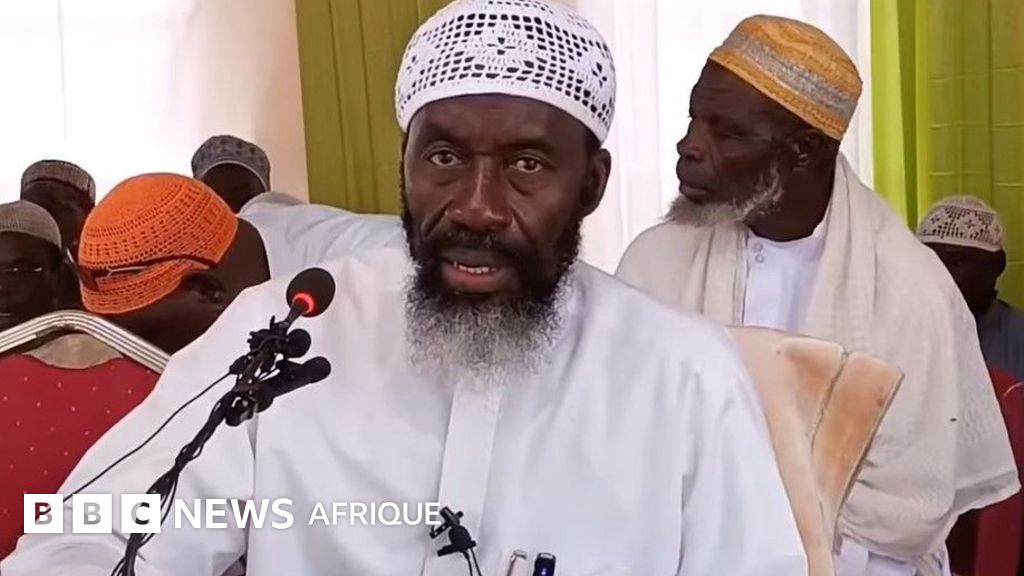
The arrest of prominent Sunni imam Mohamad Ishaq Kindo, a leading religious figure in Burkina Faso, has sent shockwaves through the country. The influential cleric was detained in Ouagadougou on May 26 by a heavily armed security detail and taken to an undisclosed location, just two days after publicly criticizing the newly adopted religious freedoms law.
what we know about the arrest
The Federation of Islamic Associations of Burkina Faso (FAIB), of which Kindo serves as president of the Sunni Ulemas, confirmed the arrest in a statement released shortly after the incident. According to the organization, the cleric was taken into custody “under unclear circumstances” that remain officially unexplained.
The FAIB has since launched formal inquiries with relevant authorities to obtain precise information about Kindo’s whereabouts and the charges against him, while calling for his swift release.
violent intervention during arrest
Eyewitnesses described the operation as forceful and intimidating. Mohamad Ishaq Kindo was reportedly apprehended around 2:00 PM local time—just one day before the major Muslim holiday of Eid al-Adha—by masked security personnel including police officers and soldiers.
“The arrest was carried out aggressively,” recounted a close associate. “Fellow worshippers attempted to intervene, leading to a tense confrontation that resulted in several injuries among the faithful.”
Another witness confirmed that “some Muslims were hurt during the scuffle.” The timing of the arrest, so close to a sacred religious observance, has amplified local anger and concern.
public criticism of new religious law
Two days prior to his detention, Kindo released a widely circulated video sermon in which he strongly opposed the new religious freedoms law passed by the government on March 19. In the recording, he urged authorities to “reconsider the consequences of their actions” and warned against restricting religious practices, declaring: “No leader, no strongman, has the power to stop prayer in public spaces.”
The controversial law aims to regulate religious freedoms in Burkina Faso, responding to growing concerns over online hate speech, radicalization, and violent extremism. It prohibits the construction of new places of worship within government buildings—with exceptions for health facilities, prisons, and military barracks—citing the state’s commitment to secular governance and equal treatment of all faiths.
Government officials insist the law is not new but an update to address rising extremism and online incitement. Mariem Sanogo, Director General of Religious, Customary, and Traditional Affairs, emphasized that the law seeks to curb hate speech and maintain national cohesion.
spontaneous protests erupt in Ouagadougou
Within hours of the imam’s arrest, hundreds of supporters gathered in central Ouagadougou to demand his immediate release. The peaceful demonstration was met with tear gas dispersal, according to witnesses who spoke on condition of anonymity.
The FAIB issued a statement urging calm, calling for restraint and serenity among the Muslim community during this uncertain time.
no official response as of yet
Since the arrest, no government agency has issued a formal statement regarding Mohamad Ishaq Kindo’s detention. On the day following the incident—coinciding with Eid al-Adha—President Ibrahim Traoré addressed the nation via social media. He praised security forces for their ongoing fight against jihadist groups but warned potential adversaries against attempting to destabilize the country.
“Any attempt to disrupt our national momentum will be met with full accountability,” the president stated, though he made no reference to Kindo or the religious law controversy.
military rule and growing dissent
Since seizing power in 2022, the military government under Captain Ibrahim Traoré has intensified efforts to combat Islamist insurgencies across Burkina Faso. While authorities defend their crackdown as necessary for national security, critics argue it has also stifled dissent and restricted civil liberties.
The arrest of Mohamad Ishaq Kindo—a respected religious leader known for his outspoken views—has intensified concerns about shrinking space for free expression and religious practice in the country.