Controversial arrest of sunni imam mohamad kindo in Ouagadougou
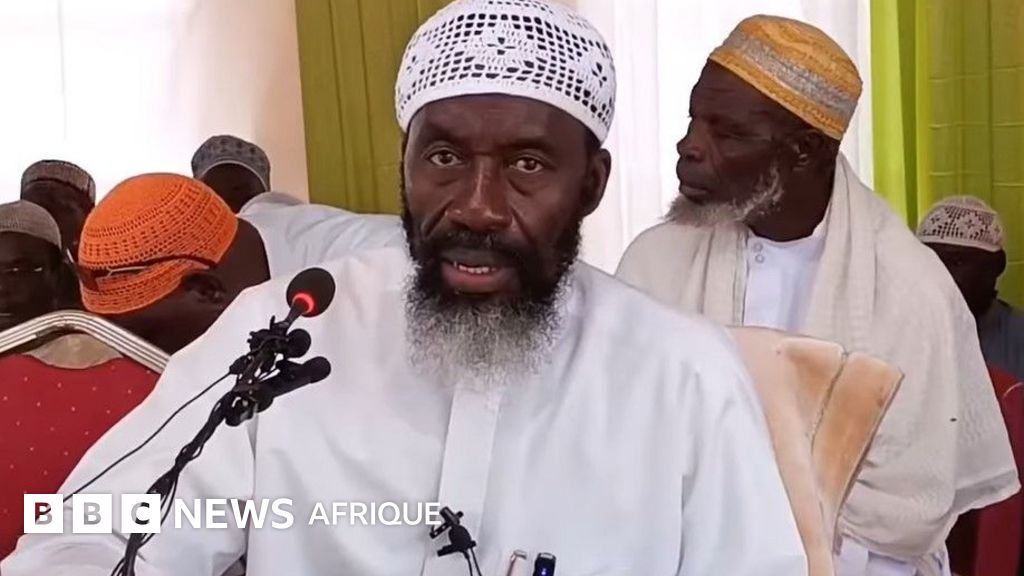
The capital of Burkina Faso, Ouagadougou, is abuzz with reactions following the high-profile detention of influential Sunni Imam Mohamad Kindo. The cleric was taken into custody on Tuesday, May 26, by masked security operatives—comprising both police and military personnel—who arrived at an undisclosed location shortly after midday local time.
A close associate of the imam, present during the arrest, described the operation as forceful. The intervention triggered immediate resistance from bystanders and worshippers, resulting in clashes that left several civilians injured. The timing—just one day before the Eid al-Adha celebrations—added tension to the already charged atmosphere.
religious freedom law sparks backlash
The arrest comes amid growing tensions over a recently adopted law regulating religious freedoms in Burkina Faso. Imam Kindo, who also serves as president of the National Union of Sunni Scholars, had publicly criticized the legislation—passed by the council of ministers on March 19—just two days prior to his detention. In a widely circulated recording, he questioned the motives behind the law and urged authorities to reflect on the consequences of their decisions.
In a statement released shortly after the arrest, the Federation of Islamic Associations of Burkina Faso (FAIB) confirmed the cleric’s detention but noted that no official explanation had been provided regarding the circumstances or reasons behind the operation. The organization vowed to pursue all available channels to obtain clarity and ensure a fair process.
protests erupt in Ouagadougou
Within hours of the imam’s detention, hundreds of demonstrators gathered in central Ouagadougou, demanding his immediate release. The protest, though initially peaceful, escalated when security forces deployed tear gas to disperse the crowd. The FAIB promptly called on the Muslim community to remain calm and avoid further escalation.
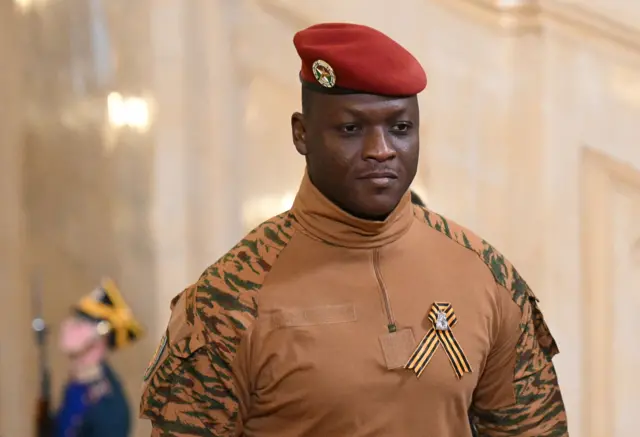
By the following day, as the country observed Eid al-Adha, tensions had eased, though public attention remained fixed on the unfolding case. President Ibrahim Traoré, in a post-holiday address, praised the security forces for their ongoing fight against jihadist groups. He warned opponents of the regime against undermining national stability, stressing that any attempt to destabilize the country would have severe consequences.
what does the controversial law entail?
The law in question, adopted in March, aims to regulate religious practices to curb online hate speech, radicalization, and extremist violence. It prohibits the construction of religious buildings within public institutions—excluding healthcare facilities, prisons, and military barracks—citing the impracticality of accommodating all faiths equally. Authorities emphasize that public prayer remains permitted, provided it respects the beliefs of others.
Defenders of the law argue it is a necessary measure to strengthen national cohesion in the face of rising extremism. Critics, however, view it as an overreach that stifles religious expression. Since the 2022 military takeover led by Captain Ibrahim Traoré, Burkina Faso has seen a series of detentions and disappearances of vocal regime opponents, justified by the government’s ongoing fight against jihadist insurgencies across the country.
key takeaways
- The arrest of Sunni Imam Mohamad Kindo has ignited protests and debates over religious freedoms in Burkina Faso.
- The controversial law, adopted in March, seeks to regulate religious practices and curb online extremism.
- No official explanation has been provided for Kindo’s detention, prompting calls for transparency from the FAIB.
- President Traoré has warned against destabilizing actions, underscoring the regime’s hardline stance.