European union shifts blame to disinformation in ceuta migration surge
European Union shifts focus to disinformation amid Ceuta migration surge
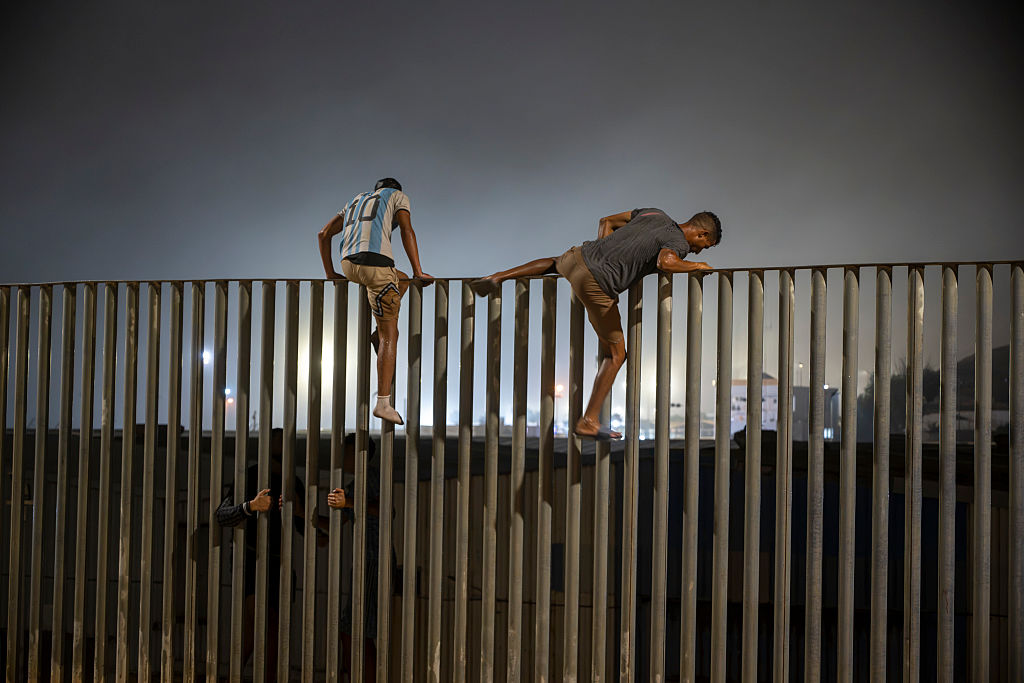
Madrid has urged European allies to refrain from publicly criticizing Morocco over its role in the sudden influx of migrants into Ceuta, a Spanish enclave in North Africa. The request was made during an emergency online meeting of EU interior ministers, where the rapid crossing of over 72,000 people in a short period raised concerns.
The Spanish government’s stance highlights the delicate balance Brussels must maintain with Rabat—a key partner in managing migration flows into Europe. Morocco also plays a crucial role in counterterrorism efforts and intelligence-sharing with the EU, reinforcing its strategic importance.
Diplomatic caution over migrant crisis
During a press briefing, Fernando Grande-Marlaska, Spain’s Interior Minister, emphasized that assigning blame may not be constructive. “There isn’t necessarily anyone to hold accountable,” he stated, avoiding direct criticism of Morocco despite subtle hints from the Defense Minister. A Western government source suggested that Rabat may have tacitly permitted the influx as a political signal to Madrid.
The situation was further complicated by misleading social media claims about a Spanish Supreme Court ruling allegedly barring immediate forced returns of irregular migrants arriving by sea at Ceuta and Melilla. This misinformation, amplified by Russian-linked disinformation networks, intensified the crisis.
EU response pivots to misinformation
Rather than directly confronting Morocco, European leaders have redirected attention toward the role of smugglers and the spread of false narratives online. Ursula von der Leyen, President of the European Commission, reiterated the EU’s stance that migrants must not be used as political leverage—without naming Morocco. She also hinted at increased financial support for Rabat as part of deeper EU-Morocco cooperation.
Magnus Brunner, EU Commissioner for Migration, announced that Europol is investigating potential disinformation campaigns tied to the crisis. EU ambassadors and ministers discussed the need for enhanced intelligence-sharing to counter false narratives. The European External Action Service is probing whether Russian actors exploited the event for political gain on social media.
Frontex, the EU’s border agency, is considering expanded powers to monitor disinformation on social platforms as part of an upcoming policy review.
Morocco points to digital manipulation
Rabat has accused digital space exploitation of creating the false impression that entering Europe via Ceuta carries no legal consequences. The Moroccan Interior Ministry spokesperson, Rachid Khalfi, also blamed a Spanish court ruling for sparking speculation, arguing that Madrid should have anticipated the fallout.
While no independent investigation has confirmed a coordinated campaign before the recent events, the EU’s pivot toward disinformation reflects a broader shift in addressing migration challenges.