
Gabon’s youth and culture minister achieves 62% project completion in first 100 days
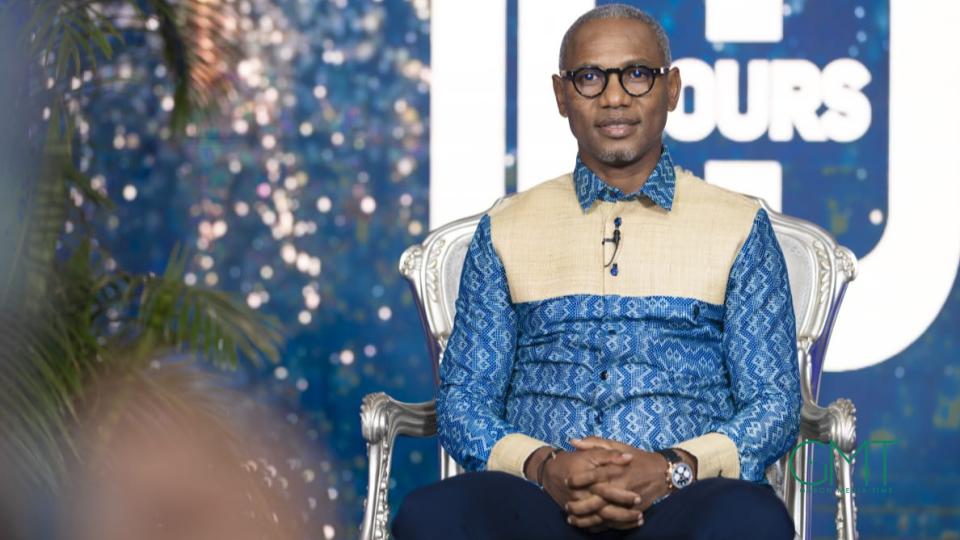
During a live appearance on Gabon’s national broadcaster to present his first 100-day performance review, Minister of Youth, Sports, Cultural Outreach, and Arts Paul Kessany delivered a transparent assessment of his department’s progress. Appointed in early 2026, Kessany highlighted that 62.3% of the 53 flagship projects under his supervision have been fully executed, while an additional 24.5% have surpassed the halfway mark.
As the government advances its vision for a revitalized Gabon, Kessany has emerged as a key figure driving tangible change. His tenure began with a clear mandate: strengthen national institutions and deliver measurable results. One of his first initiatives was establishing a normalization committee within the National Youth Council (CNJG), a move that set the tone for broader reforms across multiple sectors.
Revitalizing Gabon’s sports and cultural landscape
In the realm of sports, Kessany’s administration wasted no time in addressing long-standing challenges. A comprehensive audit led to the formal recognition of 13 Olympic federations, marking a critical step toward cleaning up the country’s sports governance. Infrastructure projects are also underway, with a commitment to restore the national football team, the Panthères, to competitive form within two years.
The cultural sector has seen equally impressive strides. Legislative reforms have modernized the Gabonese Copyright Office (BUGADA), including the swearing-in of 21 new agents to enforce intellectual property rights. Meanwhile, 2,250 works have been digitized to preserve the nation’s artistic heritage. A landmark decree signed in May 2026 now regulates the commercial use of Iboga, balancing cultural preservation with economic opportunities.
Kessany’s leadership extended beyond domestic policy during the FEMUA 18 summit in Abidjan, where Gabon’s delegation showcased the country’s vibrant cultural diplomacy. His ability to navigate both administrative and diplomatic fronts underscores his strategic approach to governance.