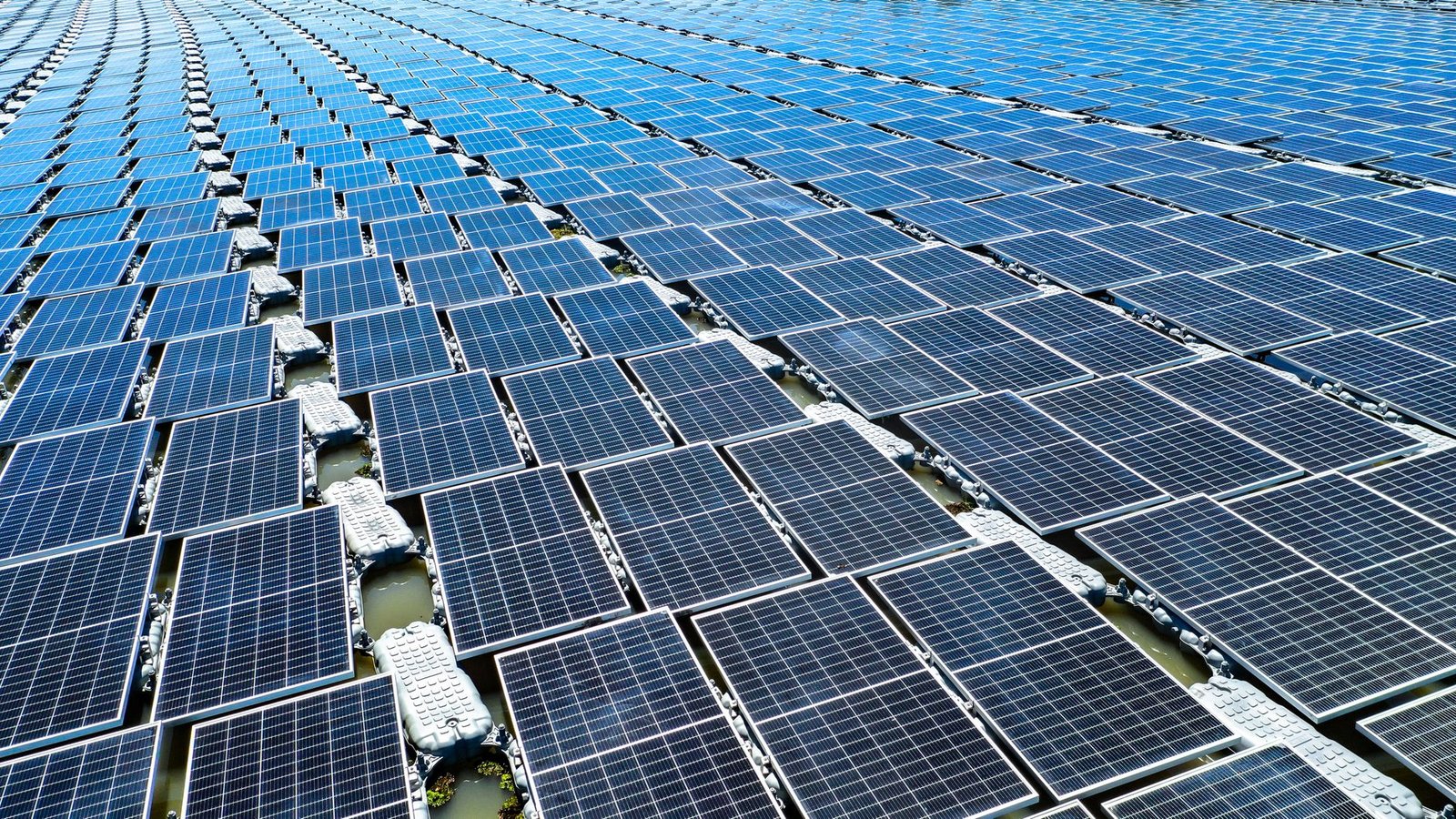

Karpowership, the Turkish leader in floating power plants, is now a cornerstone of Gabon‘s energy strategy. Country director Evans Damada reports that the two powerships anchored off Libreville and Port-Gentil are delivering 150 megawatts to the national grid—covering nearly 25% of Gabon’s current electricity capacity. This outsized contribution from a foreign private operator highlights both the fragility of Gabon’s power infrastructure and the urgent need for rapid, scalable solutions.
Rapid deployment solves Gabon’s immediate power shortage
Karpowership’s rise in Gabon’s energy mix happened in a matter of months. The operator expanded its presence in response to widespread blackouts affecting homes and industries alike. This agility is the hallmark of Turkish powerships, which can be towed between countries and connected to grids within weeks—whereas a land-based plant typically requires years of construction. Gabon now joins a growing roster of African clients, including Ivory Coast, Senegal, Guinea-Bissau, Sierra Leone, Gambia, and Mozambique. The business model relies on multi-year power purchase agreements, often dollar-denominated, with pricing tied to kilowatt-hour output. While efficient in emergencies, the model has sparked financial debates in several capitals due to its exposure to volatile hydrocarbon markets.
Floating plants provide short-term relief amid long-term energy challenges
For Gabon’s authorities, the 150 MW infusion is a critical lifeline. The Société d’énergie et d’eau du Gabon (SEEG) has long struggled to meet rising demand driven by urban growth, special economic zones, and revived mining projects. With electricity production reliant on a mix of hydropower, natural gas, and fuel oil—and aging infrastructure—Gabon’s energy margins have dwindled. Yet this reliance on a single supplier raises concerns. Controlling 25% of available capacity gives Karpowership significant leverage, especially as Gabon seeks to exploit domestic gas reserves and strengthen energy sovereignty. The transitional government, prioritizing infrastructure revival since August 2023, must now balance immediate needs with a sustainable long-term vision.
From temporary fix to sustainable transition
Evans Damada frames Karpowership’s role as a bridging solution until new domestic capacity comes online. Gabon has several projects in the pipeline, including the Kinguélé Aval dam, developed by Meridiam and Gabon Power Company, as well as offshore gas-powered plants. Once operational, these facilities should gradually reduce the share of powerships in the energy mix. In the meantime, the Turkish fleet remains central to daily operations, supplying base-load power to Libreville and the industrial corridor in the Estuary region. Maintenance, handled by mixed Turkish-Gabonese teams, includes a modest but growing training program—though authorities expect far greater knowledge transfer over time.
The immediate question is no longer whether Gabon can phase out Karpowership, but how it will renegotiate terms. Upcoming challenges include tariff discussions, contract durations, and integrating domestic gas into the power mix. For now, the Turkish operator appears committed to remaining a long-term partner in Gabon’s energy sector.