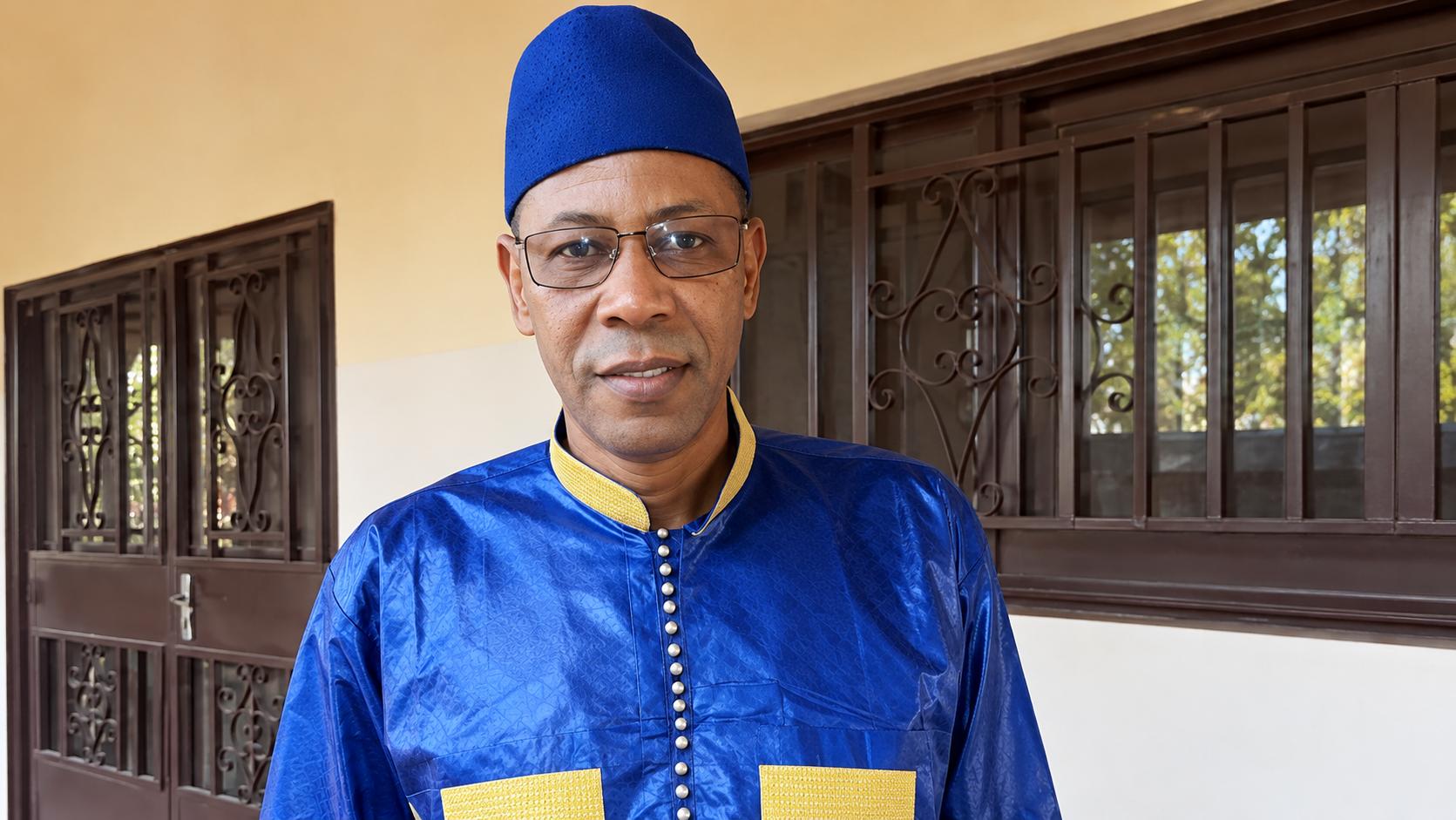

The prosecution of journalist Abdrahamane Keïta before the Special Judicial Unit for Combating Cybercrime marks a severe escalation in the military government’s crackdown on independent media in Mali. His offense was simply reporting objectively on the declining security situation in Kidal and documenting the challenges faced by national forces.
Instead of addressing public concerns over northern instability, the military administration in Bamako has weaponized the judicial system against independent observers. By exploiting cybercrime legislation, the government aims to muzzle critical discussion surrounding its security strategy.
A pattern of silencing dissenting voices
The legal action against Abdrahamane Keïta is part of an expanding campaign to silence anyone questioning the state narrative:
- In Mali, commentator Mohamed Youssouf Bathily, known as Ras Bath, remains behind bars for his commentary. Academic Étienne Fakaba Sissoko is serving a prison sentence after publishing a book that exposed state propaganda. Activist Rokia Doumbia was jailed for speaking out against inflation and governance failures, while Clément Dembélé has endured arbitrary detention and temporary disappearance.
- In neighboring Sahel nations, similar tactics have emerged. In Burkina Faso, journalists and commentators including Serge Oulon, Alain Traoré, and Kalifara Séré have been abducted or forcibly drafted into military service after questioning the war strategy. In Niger, veteran reporter Moussa Kaka faces ongoing intimidation and arrest.
Truth treated as a national security threat
This relentless targeting reveals a clear strategy: authorities routinely label independent analysis as an attempt to demoralize troops or undermine national security. As security conditions worsen, the transition government rejects all criticism and effectively bans investigative journalism.
An atmosphere of fear for media
This latest prosecution deepens a climate of fear designed to eliminate public debate. Through frequent summons, targeted arrests, and media suspensions, those who refuse to serve as government propagandists face severe consequences. By targeting a journalist for reporting the ground reality in Kidal, the administration reveals its vulnerability and determination to block information flow.