
From three weeks of paralysis to a delayed state response
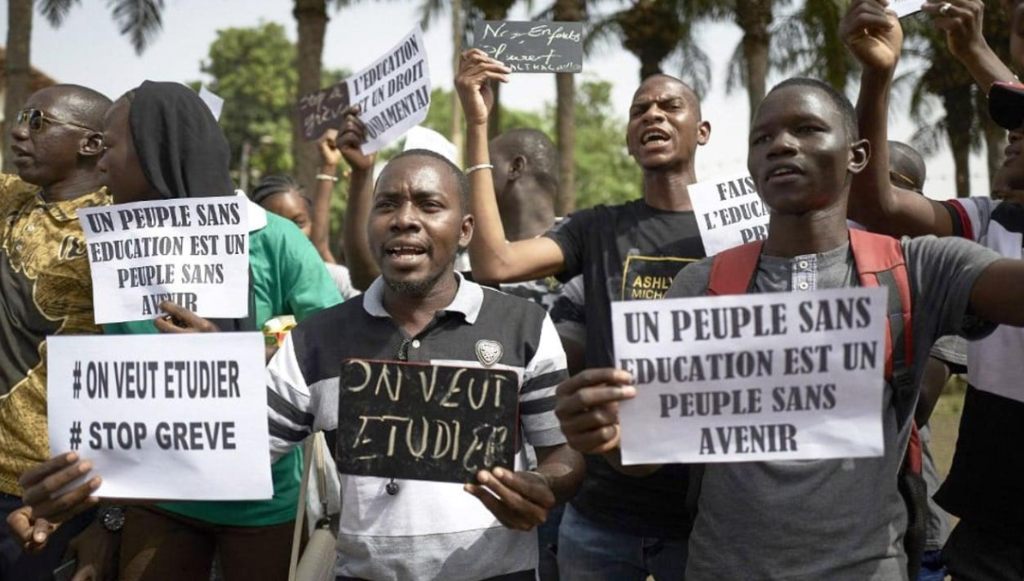
The stand-off between Mali’s university lecturers and the transitional government has taken a decisive turn after three weeks of uninterrupted strikes. The National Union of Higher Education and Scientific Research (SNESUP) has announced a landmark meeting with the country’s top leadership, marking the first direct engagement from the authorities since the movement began. But will this belated response be enough to end the crisis?
The transitional government’s prolonged silence began on October 26, when lecturers initiated a strike demanding the implementation of a long-overdue research bonus. Despite the decree signed in 2017, which formally established the bonus, no concrete action had been taken to enforce the regulation—until now.
What lies behind the decade-long delay in paying the research bonus
The core of the dispute revolves around a presidential decree issued in 2017, decree n° 2017-0850/P-RM, which was supposed to provide financial support for academics engaged in research. Nearly ten years after its adoption, the bonus remains unpaid, fueling frustration within the academic community.
The SNESUP is not only demanding immediate payment but also clear guidelines on how the bonus will be calculated, disbursed, and adjusted for outstanding arrears. For lecturers, this is less about introducing new benefits and more about enforcing existing legal provisions.
The union argues that the bonus is essential to sustaining research activities, including publications, fieldwork, and knowledge production. The absence of this financial support has left many academics feeling sidelined by the state, despite their role in advancing higher education.
The first signs of state intervention—and why they haven’t calmed the strike
On November 15, the SNESUP released a statement confirming that its national executive committee had met with Mali’s highest authorities over the previous two days. The move signals a shift in the government’s approach, moving from inaction to direct dialogue. However, the specifics of the discussions remain undisclosed, and the union has yet to endorse any formal commitments from the authorities.
Critically, the meeting did not result in a suspension of the strike. The SNESUP reiterated its call for continued mobilization, meaning that despite the government’s engagement, the paralysis in universities persists. Students, now in their fourth week of disrupted classes, continue to bear the brunt of the crisis.
A failing mediation attempt and the weight on students’ academic futures
Before the authorities stepped in, a mediation effort led by community leaders, religious figures, and local representatives had already failed to resolve the dispute. The November 7 meeting with the SNESUP failed to secure a halt to the strike, leaving the deadlock unresolved.Now, with the government finally involved, the stakes are higher. If no resolution is reached, the academic year risks further delays, exams may be postponed, and thousands of students could face prolonged uncertainty about their progress.
From dialogue to action: can the government deliver what lecturers demand?
While the authorities’ engagement offers a glimmer of hope, the SNESUP insists on consulting its members before making any decisions. The union’s next steps will depend on whether the government’s proposals meet their expectations regarding the bonus and its implementation.
For now, the strike remains active, and the conflict shows no signs of waning. After nearly a decade of unfulfilled promises, lecturers are no longer asking for dialogue alone—they demand action. The transitional government now faces a critical test: turning this first step into tangible results before the paralysis in Mali’s universities deepens further.