
Behind the maneuvers: what’s really pushing China’s naval expansion near Taiwan
China’s recent military operations near Taiwan weren’t just another round of routine drills—they were a carefully orchestrated display of strategic intent. According to intelligence shared by Taiwanese security officials, Beijing mobilized over 100 naval and coast guard vessels in early November, conducting large-scale exercises in the Western Pacific and the South China Sea. What makes this deployment unusual isn’t just its scale, but the deliberate lack of official announcement, a tactic some analysts describe as coercive ambiguity—a way to exert pressure without triggering direct confrontation.
Why these exercises go beyond standard military posturing
The scale and coordination of the operation suggest ambitions far beyond typical naval training. Taiwanese sources indicate that the maneuvers included simulations of strikes against both Taiwanese and foreign military targets, as well as critical infrastructure along the island’s coastline. The involvement of multiple naval fleets—including the aircraft carrier Liaoning’s strike group—points to a high level of operational integration across China’s Eastern, Northern, and Southern Theater Commands.
Key objectives likely tested during these exercises include:
- Naval encirclement tactics to restrict maritime access to Taiwan
- Control over key shipping lanes in the Western Pacific
- Disruption of adversary supply lines and communication networks
- Rapid deployment of forces to counter external intervention
Such capabilities, if fully realized, could enable Beijing to enforce a gradual blockade of Taiwan without immediately resorting to open conflict—a strategy that complicates defensive planning for Taipei and its allies.
The submarine missile test: a nuclear dimension to China’s naval strategy
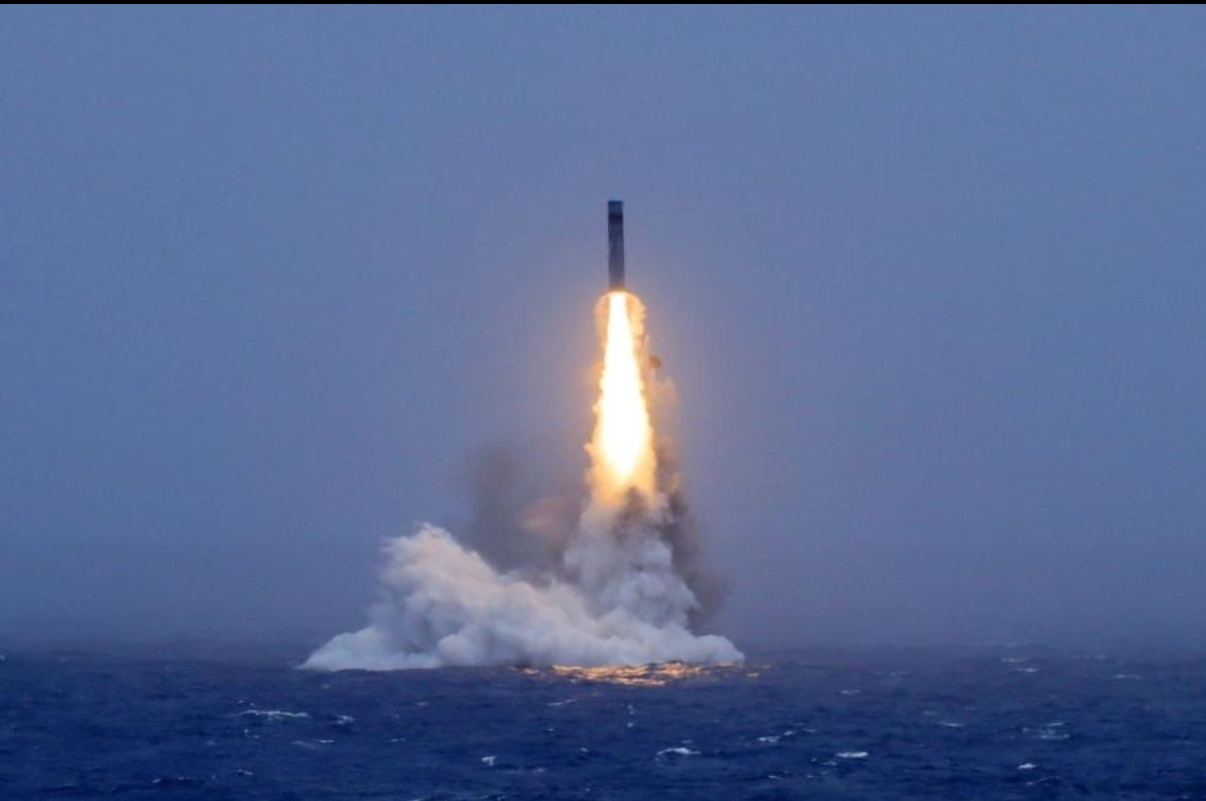
While the bulk of the exercises involved surface vessels, a separate but equally significant development has raised eyebrows. A Taiwanese security official claims that a Chinese submarine launched a ballistic missile in the Yellow Sea during the drills. If confirmed, this would mark one of the first public indications that Beijing is integrating its nuclear-capable submarine fleet into regional power projection.
Ballistic missile submarines (SSBNs) are a cornerstone of nuclear deterrence due to their stealth and survivability. A confirmed test would signal that China is prioritizing undersea strategic deterrence as part of its broader military modernization. However, without independent verification, the claim remains unverified—leaving room for both strategic signaling and potential miscalculation.
The psychology of silent intimidation: why Beijing avoids official announcements
China’s decision to conduct these exercises without prior notice wasn’t an oversight—it was a calculated move. Taiwanese analysts describe this approach as “shadow coercion”: a strategy where the threat is felt but not openly declared. By operating below the radar of formal military transparency, Beijing forces adversaries to constantly second-guess its intentions while avoiding the diplomatic fallout that would accompany an overt mobilization.
This tactic serves multiple purposes:
- It tests the reaction times and coordination of regional militaries
- It gauges the threshold of international tolerance for Chinese assertiveness
- It keeps Taipei and its partners in a state of persistent uncertainty
Timing and geopolitical ripple effects: what’s really at stake
The timing of these maneuvers—just days before the APEC summit in Shenzhen—has fueled speculation about Beijing’s broader intentions. While no direct link has been confirmed, the proximity raises questions about whether the exercises were designed to influence diplomatic dynamics during a high-stakes international gathering.
The strategic implications extend far beyond the Taiwan Strait. Japan, situated at the heart of the First Island Chain, faces heightened exposure to any escalation. A prolonged naval standoff could disrupt critical shipping routes, threaten energy supplies, and complicate U.S. naval operations in the region. Meanwhile, Washington’s concerns center on the potential for a de facto exclusion zone—a denial-of-access strategy that would hinder rapid American intervention in a crisis.
Global reactions: from G7 warnings to regional unease
The international community has not remained silent. On November 11, foreign ministers from the G7 issued a joint statement expressing deep concern over Chinese military activity east of Taiwan. Their communiqué highlighted risks to regional stability, maritime freedom, and global trade—echoing long-standing anxieties about Beijing’s growing naval assertiveness.
Yet diplomatic statements alone may not be enough to curb China’s trajectory. The question now is whether the world’s major powers can develop a cohesive response to an approach that blends military pressure with strategic ambiguity—a blend that challenges traditional deterrence frameworks.
Taiwan’s dilemma: preparing for a new era of gray-zone warfare
For Taipei, the challenge is no longer hypothetical. The combination of massed naval deployments, simulated strikes, and suspected nuclear-capable missile tests paints a picture of a multi-domain pressure campaign—one that doesn’t require a single shot to be fired. The goal appears to be incremental erosion of Taiwan’s strategic autonomy, achieved through constant military signaling rather than overt invasion.
In this evolving security landscape, Taiwan must balance deterrence with de-escalation, all while maintaining public confidence and international support. The stakes are clear: in the absence of open conflict, the real battle may be one of strategic patience—where the side that blinks first loses influence.
What comes next: signals, missteps, or a new normal?
As of mid-November, around 70 Chinese vessels remained within the First Island Chain—a presence that underscores Beijing’s commitment to maintaining pressure. Whether these actions are a prelude to further escalation or simply a demonstration of resolve remains unclear. What is certain is that China’s naval surge near Taiwan represents more than just muscle-flexing. It reflects a long-term shift in regional power dynamics, one that demands a recalibration of defense strategies from Taipei to Tokyo and beyond.
The coming months will reveal whether this strategy succeeds in reshaping the status quo—or whether it triggers a response that forces Beijing to confront the limits of its ambitions.