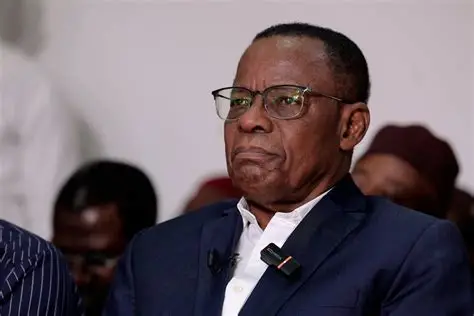
Opposition leader Maurice Kamto accuses Cameroon’s government of constitutional breach following municipal mandate extension
Maurice Kamto, president of Cameroon’s Movement for the Renaissance of Cameroon (MRC), has declared his intention to challenge the recent extension of municipal councilors’ mandates, citing violations of constitutional principles. The move follows the president’s decree on May 4, 2026, which extended local officials’ terms beyond previously established limits.
The opposition figure argues that the extension infringes on parliamentary authority by empowering the executive branch to bypass electoral laws. Specifically, he disputes the legality of procedures that removed the 18-month cap on mandate extensions, despite the new law containing no retroactive provisions. The April 14, 2026 legislation, which granted the president discretion to prolong municipal mandates, has drawn sharp criticism from Kamto and legal experts alike.
Constitutional principles under threat, claims Kamto
Kamto asserts that the decree violates the constitutional principle of non-retroactivity, which prohibits laws from applying to past events. While the original electoral code required municipal mandates to conclude by August 9, 2026, the extension pushed this deadline to February 27, 2026—a move Kamto describes as an unconstitutional overreach.
As of June 1, 2026, Kamto contends that municipal councils nationwide are operating in legal limbo. He urges local executives to recognize this vacancy and comply with legal obligations, including the immediate scheduling of new elections. The MRC leader has formally petitioned the Constitutional Council to compel the president to organize municipal polls, though past precedents raise doubts about the council’s willingness to intervene.
The legal battle underscores broader concerns about institutional dysfunction and the erosion of democratic safeguards in Cameroon’s electoral framework.