
Morocco and Mauritania strengthen security cooperation against Sahel challenges
Morocco and Mauritania are advancing one of the Maghreb’s most critical security partnerships. The two nations are bolstering coordination on border control, migration management, organized crime, and counterterrorism as instability spreads across the Sahel.
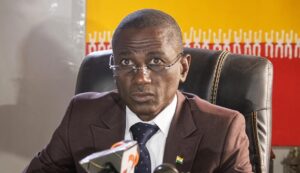
During recent meetings in Rabat, Morocco’s Interior Minister Abdelouafi Laftit and Mauritania’s Interior Minister Mohamed Ahmed Ould Mohamed Lemine agreed to strengthen collaboration between their ministries and implement new security coordination mechanisms.
While discussions focused on immediate concerns like irregular migration and cross-border crime, both countries framed these efforts within a broader strategy to safeguard regional stability and secure trade and transport corridors linking North and West Africa.
The partnership’s significance stems from geography. Mauritania sits at the crossroads of the Maghreb and the Sahel, making it a key transit country for commerce, migration, and security movements. Morocco, meanwhile, serves as a primary gateway between Africa and Europe.
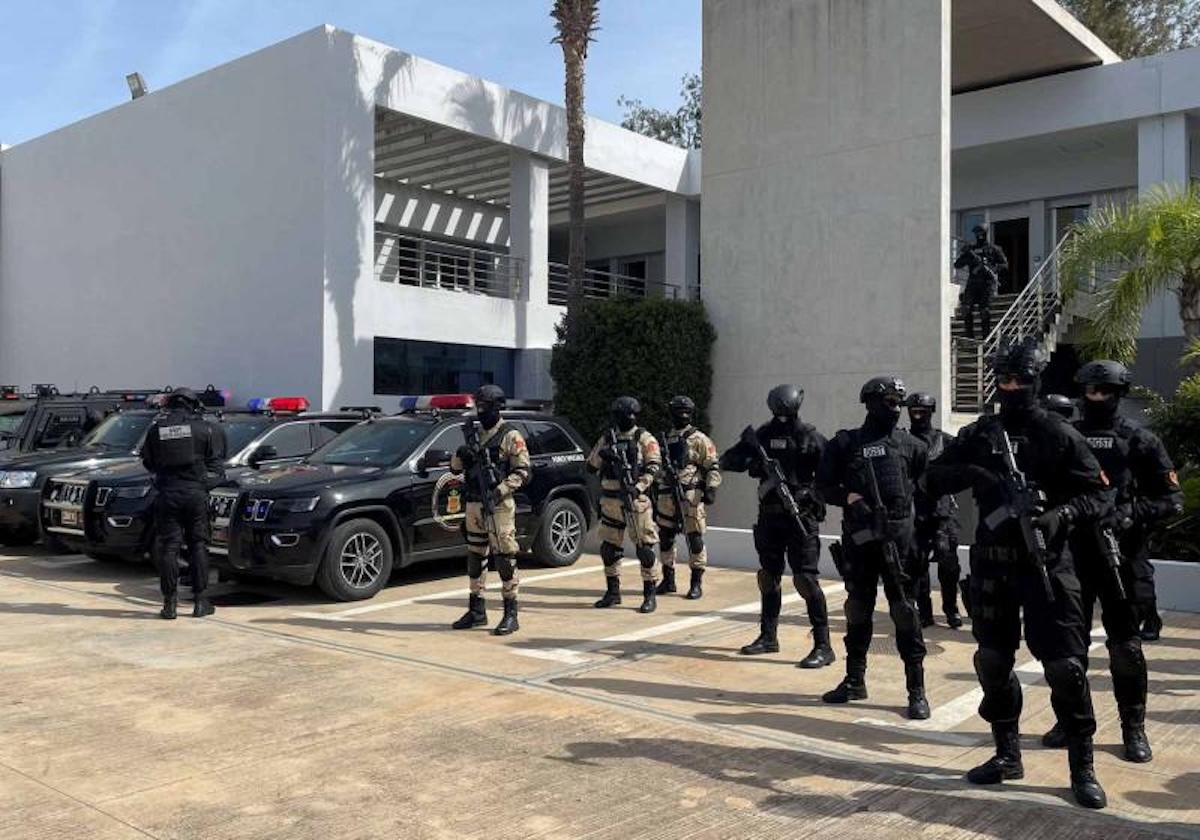
This reality has elevated border security to a shared priority. Both governments are working to enhance intelligence sharing, coordinate field operations, and monitor remote desert regions increasingly used by traffickers and militant groups.
migration dominates the agenda
Irregular migration emerged as a pressing issue during the Rabat talks. In recent years, Mauritania’s Atlantic coast has become a major departure point for migrants attempting the dangerous journey to Spain’s Canary Islands. This shift has intensified pressure on both Mauritania and Morocco to tighten surveillance and dismantle networks facilitating human trafficking.
Officials report that the countries are exchanging data on migration routes, strengthening controls at land crossings and coastal areas, and targeting human trafficking organizations profiting from irregular migration.
beyond migration: organized crime and terrorism
Cooperation extends far beyond migration control. Security services in both nations are increasingly concerned about criminal networks operating in the vast Sahara region, where smugglers traffic drugs, weapons, fuel, and other goods across rugged, hard-to-monitor terrain.
Morocco and Mauritania have therefore intensified intelligence cooperation to identify and dismantle transnational criminal networks.
Counterterrorism remains a core focus of this partnership. With armed groups active in parts of the Sahel, both governments are working to prevent extremist elements from exploiting border areas as transit routes or logistical hubs.
Observers note that the recent improvement in political relations between Rabat and Nouakchott has given fresh momentum to the security partnership. What was once primarily border management is now evolving into a broader regional strategy encompassing the protection of trade routes, the securing of transport corridors between North and West Africa, and coordinated responses to transnational threats.
The Mauritanian interior minister’s visit is widely seen as part of this wider effort to institutionalize cooperation between the two countries at both central and local levels.
why does this matter regionally?
For Morocco, deeper coordination with Mauritania helps secure the kingdom’s southern approaches and reinforces its role as a key regional security player.
For Mauritania, partnership with Morocco provides additional support in managing migration flows and combating increasingly sophisticated trafficking networks.
Analysts believe this collaboration could become a stabilizing force across the region, particularly as several Sahel nations grapple with security crises, political transitions, and growing pressure from organized criminal groups.
Thus, the Rabat talks were not merely about bilateral coordination but about establishing a security framework that both countries hope will contribute to greater stability across the western Mediterranean and the Sahel.
By Paul Ndongo — Grand reporter politique