
Morocco and Mauritania boost security ties amid Sahel instability
Senior officials from Morocco and Mauritania have agreed to deepen cooperation on border security, migration control, and counterterrorism as instability spreads across the Sahel. The two nations, which share a vast desert frontier, are implementing new joint measures to tackle shared threats.
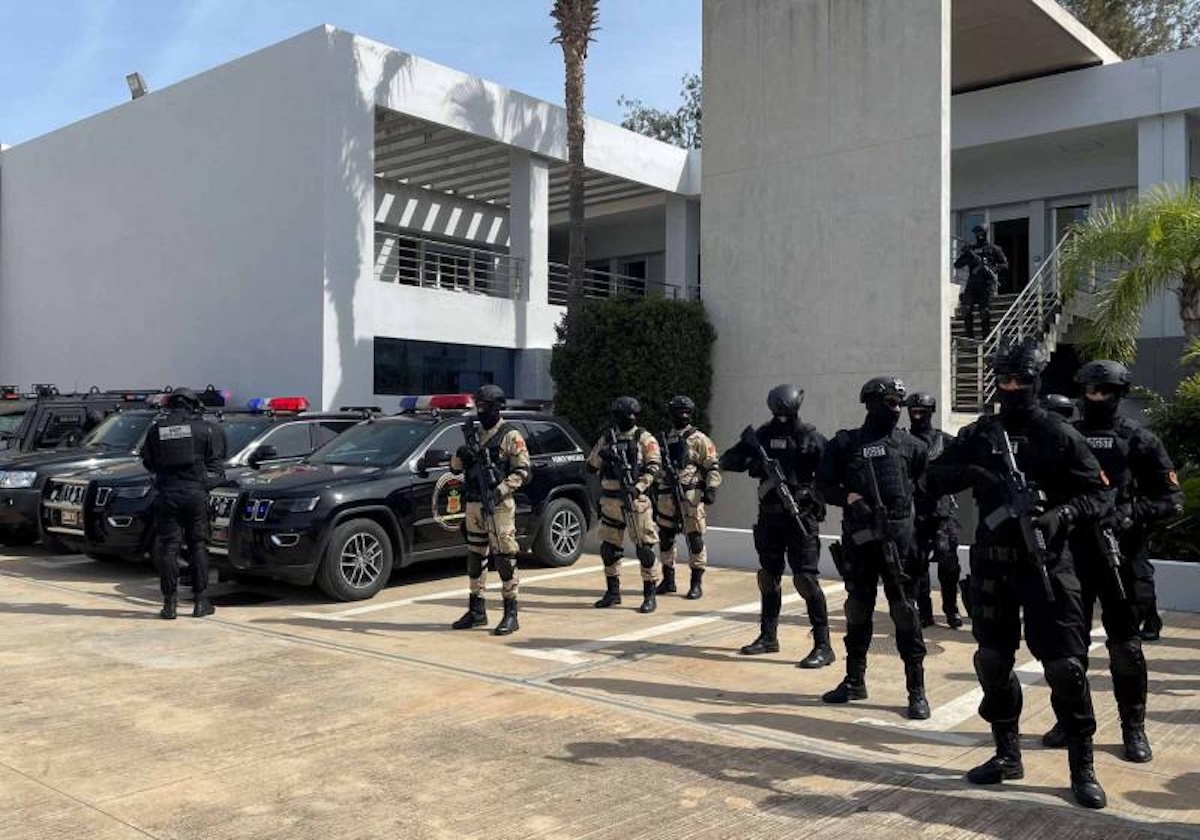
During a high-level meeting in Rabat, Morocco‘s Interior Minister Abdelouafi Laftit and his Mauritanian counterpart Mohamed Ahmed Ould Mohamed Lemine outlined plans to strengthen coordination between their security agencies. The discussions covered immediate challenges such as irregular migration and cross-border crime while embedding these efforts within a broader strategy to safeguard regional stability.
Key areas of focus include intelligence sharing, joint patrols in remote desert zones, and disrupting criminal networks trafficking weapons, drugs, and people across the Sahara. Both countries also emphasized preventing terrorist groups from using the border regions as transit routes or safe havens.
geopolitical significance
Mauritania sits at the crossroads of the Maghreb and the Sahel, making it a critical transit hub for trade, migration, and security-related movements. Meanwhile, Morocco serves as a key gateway between africa and europe. This geographical reality has made border security a strategic priority for both nations.
The enhanced partnership is expected to bolster stability in the western mediterranean and Sahel regions, where rising insecurity and organized crime pose growing risks to trade corridors and transport links between north and west africa.
migration control takes center stage
Mauritania‘s atlantic coastline has become a major departure point for migrants attempting the perilous journey to the canary islands. This shift in migration routes has intensified pressure on both countries to tighten surveillance and dismantle human trafficking networks.
Officials confirmed that Morocco and Mauritania are exchanging real-time intelligence on migrant flows, increasing checks at land border crossings and coastal areas, and targeting criminal organizations profiting from irregular migration.
beyond migration: organized crime and terrorism
The security cooperation extends to combating organized crime in the Sahara, where traffickers exploit the vast, sparsely monitored terrain to move contraband. Enhanced intelligence-sharing and coordinated operations are helping both countries disrupt these networks.
Counterterrorism remains a critical component of the partnership. With armed groups active in parts of the Sahel, Morocco and Mauritania are working to prevent extremists from using border areas as logistics hubs or transit routes.
regional implications
For Morocco, stronger ties with Mauritania enhance security along its southern borders and reinforce its role as a security leader in the region. For Mauritania, the collaboration provides additional support in managing migration flows and combating increasingly sophisticated trafficking networks.
Analysts view this partnership as a potential stabilizer at a time when several Sahel states face security crises, political transitions, and mounting pressure from organized criminal groups. The Rabat talks were not just about bilateral coordination but aimed at establishing a broader security framework to promote stability across the western mediterranean and Sahel.