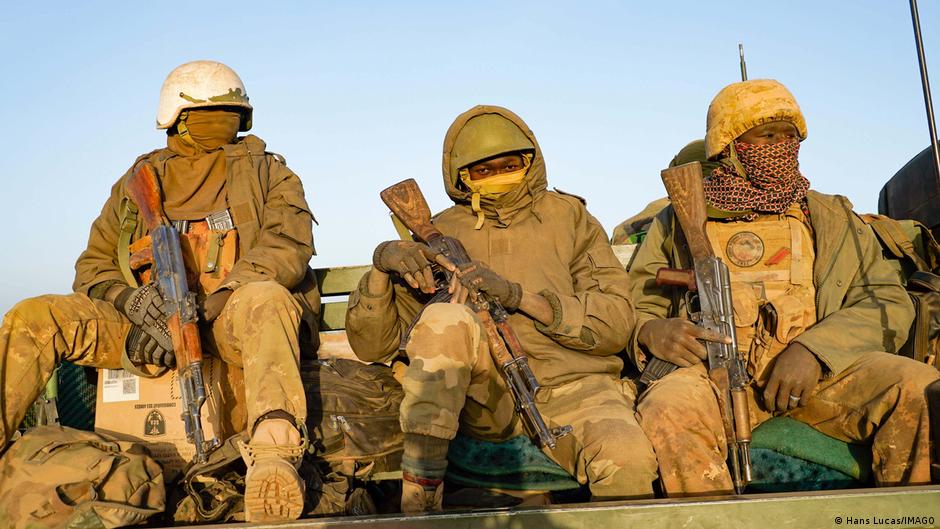

The presence of Russian paramilitaries in Mali, operating under the Africa Corps banner, has raised questions about their significantly lower casualties compared to Malian armed forces during jihadist attacks. Analysts point to key differences in their roles, numbers, and strategic deployment.
While jihadist assaults frequently target Malian military positions, Russian fighters often remain less exposed. This disparity stems from structural and operational contrasts between the two forces.
Fewer troops, less exposure
One of the most cited explanations is numerical. Estimates suggest that between 1,500 and 2,000 Russian paramilitaries are currently active in Mali, far outnumbered by the over 13,000 soldiers in the Malian Armed Forces (FAMa). With fewer personnel deployed across the country, Russian fighters are less likely to be caught in ambushes or large-scale assaults.
Moreover, their mission differs markedly from that of Malian troops. While FAMa soldiers often hold frontline positions and occupy remote bases, Russian fighters primarily provide logistical and technical support. They handle drone surveillance, intelligence analysis, and coordination—roles that minimize direct confrontation.
Mamadou Mouth Bane, a Sahel security analyst, notes: “Malian soldiers bear the brunt of the fighting. They are deployed in high-risk zones, while Russian paramilitaries operate in a supporting capacity—managing communications, processing drone data, and advising from safer positions. That’s why most casualties and hostages are Malians.”
Russian fighters are not immune to losses
Despite their lower casualty rates, Russian paramilitaries have not escaped harm. Several have been killed in operations across northern and central Mali over recent years. Exact figures remain undisclosed, as neither Bamako nor Moscow releases official data on Russian losses.
However, their experience sets them apart. Many Russian fighters are veterans of conflicts in Syria, Ukraine, and other regions, bringing hardened combat skills to Mali. Abdoulaye Sounaye, a Sahel researcher at the Leibniz-Zentrum Moderner Orient in Berlin, explains: “These are professional mercenaries with extensive battlefield experience. Their advanced combat techniques, combined with superior equipment—including armored vehicles and aerial assets—give them a tactical edge over local forces.”
Additionally, some analysts argue that Russia’s limited troop presence forces strategic prioritization. Rather than spreading themselves thin, Russian fighters focus on protecting critical infrastructure and executing high-priority missions, leaving routine patrols and long-term territorial control to Malian troops.
The contrast in casualties highlights a broader dynamic in Mali’s counterinsurgency efforts: while Russian support bolsters operational capacity, the heaviest burden still falls on Malian soldiers.