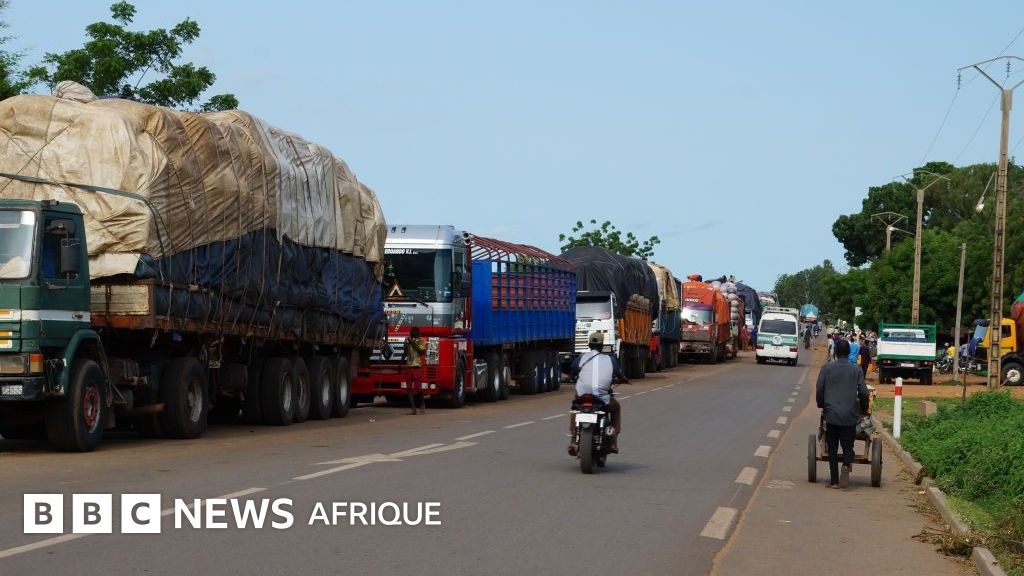

After nearly three years of strained relations that led to a complete border closure, Niger and Benin are finally making progress toward reopening their shared frontier. The latest round of high-level talks in Cotonou has paved the way for a potential thaw in one of West Africa’s most critical trade corridors.
Breakthrough after 48 hours of intensive negotiations
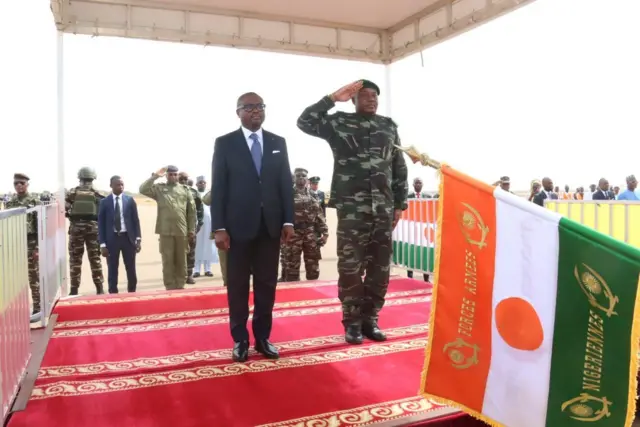
A delegation led by General Mohamed Toumba, Niger’s Minister of Interior, Public Security, and Territorial Administration, engaged in two days of intense discussions with Beninese officials in Cotonou over the weekend. The meetings concluded with a series of agreements that could soon restore normalcy to a once-thriving trade route.
Key breakthroughs include:
- Enhanced security cooperation to combat cross-border threats and terrorism
- Exemption of transit fees for goods moving between the two countries
- Restrictions on certain goods to prevent smuggling and illegal trade
- Review of tariffs on commercial transit
- Resolution of pending disputes to clear legal and administrative hurdles
General Toumba emphasized the strategic importance of dialogue, stating, “We have prioritized security and laid the groundwork for economic and legal normalization. This will bring stability to our economies, safety to our people, and renewed hope for our youth.”
Benin’s new leadership drives diplomatic thaw
The momentum for reconciliation began in April 2025 with the election of Romuald Wadagni as Benin’s president. Just one week into his term, Wadagni made a landmark visit to Niamey on June 2, signaling a clear intent to restore bilateral relations. This high-level engagement set the stage for the current negotiations.
According to the joint communiqué issued after the presidents of both countries met, a joint commission was established to investigate the events leading to the 2023 border closure. The goal: to remove all barriers hampering cooperation and restore pre-crisis trade flows.
Benin’s Minister of Industry and Trade, Oleshegun Adjadi Bakari, described the meetings as transformative: “After 48 hours of intensive talks, we are no longer two delegations—we are one team with a shared mission: to rekindle the historic bond between our peoples.”
From conflict to cooperation: what sparked the three-year standoff?
The deterioration of relations between Niger and Benin began in July 2023, following the military takeover in Niamey that removed President Mohamed Bazoum from power. The new junta, led by General Abdourahmane Tiani, accused Benin and other regional leaders of plotting a military intervention, allegedly backed by France and the ECOWAS, to restore constitutional order.
Accusations flew in both directions:
- Niger’s military government claimed Benin hosted French troops and supported armed groups operating within its borders.
- Cotonou denied these allegations and criticized Niamey for imposing sanctions, including the closure of regional borders—a move that triggered ECOWAS’s response.
Relations further soured when both countries traded accusations of harboring coup plotters and destabilizing forces. The breakdown culminated in a complete blockade, crippling one of West Africa’s most vital trade arteries.
The human and economic toll of a closed border
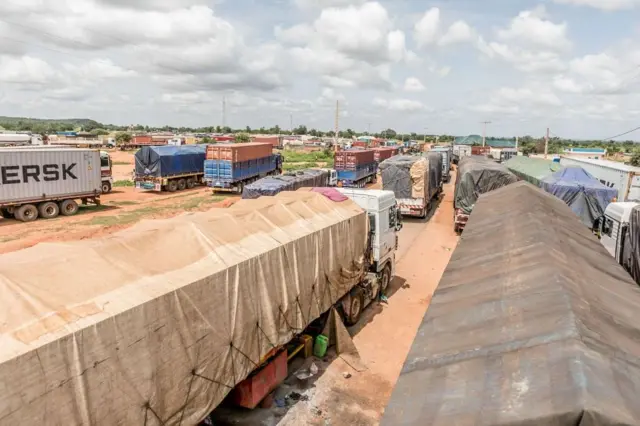
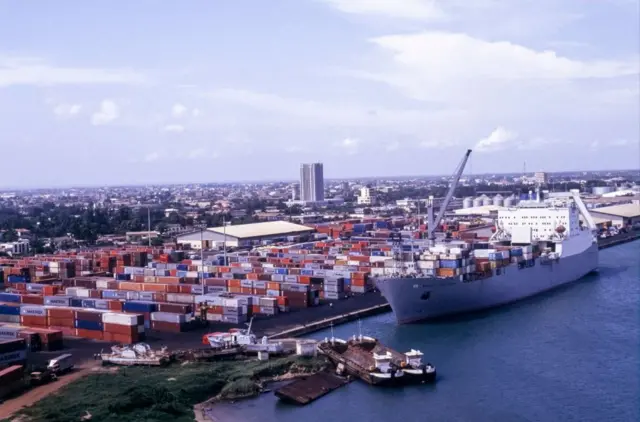
The prolonged closure has left deep scars on both economies. Cotonou’s port, a lifeline for landlocked Niger, saw a dramatic decline in activity as trade routes were severed. Imports and exports—including oil transported via the 2,000-kilometer pipeline managed by WAPCO—were halted, forcing Niger to reroute shipments through Lomé in neighboring Togo.
Ibrahim Abou Koura, a transporter based in Cotonou, described the impact: “My once-bustling warehouse, which handled goods bound for Niger, now sits nearly empty. The communities on both sides are paying the price.”
The closure also disrupted the flow of essential goods such as cereals and fuel, raising concerns about food security and economic stability. Gamatie Mahamadou, Secretary-General of Niger’s truckers’ union, highlighted the challenges: “The Niger-Benin corridor was once the safest and most efficient route for our drivers. Now, we face longer, riskier detours through Burkina Faso, where jihadist threats loom large.”
With the port of Cotonou handling up to 80% of Niger’s external trade, the economic fallout has been severe. Businesses on both sides have struggled, and the once-vibrant informal trade networks have collapsed, leaving thousands of drivers and merchants in limbo.
Looking ahead: will the border reopen soon?
While the agreements reached in Cotonou mark a significant step forward, final approval from both governments is still required before the border can reopen. The joint commission is expected to convene within weeks to implement the agreed-upon measures and address lingering disputes.
Both sides have expressed cautious optimism. Romuald Wadagni stated, “This is more than just a border reopening—it’s about restoring trust, rebuilding our economies, and honoring the centuries-old ties between our peoples.”
For the thousands of drivers, merchants, and families whose livelihoods depend on this corridor, the promise of normalization offers a glimmer of hope after years of hardship.



