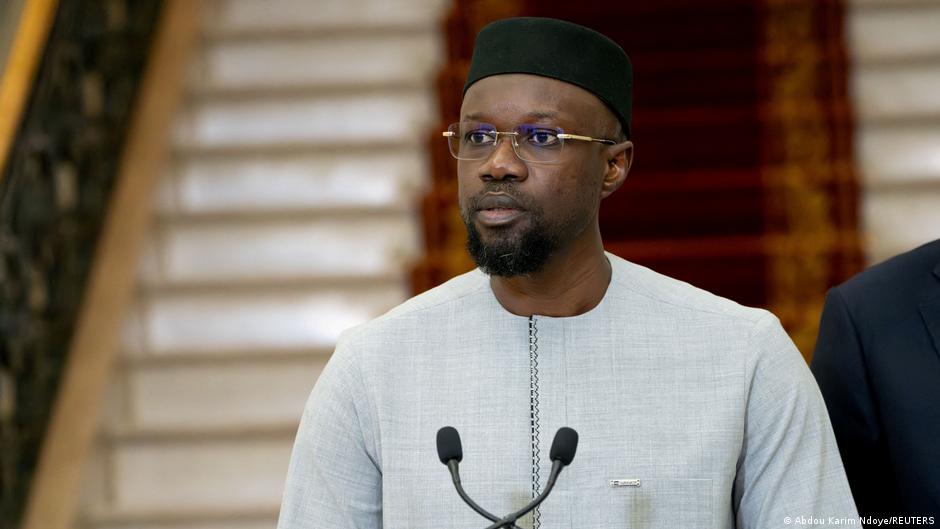
Senegal’s constitutional council has struck down the institutional reform bill championed by the ruling Pastef party, dealing a major setback to Ousmane Sonko’s political ambitions. The council ruled that the proposed changes violated constitutional provisions, effectively halting the reform process that had been swiftly pushed through the National Assembly where the ruling party holds a comfortable majority.
In its ruling, the council identified two critical constitutional violations: first, the absence of a funding mechanism for the proposed constitutional court that would have been established under the reforms, and second, procedural irregularities in the handling of government amendments during parliamentary debates. The decision was made after President Bassirou Diomaye Faye himself referred the matter to the constitutional council.
Political fallout intensifies
The constitutional council’s decision has sent shockwaves through Senegal’s political landscape. While the ruling coalition insists on the legitimacy of institutional reforms, opposition voices argue that the ruling party overreached in its legislative maneuvers. Adji Diarra Mergane Kanouté, former MP and president of the USD/A party, emphasized that while the decision blocks current reform efforts, it doesn’t close the door to future legislative attempts – provided they comply with constitutional procedures and include adequate funding mechanisms.
“The constitutional council’s decision doesn’t mean the end of institutional reforms, but it does require that any future proposals respect constitutional requirements, particularly regarding funding of public institutions like the constitutional court. The council also highlighted procedural violations in the legislative process that cannot be ignored,” she explained.
Key points of contention
- Constitutional court funding: The reforms proposed creating a new constitutional court without specifying how it would be funded, violating constitutional requirements.
- Legislative procedures: The council ruled that the National Assembly failed to follow proper procedures when considering government amendments, particularly regarding the blocked vote mechanism.
- Future prospects: While the current reform is dead, legal experts suggest it could be revived if properly structured with constitutional funding mechanisms.
Rising tensions at the heart of power
The constitutional council’s decision arrives amid growing tensions between President Bassirou Diomaye Faye and former Prime Minister Ousmane Sonko. Since Sonko’s removal from the prime minister position in May, the two political heavyweights have found themselves increasingly at odds, with Sonko publicly referring to a “cohabitation” scenario between himself and the president.
Political observers see this constitutional setback as another chapter in the unfolding power struggle between Senegal’s two most prominent political figures. The decision not only weakens Sonko’s position but also raises questions about the stability of the ruling coalition and the future direction of Senegal’s political reforms.
Dr. Binette Ndiaye, coordinator of the Citizen Forum, welcomed the constitutional council’s decision, stating that “it’s crucial for institutional reforms to emerge from inclusive dialogue rather than being imposed by a single political force. The council’s intervention reminds us that even with a parliamentary majority, respect for constitutional procedures and broader consensus remains essential.”
As Senegal navigates this period of political uncertainty, the constitutional council’s decision has set the stage for continued debate over institutional reforms and the balance of power between the executive and legislative branches. The coming weeks will reveal whether this setback will lead to a recalibration of political strategies or further escalation in the ongoing power struggle.