Senegal’s constitutional council halts Pastef reforms, weakening Sonko
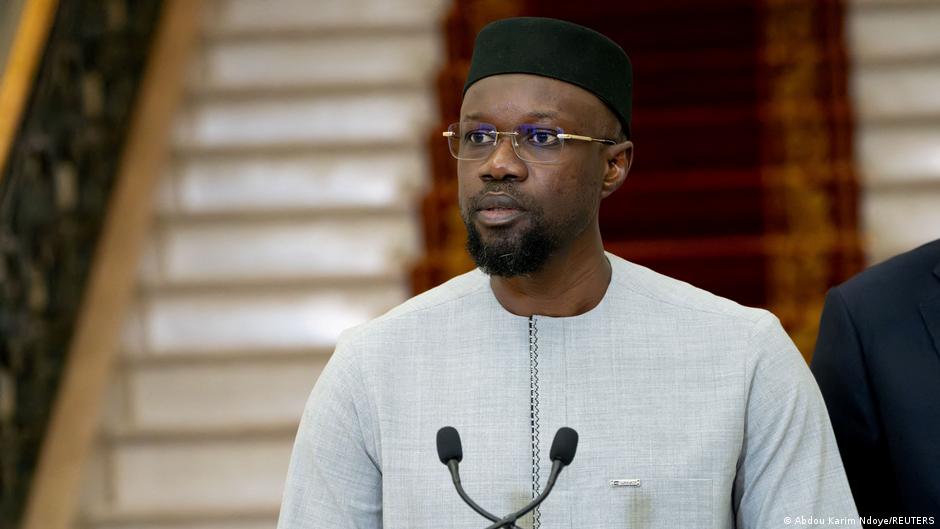
Senegal’s constitutional council halts Pastef reforms, weakening Sonko
July 10, 2026Constitutional council strikes down Pastef-backed reforms
The Senegalese constitutional council has invalidated the institutional reform bill pushed by the Pastef majority in parliament. The decision, issued yesterday, concluded that the proposed changes violated constitutional provisions. The bill, championed by Ousmane Sonko’s supporters, aimed to rebalance institutional powers, but the council found it legally flawed.
The reform, adopted by the national assembly where Pastef holds a strong majority, faced immediate legal challenges. President Bassirou Diomaye Faye personally triggered the constitutional review, which identified two major irregularities: the lack of funding provisions for the proposed constitutional court and procedural breaches during parliamentary debates on government amendments.
Adji Diarra Mergane Kanouté, former deputy and leader of the USD/A party, emphasized that while the decision blocks the current reform path, it does not entirely close the door on future legislative efforts. She noted that any revised proposal must comply with constitutional funding requirements under Article 82, particularly for public expenditure initiatives like elections or court structures.
“The council’s ruling confirms that even with a parliamentary majority, constitutional procedures must be strictly followed. Ignoring these rules risks legal invalidation,” she stated.
Parliamentary oversight expansion blocked
Another contested element of the reform was the expansion of parliamentary investigative powers, which would have allowed lawmakers to scrutinize natural resource contracts and access previously restricted domains. This provision was also struck down by the council, further limiting the scope of the proposed changes.
Political reactions followed swiftly. Ousmane Sonko acknowledged the council’s decision in a social media statement, while the presidential coalition defended the legitimacy of the reform process and called for continued dialogue. Dr. Binette Ndiaye, coordinator of the Citizen Forum, praised the council’s decision as a safeguard for democratic principles.
“This ruling is a victory for inclusivity and constitutional compliance. Major reforms cannot be imposed by a single party without broad consensus. The council has rightly reminded us that Senegal operates under a republic framework, where even electoral majorities must respect pluralism,” she added.
Power struggle escalates in Senegal
The council’s decision arrives amid deepening tensions between Ousmane Sonko and President Bassirou Diomaye Faye. Sonko, removed from the prime ministership in May, had pivoted to leading the national assembly. His recent remarks about a “cohabitation” scenario with the president have fueled speculation about an emerging rift within the ruling coalition.
Political analysts view the reform’s failure as another chapter in the intensifying rivalry at the heart of Senegal’s government. The outcome could reshape the political landscape, especially as both leaders navigate divergent visions for the country’s institutional future.