Senegal’s constitutional council strikes down Pastef reforms
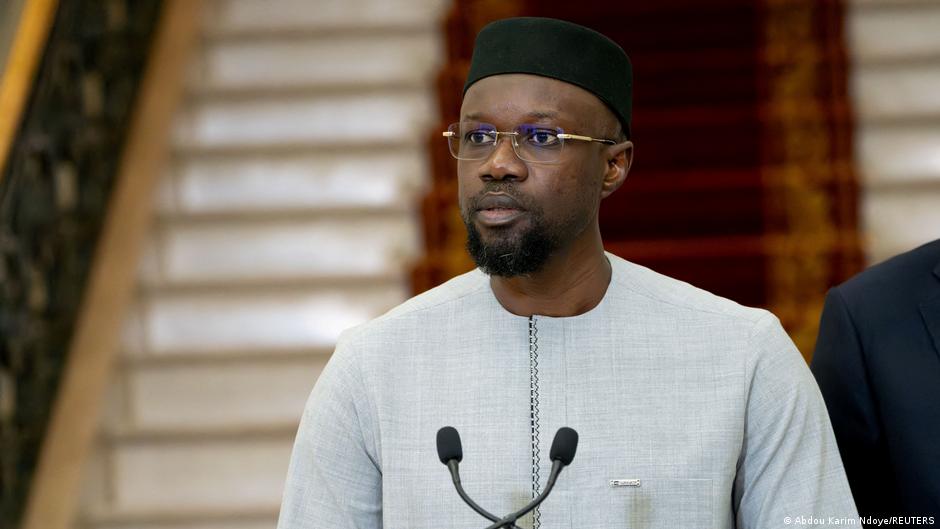
Senegal’s constitutional council strikes down Pastef reforms

The Senegalese Constitutional Council has struck down the institutional reforms proposed by the ruling Pastef party, dealing a significant setback to Ousmane Sonko’s political agenda. The council ruled that the reforms, which aimed to rebalance institutional powers, violated the Constitution on two key grounds.
First, the proposed reforms failed to include a financial framework for the future Constitutional Court, a requirement under the Constitution. Second, the council found procedural irregularities during parliamentary discussions on government amendments, particularly regarding the refusal to apply the vote bloqué mechanism as requested by the executive.
This decision follows a formal referral by President Bassirou Diomaye Faye, underscoring the deepening tensions between the country’s two most influential political figures. The reforms, adopted by the National Assembly where Pastef holds a comfortable majority, were intended to strengthen parliamentary oversight and institutional checks and balances.
Political fallout and reactions
Ousmane Sonko, who was removed from the premiership in May, acknowledged the council’s decision in a social media statement. Meanwhile, the presidential coalition emphasized the importance of institutional stability and continued dialogue on reform initiatives.
Adji Diarra Mergane Kanouté, former MP and leader of the USD/A party, highlighted the council’s role in upholding constitutional principles. “While the ruling invalidates the current reform, it does not preclude future legislative efforts—provided they comply fully with constitutional procedures, particularly regarding public expenditure and revenue mechanisms.”
Civil society voices, such as Dr. Binette Ndiaye of the Citizen Forum, praised the council’s decision, stressing the need for inclusive processes in constitutional amendments. “Even with a parliamentary majority, major constitutional changes require broad consensus and dialogue. The council’s ruling reminds us that Senegal remains a Republic where all voices must be heard.”
Broader implications for Senegal’s political landscape
The council’s decision arrives amid growing friction between President Faye and Ousmane Sonko, who recently described their relationship as one of “cohabitation.” Political observers warn that this judicial setback could deepen divisions within the ruling coalition and reshape the country’s political trajectory in the coming months.
The rejected reforms included provisions to enhance parliamentary investigative powers over natural resource contracts and expand oversight into previously restricted domains. Their invalidation marks a turning point in Senegal’s ongoing constitutional and political debates.