Senegal constitutional council strikes down pastef reform plan
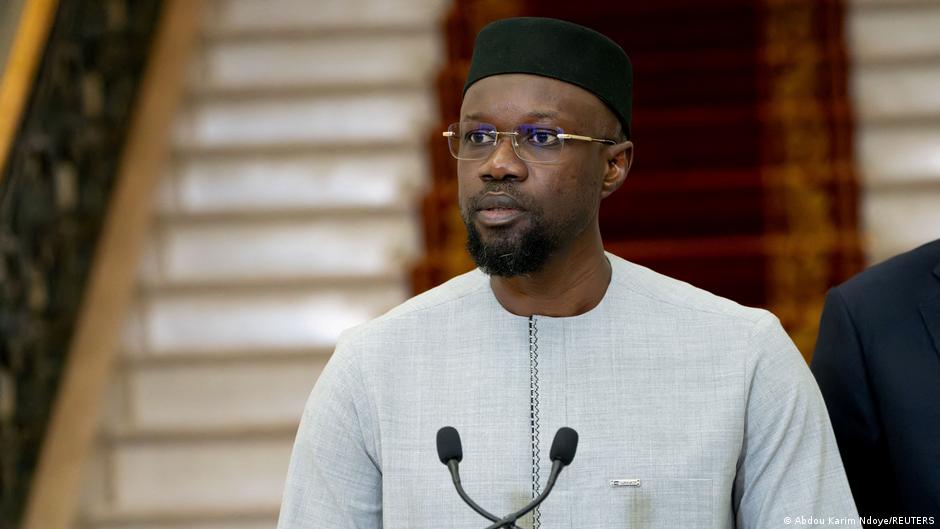
Senegal’s constitutional council blocks past ef reform, weakens sonko’s position
Constitutional court delivers decisive ruling against reform
Senegal’s Constitutional Council has definitively rejected a sweeping institutional reform bill spearheaded by the majority bloc of the Pastef party. The ruling, issued yesterday, invalidates the legislation on constitutional grounds, dealing a major setback to Ousmane Sonko’s political agenda and his allies in the National Assembly.
The reform package, which proponents argued would restore balance between state institutions, was found to contain two critical constitutional violations. First, the court identified the absence of a funding mechanism for the proposed new Constitutional Court—a key component of the reform. Second, it ruled that parliamentary procedures were violated during the examination of government amendments, specifically regarding the refusal to implement the vote bloqué (blocked vote) mechanism at the executive’s request.
President Bassirou Diomaye Faye personally referred the bill to the Council, triggering this landmark decision that underscores the judiciary’s role as the ultimate arbiter of constitutional compliance.
Political fallout and strategic implications
The Council’s decision arrives amid escalating tensions between Sonko and President Faye, who share a complex political history. Once closely aligned, their relationship has deteriorated visibly in recent months. Sonko, who was removed from the premiership in May, had subsequently assumed the presidency of the National Assembly—a move seen by many as a strategic repositioning.
Sonko publicly acknowledged the ruling in a social media statement, framing it as a setback but not a final defeat. Meanwhile, members of the presidential coalition emphasized the importance of institutional stability and called for continued dialogue on reform initiatives.
Dr. Binette Ndiaye, coordinator of the Citizen Forum, praised the Council’s decision, stating: “As a member of civil society, I believe this is a decision to be welcomed. The process lacked inclusivity from the outset. It appeared as though a single political party was attempting to amend constitutional provisions without prior dialogue or consensus-building. The Council has rightly reminded us that, even with a parliamentary majority, we must respect the voices of all stakeholders.”
The road ahead: reform or retreat?
While the ruling effectively halts the current reform effort, political observers note that the door remains open for a revised legislative approach. Adji Diarra Mergane Kanouté, former MP and leader of the USD/A party, pointed out that the Council’s decision does not foreclose future reform initiatives—as long as they comply strictly with constitutional requirements.
She highlighted key constitutional obligations, particularly Article 82, which mandates that any legislation creating public expenditures—such as those related to elections or the establishment of a new Constitutional Court—must include compensatory revenue measures. The Council specifically cited the failure to meet this requirement, along with procedural irregularities in parliamentary debate, as grounds for invalidation.
“The Council acted within its constitutional authority. The Assembly cannot bypass procedural safeguards, even when pursuing ambitious reforms. This is not the end of the process—it is a call for greater rigor and transparency,” she emphasized.
Shifting power dynamics and political uncertainty
The ruling marks another chapter in the growing rift between Sonko and President Faye, two figures who once led the opposition together under the Pastef banner. Their evolving relationship has become a defining feature of Senegal’s political landscape, with implications for governance, legislative priorities, and the country’s democratic stability.
Political analysts suggest that the Council’s intervention may have unintended consequences—either accelerating efforts to rebuild consensus or deepening institutional paralysis. With Sonko’s political capital now visibly weakened, the coming weeks will reveal whether the president can consolidate his reform agenda or whether further divisions will emerge within the ruling coalition.