Senegal’s political shift amid Middle East tensions and 2026 world cup buzz
Sénégal, Middle East conflict and the road to 2026
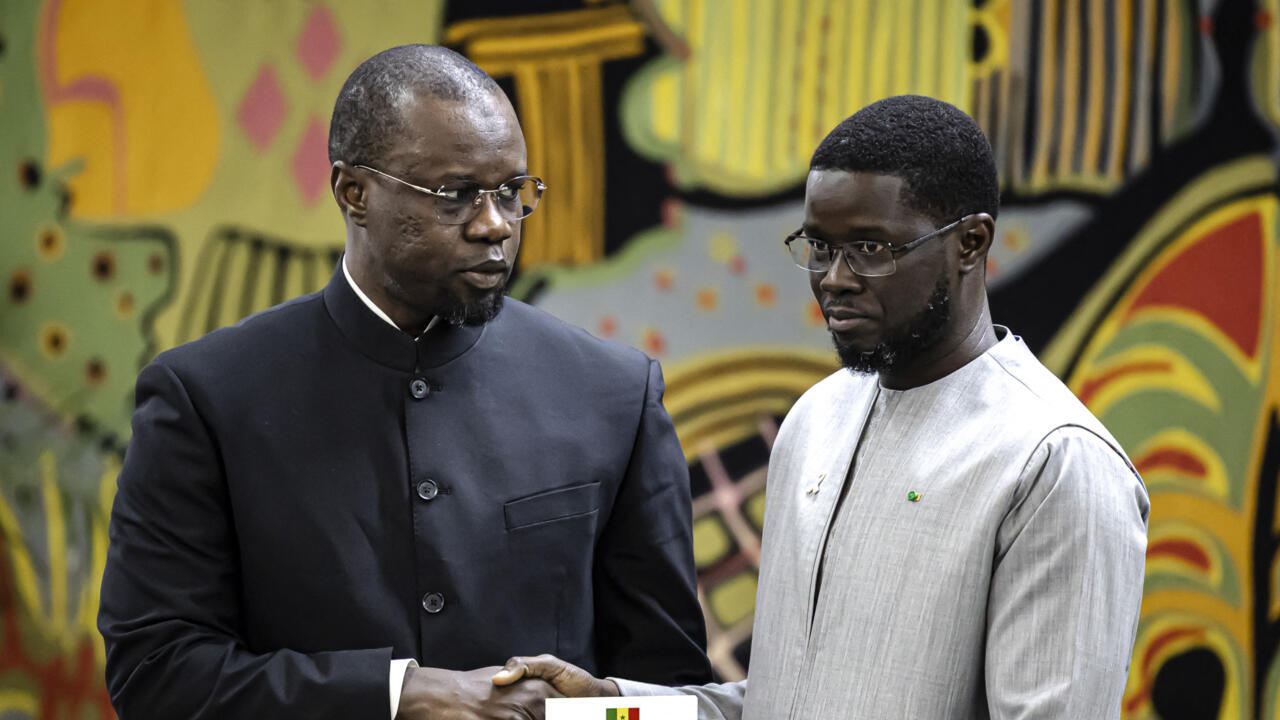
Senegal’s political landscape is undergoing a pivotal transformation as President Bassirou Diomaye Faye navigates a delicate balance between domestic reforms and international pressures. With the recent establishment of a presidential party and the constitutional council’s rejection of a key parliamentary reform backed by Ousmane Sonko’s Pastef coalition, Faye’s administration is setting the stage for what could be a defining phase of his presidency. The critical question now is whether this strategy will succeed in uniting a divided opposition and winning over the Senegalese public.
Middle East escalation casts shadow over global stability
The world is watching with bated breath as tensions in the Middle East reach a critical juncture. Following a fresh wave of military strikes and retaliatory actions, the fragile ceasefire between key regional players appears to hang in the balance. In a blunt statement, an American leader declared the ceasefire ‘dead,’ dismissing ongoing diplomatic efforts with Iran as futile. With the specter of further military intervention looming, the international community must brace for potential fallout that could destabilize markets and alter geopolitical alliances.
African voices dissect pressing global and regional issues
Weekly, a panel of seasoned African journalists and analysts dissect the most pressing issues shaping the continent’s future. This week’s edition brings together experts from across Francophone Africa to examine the interplay between Senegal’s domestic political evolution, the escalating Middle East crisis, and the implications of hosting the 2026 FIFA World Cup. The discussion offers a rare insight into how these dynamics could redefine Africa’s role on the global stage.
Panelists include:
- Wuldath Mama, Beninese journalist and international affairs specialist
- Eric Topona, Chadian journalist with Deutsche Welle’s Francophone Africa desk
- François Hiondi Nkam, veteran reporter and Economics Editor at Cameroon’s Le Jour newspaper