
what to expect from the democratic republic of Congo’s national dialogue
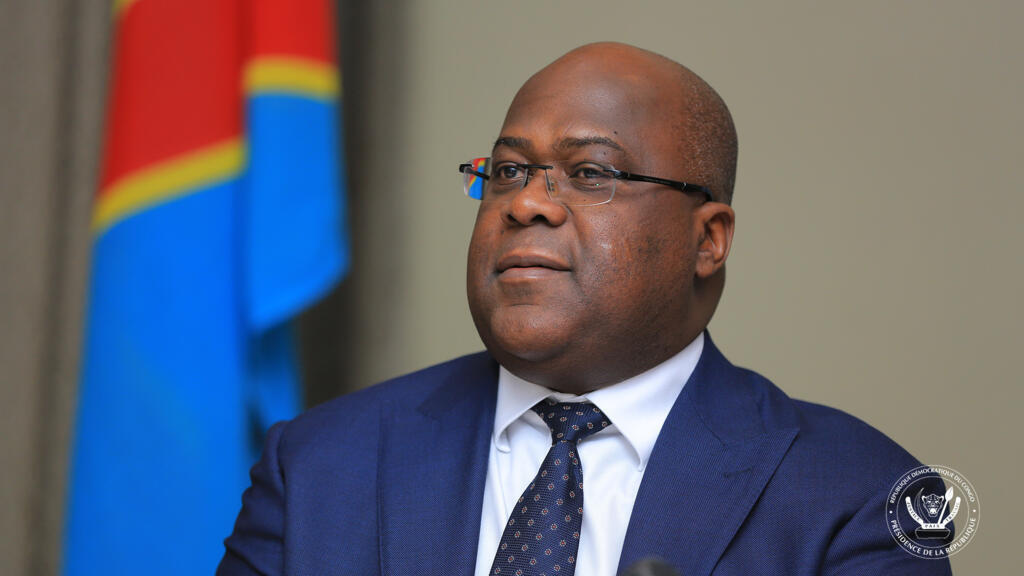
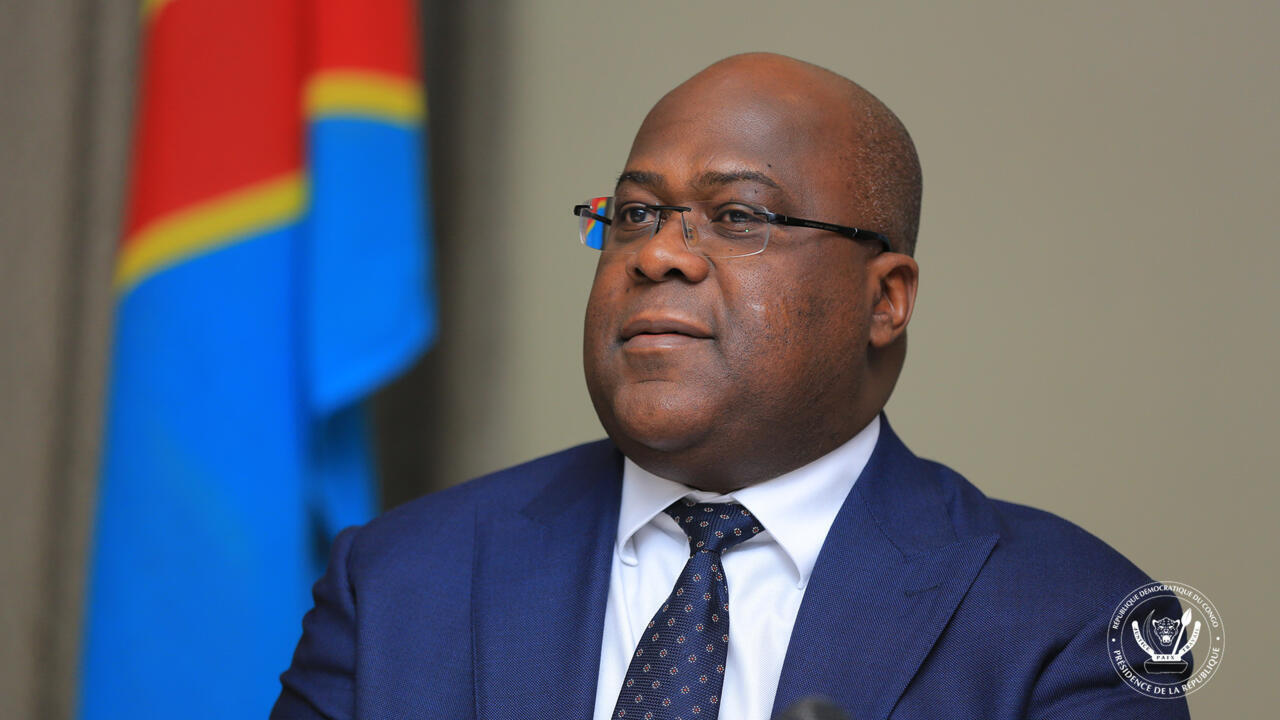
In the Democratic Republic of Congo, the opposition has postponed its planned march for this Wednesday but remains firmly opposed to President Félix Tshisekedi’s potential third term. Opposition leaders are now demanding the national dialogue, announced by the president, be convened before August 15. What does this ultimatum mean for the nation’s political future? And what expectations should citizens have for this much-anticipated dialogue?
why the opposition’s ultimatum matters
The opposition’s decision to postpone the march sends a clear signal: their patience is wearing thin. By setting an August 15 deadline for the national dialogue to commence, they are pressuring the government to address concerns about constitutional revisions that could enable a third term for President Félix Tshisekedi. The opposition argues that such revisions undermine democratic principles and threaten stability in the region.
Meanwhile, the president’s call for a national dialogue aims to foster unity and address pressing issues such as security, governance, and economic challenges. However, skepticism lingers. Will this dialogue be inclusive enough to bridge the growing divides in Congolese society? Or will it merely serve as a platform for political maneuvering?
key expectations from the national dialogue
The national dialogue in the Democratic Republic of Congo is expected to tackle several critical issues:
- constitutional reforms: The opposition insists on revisiting recent constitutional amendments that could pave the way for a third term. They argue these changes are not in the best interest of the nation.
- security and stability: With ongoing conflicts in the eastern regions, including the resurgence of the M23 rebel group, citizens expect tangible solutions to ensure peace and security.
- economic recovery: The DRC is rich in natural resources, yet many Congolese struggle with poverty. The dialogue could address strategies to improve economic conditions and reduce inequality.
- inclusivity and transparency: For the dialogue to be effective, it must include a broad range of stakeholders—opposition leaders, civil society, religious groups, and international observers. Transparency in the process will be key to rebuilding trust.
- electoral integrity: With elections looming, citizens are calling for reforms to ensure free, fair, and credible elections. This includes addressing concerns about voter registration, transparency in the electoral process, and preventing electoral violence.
public sentiment and the road ahead
Public reaction to the opposition’s ultimatum has been mixed. While some citizens support the push for dialogue, others fear it could escalate tensions or even lead to further delays in addressing urgent issues like security and economic development. Social media platforms are abuzz with debates about the president’s intentions and the opposition’s strategies.
The coming weeks will be crucial. If the national dialogue convenes before the August 15 deadline, it could mark a turning point for the DRC. However, if the government fails to act, the opposition may escalate its protests, risking instability in a nation already grappling with immense challenges.
As the situation unfolds, one thing is clear: the people of the Democratic Republic of Congo are watching closely. They expect meaningful action—not just words—from their leaders.