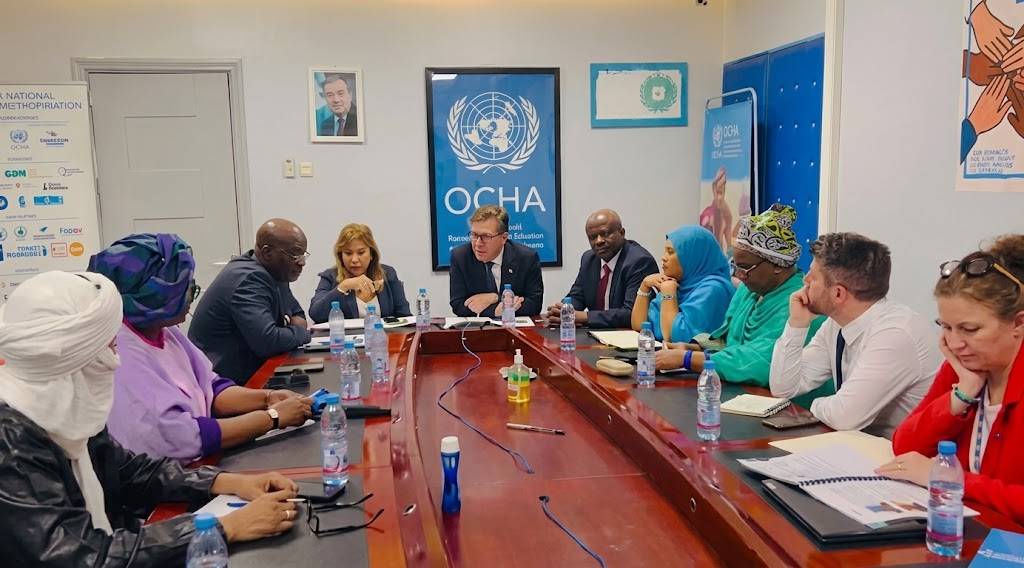

The recent visit by a United Nations delegation to Bamako was not just another diplomatic stop—it revealed deeper tensions shaping Mali’s humanitarian landscape in 2026. Led by Tom Fletcher, the UN’s Under-Secretary-General for Humanitarian Affairs and Emergency Relief Coordinator, the mission arrived amid a crisis where 5.1 million Malians depend on external aid, despite strained relations between Bamako and key international partners.
Why the UN’s Bamako mission matters more than it seems
At first glance, the UN’s arrival may appear routine, but its timing and context expose a critical paradox: as Mali grapples with historic humanitarian needs, its government has systematically restricted or expelled numerous aid organizations. Fletcher’s delegation, however, secured access, signaling a fragile but essential dialogue between sovereignty claims and survival imperatives.
The human cost behind the 5.1 million figure
The staggering number of Malians in need—5.1 million—reflects more than statistics. Behind this figure lie displaced families, communities displaced by conflict, and regions where basic services like healthcare, clean water, and food have collapsed. The UN’s 2026 Humanitarian Response Plan targets 3.8 million people, but the gap between needs and aid underscores a system stretched to its limits. Access remains the biggest hurdle: restricted movement, bureaucratic barriers, and security risks prevent aid from reaching those most vulnerable.
Diplomatic shifts: when sovereignty clashes with survival
Mali’s leadership has framed its restrictions on international aid as a move toward national sovereignty. Yet, the irony is stark: while authorities assert control, millions of citizens face a humanitarian emergency. The UN’s presence in Bamako suggests a tacit acknowledgment that no government, however self-reliant, can address a crisis of this scale alone. The challenge now? Balancing Mali’s sovereignty demands with the urgency of saving lives—before the gap between need and aid widens further.
What the UN trip reveals about global aid’s future
Fletcher’s visit wasn’t just about Mali; it was a test case for how the international community adapts to evolving sovereignty claims. Will the UN’s engagement here serve as a model for other nations tightening restrictions on aid? Or will it become another cautionary tale of how diplomacy and desperation collide?
Can Mali’s humanitarian crisis become a turning point?
The answer depends on three critical factors:
- Flexibility in diplomacy: Can Bamako and international actors find common ground without sacrificing lives?
- Unblocking aid access: Will restrictions ease enough for aid to flow where it’s most needed?
- Sustainable coordination: Can agencies on the ground align their efforts despite political friction?
For the 5.1 million Malians who cannot wait for answers, the clock is ticking. The UN’s mission was a step—but whether it leads to real change remains uncertain.