
The unfulfilled expectations of economic sovereignty for returning miners
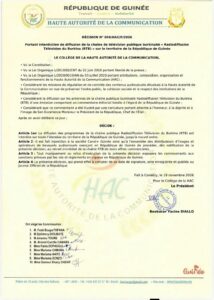
The narrative of economic sovereignty, national dignity, and self-reliance championed by Burkina Faso’s leadership is now colliding with a stark contradiction. Thousands of Burkinabè gold miners expelled from Guinea find themselves in a precarious limbo: how can they rebuild their economic lives in a country that has yet to offer a concrete path to professional reintegration? After the patriotic rhetoric and public outrage over their situation, the government’s proposed solutions appear more like administrative expediency than a structured recovery plan.
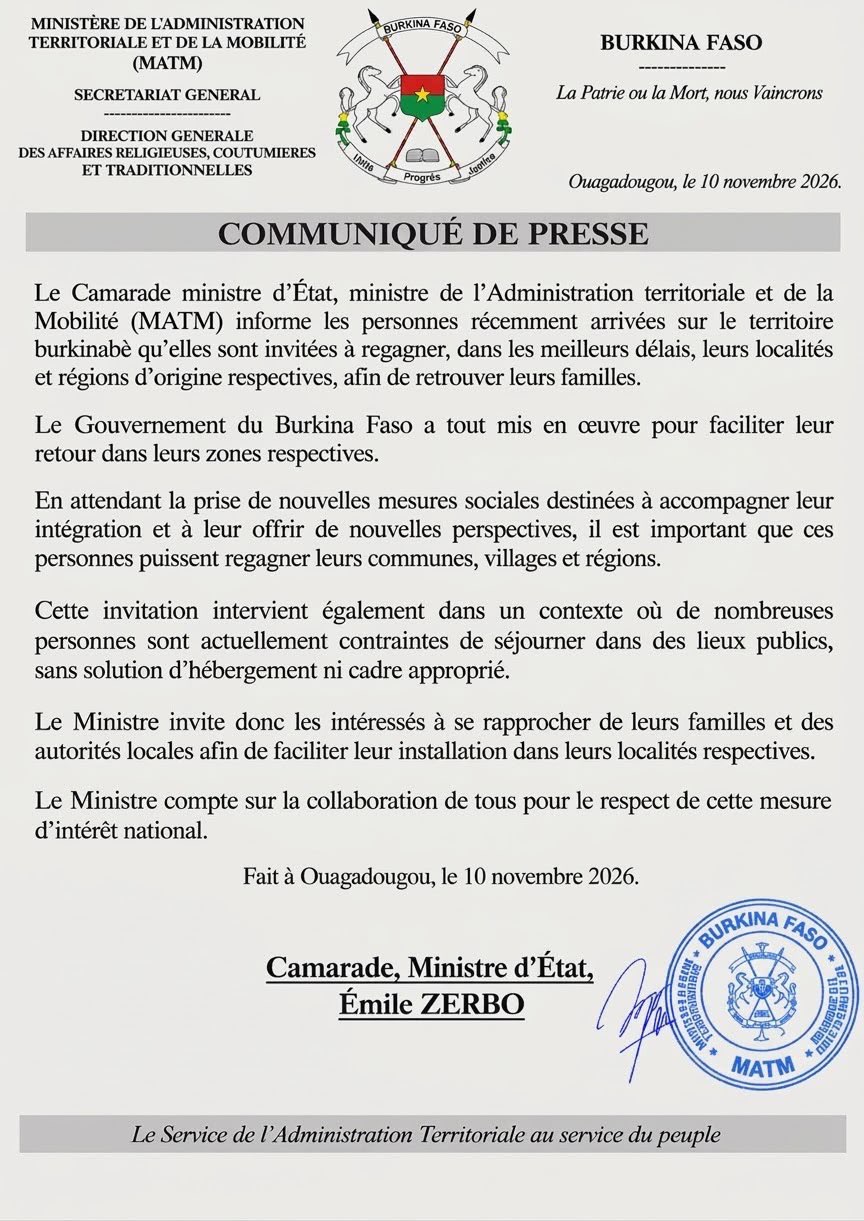
Rather than presenting a clear resettlement program with defined timelines, identifiable funding, and measurable outcomes, authorities have instructed the miners to leave the streets, return to their villages, and reunite with their families. This response resembles a short-term fix for the immediate aftermath of their return rather than a viable economic rehabilitation strategy.
The contradiction between rhetoric and economic reality for returning miners
These young men did not migrate to Guinea out of mere adventure. Many turned to artisanal gold mining as their primary or only source of income, sustaining not only themselves but often entire families. Their expulsion is not merely a geographic displacement; it represents a sudden loss of livelihood, financial instability, and, for some, the collapse of economic projects that supported dependents back home.
Once back in Burkina Faso, the pressing questions are immediate and urgent: Do they have access to employment? Do they possess the financial means to restart an activity? Can they rely on structured support to escape long-term precarity? The government’s failure to address these concerns risks reducing its citizens to a state of unresolved unemployment, economic vulnerability, and lingering hardship issues that cannot be resolved by administrative directives alone.
The gap between resource control and citizen opportunity
Since assuming power, Ibrahim Traoré’s administration has framed its political identity around reclaiming natural resources, achieving economic sovereignty, and ensuring Burkinabè benefit from their country’s wealth. Yet this narrative now clashes with a glaring inconsistency. If Burkina Faso possesses vast mineral resources and asserts control over its gold sector, why do so many of its citizens face economic uncertainty after being forcibly returned from neighboring Guinea?
Sovereignty, in this context, should not be confined to industrial mining control, nationalization declarations, or critiques of foreign interests. It must also translate into tangible opportunities: jobs, income, and economic prospects for the population. A nation may assert ownership of its gold, but that assertion rings hollow if its people lack access to meaningful pathways out of poverty. The true test of sovereignty lies in transforming national wealth into visible improvements in daily life.
Why proposed alternatives like farming and livestock aren’t simple solutions
Official recommendations for reconversion include agriculture, livestock, craftsmanship, vocational training, and the organization of miners into cooperatives. While these avenues may appear viable on paper, they are neither automatic nor universally applicable solutions.
Transitioning from artisanal gold mining to farming requires arable land, equipment, seeds, technical guidance, and stable markets. Livestock demands start-up capital, veterinary services, infrastructure, and commercial networks. Artisans need production tools and consumer demand for their goods. Without these critical resources, empty directives do little more than shift expectations from one sector to another without solving the underlying economic void.
Similarly, cooperatives proposed without funding, equipment, or operational frameworks offer no sustainable remedy. Short-term training with no financial backing ensures no real job placement. These measures risk becoming hollow gestures empty slogans disguised as policy.
What sustainable reconversion demands
Accessible land for agriculture or livestock development
Direct financial support or microcredit for starting new ventures
Structured vocational training with follow-up tracking
Functional market systems to absorb new goods and services
Long-term monitoring to assess progress beyond six months or a year
The absence of clear answers to these questions reveals the gap between political announcements and genuine public policy.
The critical role of financing in economic recovery
The central obstacle to reconversion is capital access. Many returning miners have lost their primary income source and may have depleted personal savings to finance their return. Asking them to start from zero without structured financial support is unrealistic and unsustainable.
A viable resettlement program must include startup funds, microfinance mechanisms, public guarantees, and entrepreneurial guidance. It must also acknowledge diverse skill sets distinguishing those with agricultural experience from those without. Without this differentiation, reconversion becomes not a solution but a directive: abandon gold mining and figure out the rest on your own.
This situation carries profound social consequences. Behind each expelled miner may be dependents, school-aged children, financial obligations, and families whose stability depended entirely on those earnings. The loss of a livelihood can trigger cascading hardships that extend well beyond the individual.
Aligning mining policy with the needs of small-scale operators
The government’s push for mineral sovereignty cannot succeed if it ignores the plight of artisanal miners the very workers who powered much of the informal gold economy. If Burkina Faso seeks to formalize and regulate the sector, it must create a model that allows former miners to regain legal, profitable livelihoods.
This requires establishing regulated artisanal mining sites, improving safety standards, facilitating functional cooperatives, and creating official gold purchasing channels. Such measures would not only preserve economic activity but also curb clandestine operations, reduce accident risks, and minimize environmental damage caused by unregulated mining.
The irony would be profound if a nation asserting control over its natural resources failed to provide a viable economic future for the thousands who once depended on artisanal gold mining for survival.
The defining test for Ibrahim Traoré’s leadership
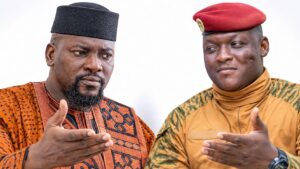
The crisis of expelled miners returning from Guinea has become a decisive moment for Ibrahim Traoré’s administration. It demands more than denunciations of foreign decisions or defense of national dignity. It requires concrete action to address the daily hardships faced by ordinary citizens.
Protesting their expulsion is just the first step. The true measure of leadership lies in preparing for the future of returnees once they are back on Burkinabè soil. Will they find meaningful employment in the coming months? Will they secure funding for reconversion? Will government programs lift them out of poverty, or will they be left to navigate uncertainty alone?
Until these questions receive clear, actionable answers, the promises of economic sovereignty will remain unfulfilled rhetoric rather than a pathway to lasting change. The real challenge is not that miners were expelled it is that, upon return, they may face the same economic dead ends that drove them abroad in the first place.
Traoré has framed sovereignty as the answer to Burkina Faso’s hardships. Now he must prove it by delivering tangible improvements not in declarations, but in the daily lives of citizens in villages across the nation. The test of true sovereignty lies in action, not words.
By Idriss MAMADOU — Journalist