
Why Côte d’Ivoire invited the FBI—behind the scenes of a high-stakes cybercrime investigation
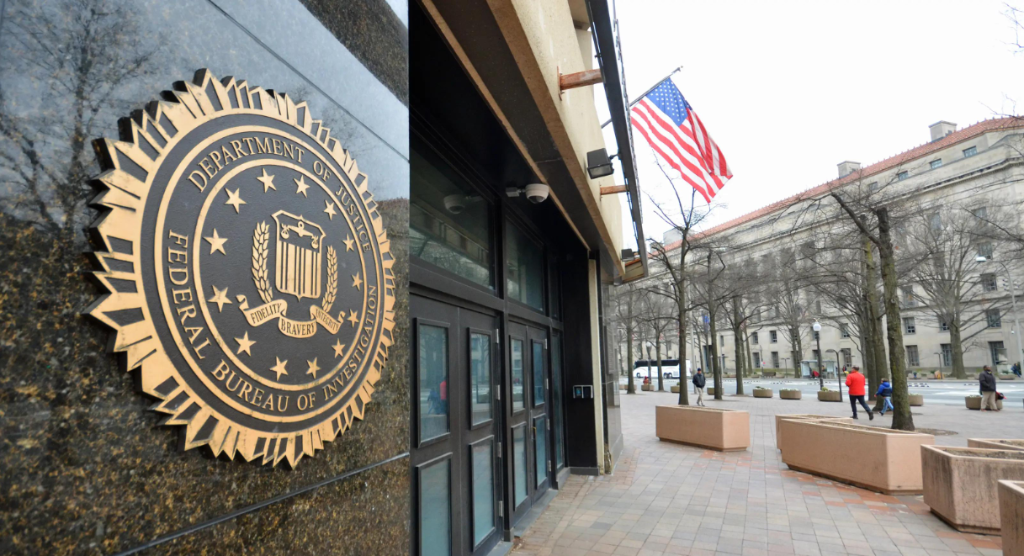
The arrival of Federal Bureau of Investigation (FBI) agents at the Abidjan Economic and Financial Crime Unit (Pôle pénal économique et financier, PPEF) has sparked heated debates across Côte d’Ivoire. While some speculate that this collaboration signals deeper concerns—such as domestic corruption within the PPEF—Justice Minister Jean Sansan Kambilé has stepped forward with a clear explanation. The FBI’s presence, he confirms, is not about investigating Ivorian officials but about dismantling transnational cybercrime networks, particularly those behind sextortion schemes targeting U.S. victims from Abidjan.
This revelation sheds light on a covert yet critical partnership, one that balances international cooperation with domestic sovereignty concerns. The FBI’s role in Côte d’Ivoire is not just operational—it’s strategic, addressing a form of cybercrime that has left American victims in crisis and drawn Washington’s scrutiny toward West Africa.
Unpacking sextortion: how Abidjan became a hub for global cybercrime
The core of this cooperation lies in a disturbing trend: sextortion. This cybercrime involves perpetrators coercing victims into sharing intimate content, then exploiting it for financial gain. Perpetrators often groom victims through social media, cultivating trust before demanding payment under the threat of exposing private materials.
According to the Minister of Justice, multiple American victims have fallen prey to networks operating from Côte d’Ivoire. The consequences have been severe, with reported cases of psychological trauma and even suicide. The FBI’s involvement reflects the urgency of tackling this crime, which transcends borders and requires cross-border investigative support.
To date, joint operations have led to the arrest and prosecution of nearly a dozen suspects, with ongoing investigations into related money laundering activities—a crime closely linked to cyber-enabled extortion.
The birth of the Task Force: merging Ivorian justice with American expertise
The collaboration between Côte d’Ivoire and the U.S. is not ad-hoc. It’s formalized through a dedicated joint task force, bringing together prosecutors, investigators from the PPEF, and FBI agents. This structure ensures seamless coordination, enabling real-time intelligence sharing and synchronized operations.
Minister Kambilé emphasized that the Task Force operates within a defined legal framework. FBI agents do not hold autonomous judicial powers in Côte d’Ivoire; instead, they assist in investigations under the supervision of Ivorian authorities. Their role includes identifying suspects, gathering evidence, and supporting the judicial process—all while adhering to national laws.
Since its inception, the Task Force has achieved measurable results. Cases have been resolved, arrests made, and convictions secured. Beyond sextortion, the collaboration has targeted money laundering networks, reinforcing Côte d’Ivoire’s commitment to combating transnational financial crime.
The GAFI factor: how this partnership changed Côte d’Ivoire’s global standing
The government points to another key outcome: Côte d’Ivoire’s removal from the Financial Action Task Force (GAFI) greylist. The enhanced cooperation with the FBI and other international partners played a role in demonstrating the country’s progress in clamping down on financial crimes, including cyber-enabled fraud.
This shift in global perception reflects a broader narrative—one where Côte d’Ivoire is positioning itself as a proactive player in the fight against cybercrime, rather than a passive transit point for illicit activities.
Addressing accusations: separating fact from fiction in the PPEF controversy
Recent media reports suggested a scandal involving corruption within the PPEF, fueled by allegations of FBI-sourced intelligence aiding a domestic investigation. The Ministry of Justice swiftly denied these claims, stating that no such FBI-led inquiry exists and that no gendarmerie investigation targeting PPEF officials is underway.
The clarification underscores a crucial distinction: the FBI’s role is strictly limited to combating cybercrime and financial fraud involving international victims and networks. Any suggestion of U.S. interference in domestic judicial affairs is unfounded, according to official sources.
Sovereignty in question: where does judicial authority begin and end?
Despite the clarity of the government’s stance, debates persist over the implications of foreign agents operating within a national judicial institution. Critics question the extent of FBI powers, the legal safeguards in place, and whether this partnership risks eroding Ivorian judicial autonomy.
Proponents, however, argue that international cooperation in cybercrime is not just necessary—it’s inevitable. Cybercriminals operate across jurisdictions, exploiting gaps in legal frameworks. In such cases, partnering with agencies like the FBI allows countries like Côte d’Ivoire to access advanced investigative tools and expertise that would otherwise be out of reach.
The key to resolving the debate lies in transparency. The Ivorian government has begun publishing periodic updates on the Task Force’s activities, arrests, and case outcomes. Such disclosures are essential to maintaining public trust and ensuring that cooperation aligns with national interests.
Looking ahead: balancing security, transparency, and sovereignty
The presence of the FBI in Abidjan is more than a diplomatic gesture—it’s a reflection of a changing security landscape. As cybercrime evolves into a global threat, nation-states must adapt. For Côte d’Ivoire, this means leveraging international partnerships without compromising domestic authority.
The Task Force model offers a potential blueprint: a fusion of localized judicial rigor with global investigative reach. As the partnership matures, the challenge for Abidjan will be to maintain this balance—ensuring that every arrest, every conviction, and every dollar seized reinforces both security and sovereignty.
For now, the FBI remains a silent but critical partner in Côte d’Ivoire’s fight against sextortion. Whether this collaboration will serve as a model for other African nations remains to be seen. What is clear, however, is that in the digital age, justice is no longer bound by borders—and neither are its pursuers.