
Unplanned transition at the heart of US-Russia relations
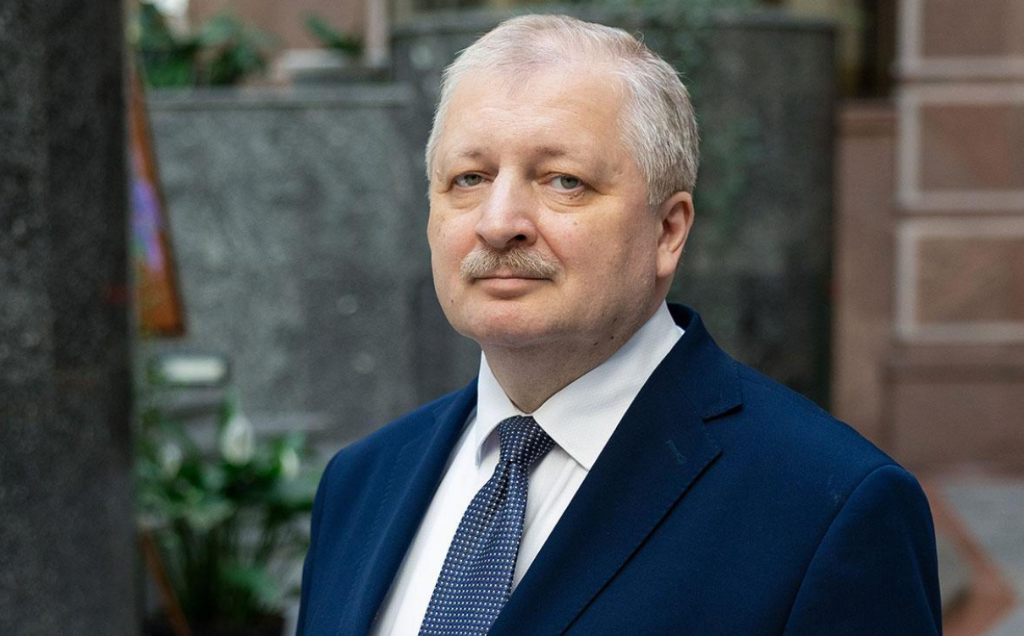
Alexei Dartchev, Russia’s ambassador to the United States since March 2025, has died at the age of 66. The announcement from Moscow’s foreign ministry landed without warning in the middle of escalating international tensions. The lack of detail in the initial statement immediately raised questions about how—and why—one of Russia’s most experienced envoys would leave the stage so abruptly.
Key takeaway: Moscow’s diplomatic apparatus now faces a sudden leadership void at a moment when every interaction with Washington could shape the trajectory of the Ukraine war, sanctions policy, and global security.
The diplomat who knew Washington better than most
Dartchev was not a newcomer to North American diplomacy. Before taking the Washington post, he served as Russia’s ambassador to Canada from 2014 to 2021. Earlier in his career, he held senior roles at the Russian foreign ministry focusing on US relations, earning deep insight into the intricacies of Capitol Hill, the State Department, and the White House.
The Kremlin’s decision to appoint him just months after Donald Trump’s return to the presidency signaled Moscow’s intent to keep communication channels open. His posting came at a time when both sides were testing new diplomatic openings while the conflict in Ukraine continued to strain ties.
The layers of mistrust shaping Dartchev’s mission
The backdrop of his tenure was anything but calm. The war in Ukraine, Western sanctions, European security debates, arms-control disputes, and broader geopolitical rivalries created a thick fog over every negotiation. Dartchev’s role was to cut through that fog—to represent Moscow’s interests while trying to prevent further escalation.
What happens when a strategic embassy loses its anchor?
All diplomatic missions rely on institutional memory and trusted voices. Dartchev’s sudden death strips the Russian embassy in Washington of one of its most seasoned operators. While the foreign ministry has stated that embassy functions will continue, the search for a successor takes on added significance.
The choice of replacement may reveal Moscow’s near-term priorities. A seasoned North America hand would signal continuity, while a figure with a different profile could hint at a shift in tone or strategy toward the United States.
A death shrouded in partial clarity
Initial reports described Dartchev’s passing as sudden but offered no further explanation. Later statements from Foreign Ministry spokeswoman Maria Zakharova clarified that he died in Moscow after a prolonged but unspecified chronic illness. Without additional medical details or any indication of external factors, the official account remains the only narrative available.
Rumors and speculation have inevitably followed, but no credible evidence has emerged linking his death to his diplomatic duties or to any covert activity.
Why Washington matters to Moscow’s global posture
Even amid deep diplomatic rifts, embassies remain lifelines. They provide channels for crisis management, backchannel talks, and the quiet diplomacy that often prevents open confrontation. For the Kremlin, the Washington embassy is the frontline in shaping how the White House views Moscow’s actions and intentions.
Dartchev’s departure removes a voice that understood both the substance and the tone required to navigate US-Russia relations. His loss arrives at a juncture where global power balances hinge on the ability of both capitals to read each other’s signals correctly.
The human cost behind the geopolitical headline
At 66, Dartchev was at the peak of his diplomatic career. His experience spanned postings from Ottawa to the highest levels of the foreign ministry. Yet the weight of representing Russia in a city where every word is scrutinized—and where missteps can escalate into crises—was immense.
Moscow now faces the dual challenge of filling a critical post while preserving the delicate balance between confrontation and dialogue that defines its relationship with the United States.