
Behind the headlines: what led to Serge Mathurin Adou’s two-year detention
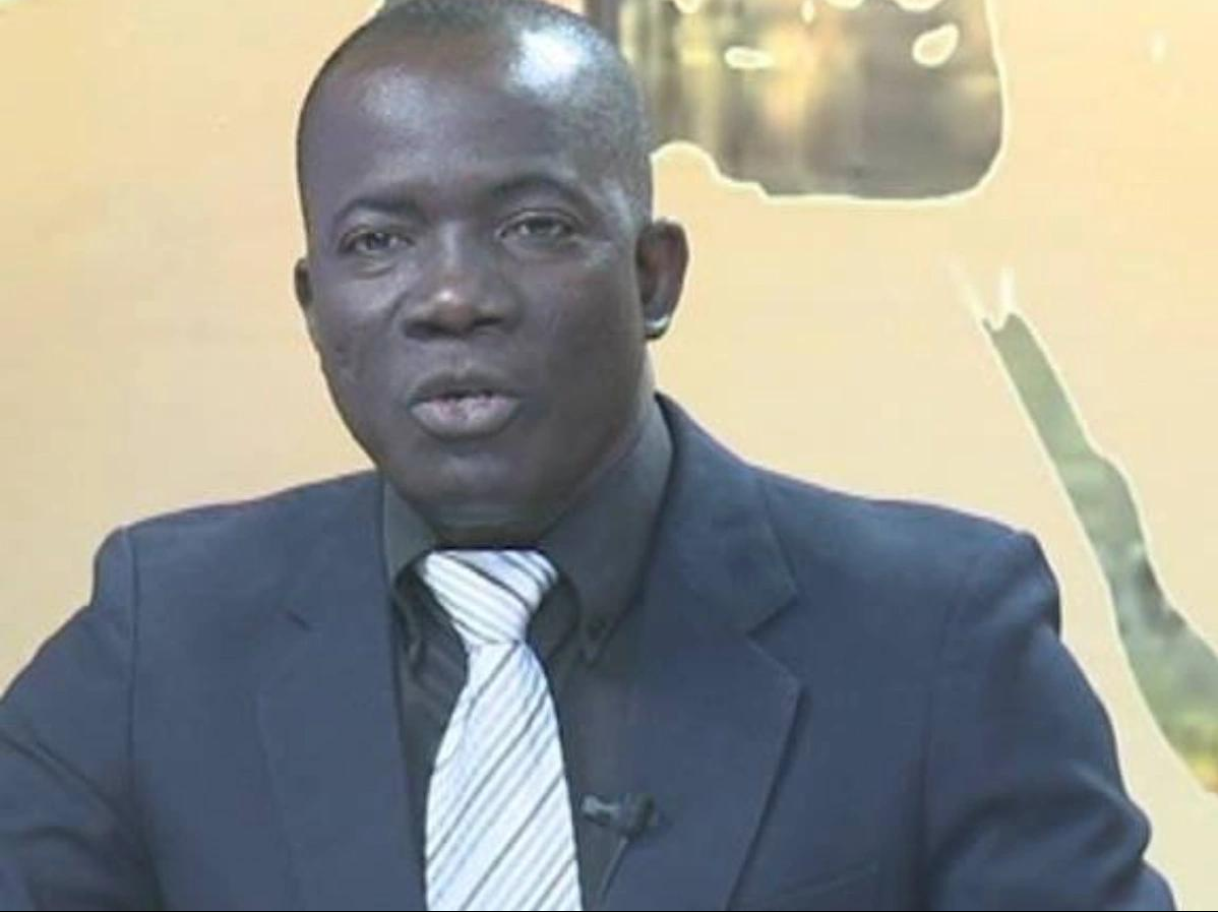
The release of Nigerien-Ivorian journalist Serge Mathurin Adou on November 11, 2026, brought an end to a harrowing two-year ordeal. His arrest in September 2024, initially shrouded in mystery, stemmed from a Burkina Faso security alert linking him to an alleged destabilization plot against Burkina Faso’s transitional authorities. However, the Nigerien judiciary framed the case under national security laws, underscoring the delicate intersection of regional tensions and domestic media repression that has intensified since the July 2023 military takeover.
From disappearance to conviction: the judicial timeline
Journalist Serge Mathurin Adou vanished after reporting to Niamey’s judicial police on September 1, 2024, with no further contact for weeks. On September 23, Burkina Faso’s Security Minister Mahamadou Sana publicly named him among suspects in a suspected coup plot targeting Burkina Faso’s Captain Ibrahim Traoré. Though the Burkina Faso allegations were never substantiated, Nigerien authorities pursued the case domestically, charging him with endangering state security.
His arrest marked a turning point in how authorities handled sensitive cases involving journalists. On November 11, 2024, he was formally indicted, and by November 21, 2025, a Niamey court sentenced him to two years in prison despite prosecutors requesting a 20-year term. His eventual release on November 11, 2026, thus reflects not only legal relief but also broader questions about due process and media freedom in Niger’s evolving political landscape.
Why press freedom in Niger is still at risk after a high-profile release
The broader deterioration of media freedom in Niger has been underway since General Abdourahamane Tiani’s takeover on July 26, 2023. While Adou’s case draws international attention, it is part of a systemic pattern: arrests, media suspensions, and self-censorship have become routine. Independent monitors have repeatedly documented these trends, noting how journalists now tread lightly when covering security or political issues due to fear of reprisal.
Cases such as those involving Samira Sabou, Ousmane Toudou, and Soumana Maïga have further chilled the media environment. Beyond individual targets, structural attacks—like the January 2024 suspension of the Maison de la presse and restrictions on international outlets—have crippled professional representation and access to pluralistic information. These measures are not isolated incidents but part of a coordinated strategy to control narratives and suppress dissent.
Ranking decline: how Niger’s press freedom plummeted under military rule
The erosion of media freedom is vividly reflected in Reporters Without Borders’ (RSF) World Press Freedom Index. In 2025, Niger ranked 83rd out of 180 countries. By 2026, it had fallen to 120th, a staggering drop of 37 places in just one year. RSF explicitly links this decline to the July 2023 coup, citing worsening political, economic, legal, and security pressures on journalists. The classification signals not just a temporary setback but a structural crisis threatening the ability of the press to operate independently, investigate public decisions, and inform citizens without fear.
What Adou’s release means for journalism in Niger
Serge Mathurin Adou’s freedom is a personal victory for his family and a moment of hope for fellow journalists. Yet this relief must not obscure the deeper crisis facing the profession. Many reporters remain behind bars, suspended outlets struggle to resume operations, and others avoid sensitive topics altogether. In a region grappling with escalating security threats and political instability, the public’s right to independent, accurate information is more vital than ever.
Protecting national security does not justify trampling on fundamental rights or judicial guarantees. The challenge for Niger’s authorities now is to reconcile legitimate security imperatives with the constitutional duty to uphold press freedom. Until then, Adou’s release—though welcome—remains a symbolic gesture rather than a sign of systemic change. For Niger’s journalists, the path to true freedom is still long and uncertain.