
Political analysis
Cameroon’s extended presidential absence: legal reality vs public perception
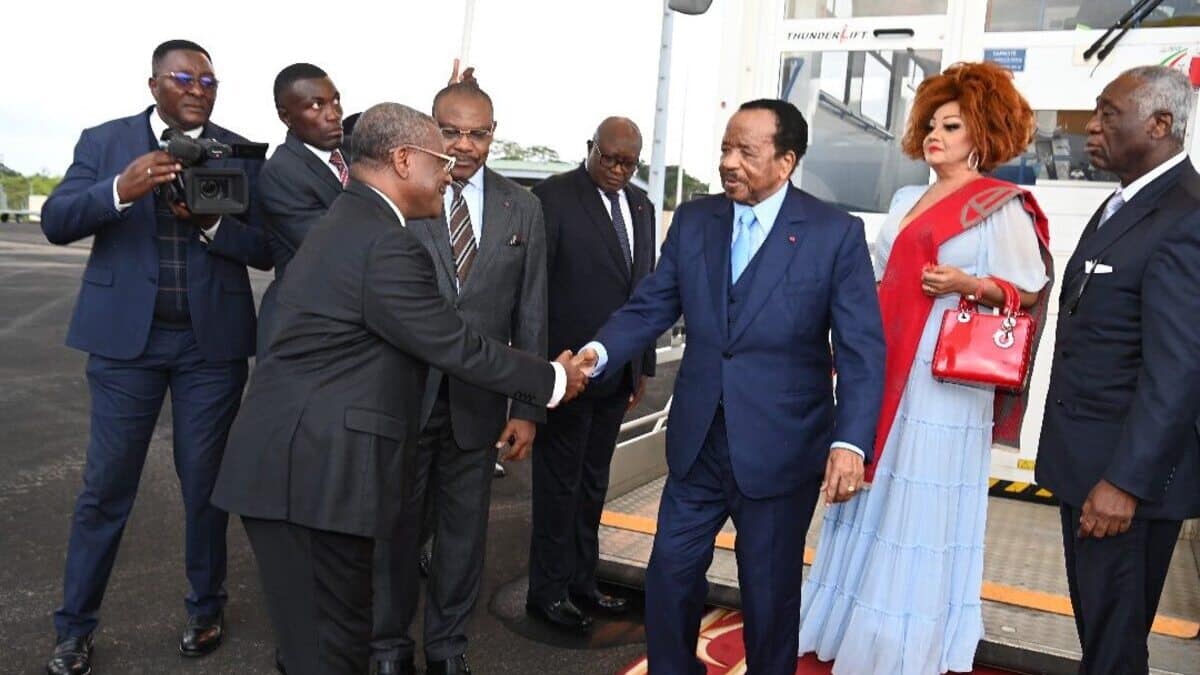
In a Monday political editorial aired on Radio Tiémeni Siantou (90.5 FM Yaoundé and Bafang), commentator Eric Boniface Tchouakeu questions the implications of President Paul Biya’s prolonged private stay in Europe.
Since June 7, 2026, the Cameroonian head of state has been abroad under the guise of a ‘short private visit’, as announced by his Cabinet Director Samuel Mvondo Ayolo.
Reports from regional media outlets confirm his presence in Geneva, Switzerland—a location familiar to the veteran leader since assuming office in 1982. What began as a brief trip has stretched into weeks, fueling intense public debate about the 93-year-old president’s health despite repeated reassurances from government officials.
Speculation has reached fever pitch, with some suggesting the possibility of a power vacuum in Cameroon. However, constitutional experts emphasize that the legal framework does not recognize prolonged absence abroad as grounds for declaring a vacancy in power. According to Cameroon’s 1996 constitution, a vacancy can only occur in three specific scenarios: death, resignation, or definitive incapacitation of the sitting president.
Crucially, neither the constitution nor any statutory law defines what constitutes ‘definitive incapacitation’, leaving this critical determination open to interpretation. This ambiguity means that a president could theoretically rule remotely for the entire duration of their mandate without violating legal provisions—though such prolonged absence raises serious questions about political ethics and transparency.
The current situation is exacerbated by delays in government formation following the October 2025 presidential election and the rushed reinstatement of the vice-presidential position. These factors have intensified public scrutiny of Biya’s extended absence, particularly as the president has historically signed major decrees only from within Cameroon during his 43-year tenure.
The discrepancy between legal provisions and public perception highlights a growing tension between constitutional procedure and democratic expectations in Cameroon’s evolving political landscape.
Be the first to comment


Comments