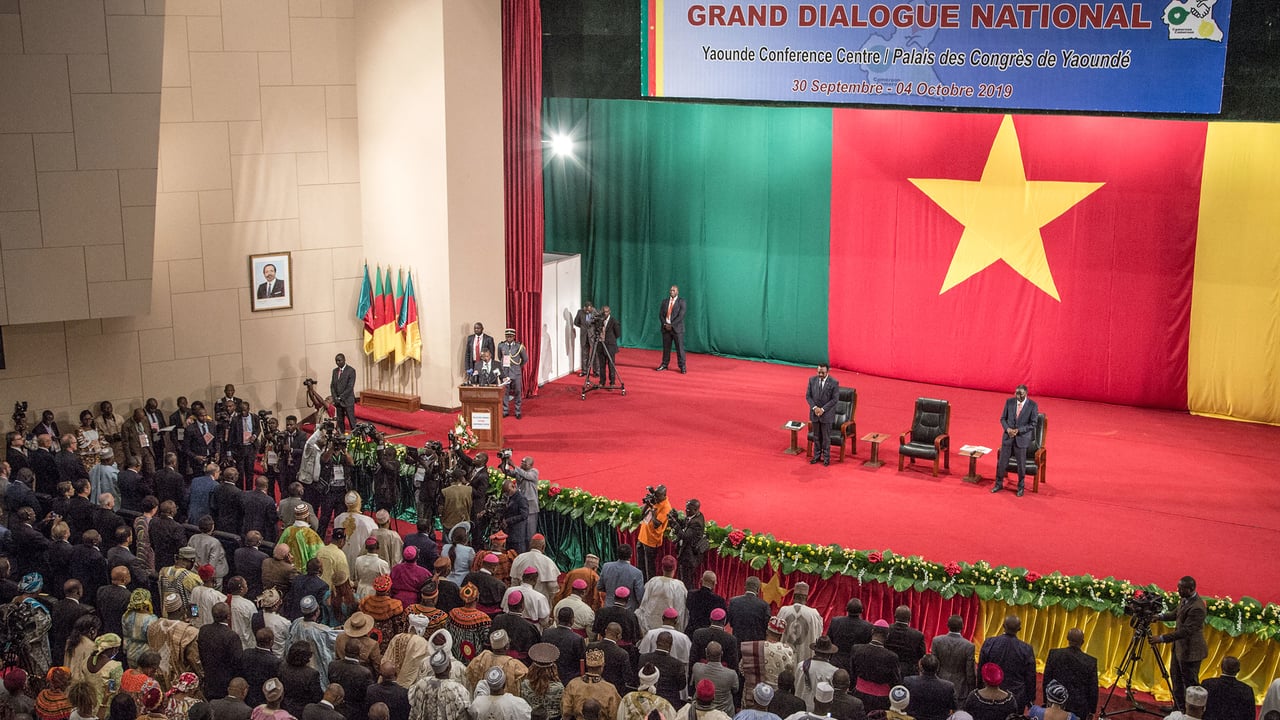


The question of whether Cameroon can revert to a federal system has resurfaced amid persistent debates over governance and regional autonomy. This debate gained momentum following a national dialogue initiated in 2019, aimed at addressing the deep-rooted crisis in the country’s Anglophone regions. However, the absence of key separatist leaders derailed hopes for a breakthrough.
Historical roots of the federal question in Cameroon
The idea of federalism in Cameroon traces back to the early years of independence, rooted in the country’s dual colonial heritage. After gaining independence in 1960, Cameroon unified under a federal structure, blending the former British Southern Cameroons with the French-administered territory. Yet, this framework was dismantled in 1972, when President Ahmadou Ahidjo pushed for a centralized unitary state under a new constitution.
Key moments in Cameroon’s political evolution
- 1961: Cameroon reunites under a federal system, combining two distinct administrative traditions.
- 1972: President Ahmadou Ahidjo abolishes the federal structure, replacing it with a centralized government.
- 1982: Paul Biya assumes leadership, maintaining the unitary system but introducing minor decentralization reforms.
- 2019: A national dialogue is launched to address the Anglophone crisis, reigniting discussions on federalism.
Why federalism is back on the table
The ongoing conflict in the Northwest and Southwest regions has intensified calls for greater regional autonomy. Separatists argue that a federal system would grant the Anglophone regions more control over their resources and policies. Meanwhile, some political analysts suggest that federalism could serve as a compromise to ease tensions and foster national unity.
Arguments in favor of federalism
Advocates of federalism highlight several potential benefits:
- Greater autonomy: Regions could manage local affairs, including education and justice systems, aligning with their unique cultural and linguistic identities.
- Resource control: Federalism could allow regions to retain more revenue from local resources, reducing disparities in development.
- Conflict resolution: A federal structure might provide a framework for addressing grievances and reducing separatist pressures.
Challenges to implementing federalism
Despite the growing support, federalism faces significant hurdles:
- Political resistance: The central government, led by President Paul Biya, has historically opposed federalism, favoring a strong centralized state.
- Skepticism among separatists: Many separatist leaders remain unconvinced that federalism would address their demands for independence.
- Constitutional barriers: Revising the constitution to restore federalism would require broad political consensus, which is currently lacking.
Public sentiment and political dynamics
Public opinion on federalism remains divided. While some citizens in the Anglophone regions strongly support it, others in the Francophone majority express concerns about potential fragmentation. Political parties and civil society groups continue to debate the merits of federalism, with no clear path forward.
Voices from the ground
Grassroots movements and intellectuals have amplified the federalism debate. Some argue that the current crisis demands bold solutions, while others caution against destabilizing the country further. The government’s approach to the Anglophone crisis—marked by dialogue and repression—has yet to yield lasting results.
What’s next for Cameroon’s governance model?
The path to federalism, if pursued, would require careful negotiation and compromise. With the 2019 national dialogue ending in stalemate, the question remains: Can Cameroon find a way to reconcile its regional divides while preserving national cohesion?
As the debate continues, the future of Cameroon’s governance structure hangs in the balance, with federalism emerging as a potential solution—or a divisive flashpoint.