Centrafrique whisteblower denied asylum in France despite Wagner revelations
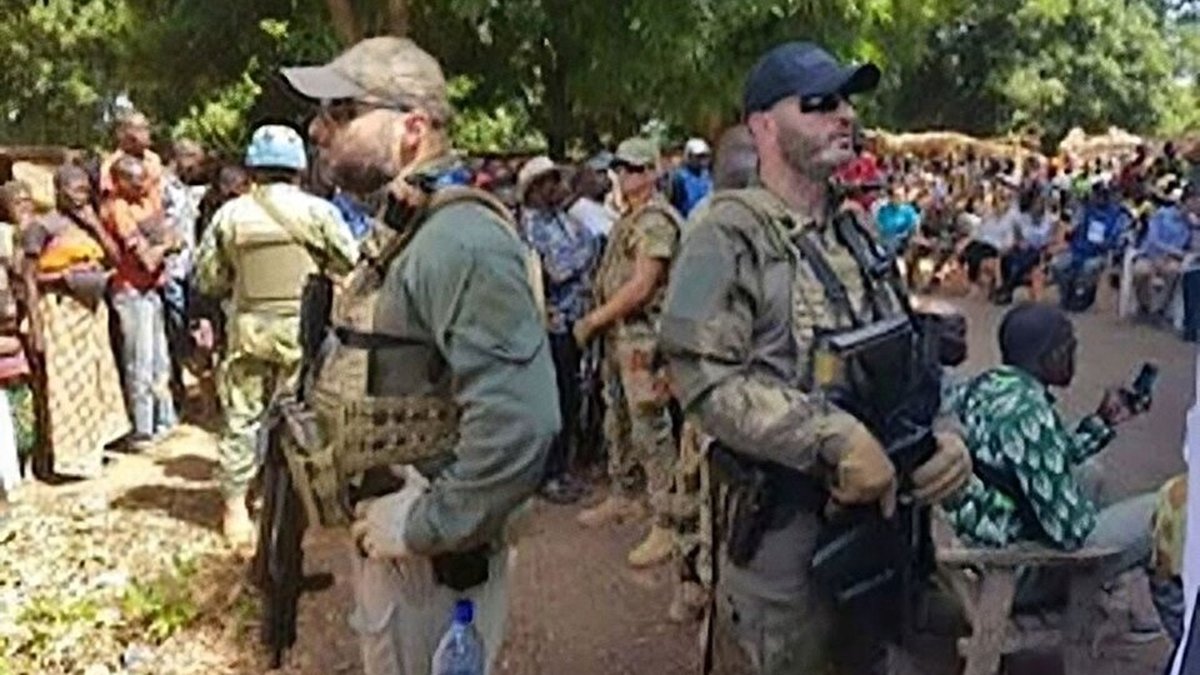
In a striking turn of events, a Central African journalist who exposed the operations of the Wagner Group in his country has been denied asylum in France. Ephrem Yalike-Ngonzo, whose revelations shed light on Russian disinformation campaigns linked to the paramilitary group, had been granted a special pass by French authorities in 2024 to enter the country. Yet, his recent asylum application was rejected, sending a chilling message to others fighting against Kremlin-backed propaganda.
The journalist’s legal team has described the decision as a “deeply alarming signal”, emphasizing that it undermines efforts to counter Russian influence operations in Africa. Yalike-Ngonzo, who fled Central Africa after receiving death threats from Wagner-affiliated forces, had been living in France under temporary protection since 2024. His revelations played a key role in triggering European sanctions against a key Russian propagandist in the region.
From paid disinformation to life on the run
Yalike-Ngonzo’s journey from a local reporter to a whistleblower began in late 2019, when he was approached by operatives seeking to amplify pro-government and pro-Russian narratives in the Central African Republic. For each article published in favor of the Central African army and its Russian allies, he received payments ranging from 15 to 30 euros—a sum equivalent to nearly a quarter of his monthly salary at the time.
However, by 2024, his conscience led him to collaborate with a major international investigation into Russian influence campaigns in Africa. His testimony exposed the inner workings of Wagner’s propaganda machine, prompting swift retaliation. Death threats from Wagner-linked operatives forced him into exile, and he sought refuge in France, where he was initially granted protection under a special arrangement facilitated by French authorities.
Legal battle and ongoing risks
On July 9, his legal representatives filed an appeal with France’s National Asylum Court, seeking to overturn the rejection of his asylum claim. If the appeal fails, the decision could leave him and his family in legal limbo for up to a year before a final ruling is issued. For now, Yalike-Ngonzo remains in hiding in France, while his relatives back in the Central African Republic face repeated interrogations and pressure to disclose his whereabouts.
The case underscores the precarious position of whistleblowers who challenge powerful state-backed actors like Wagner, especially when their disclosures expose sensitive geopolitical operations. Despite international recognition of his contributions to exposing Russian influence in Africa, France’s refusal to grant him asylum raises serious questions about the country’s commitment to protecting those who risk everything to speak out.