
Chad withdraws from international criminal court amid us pressure
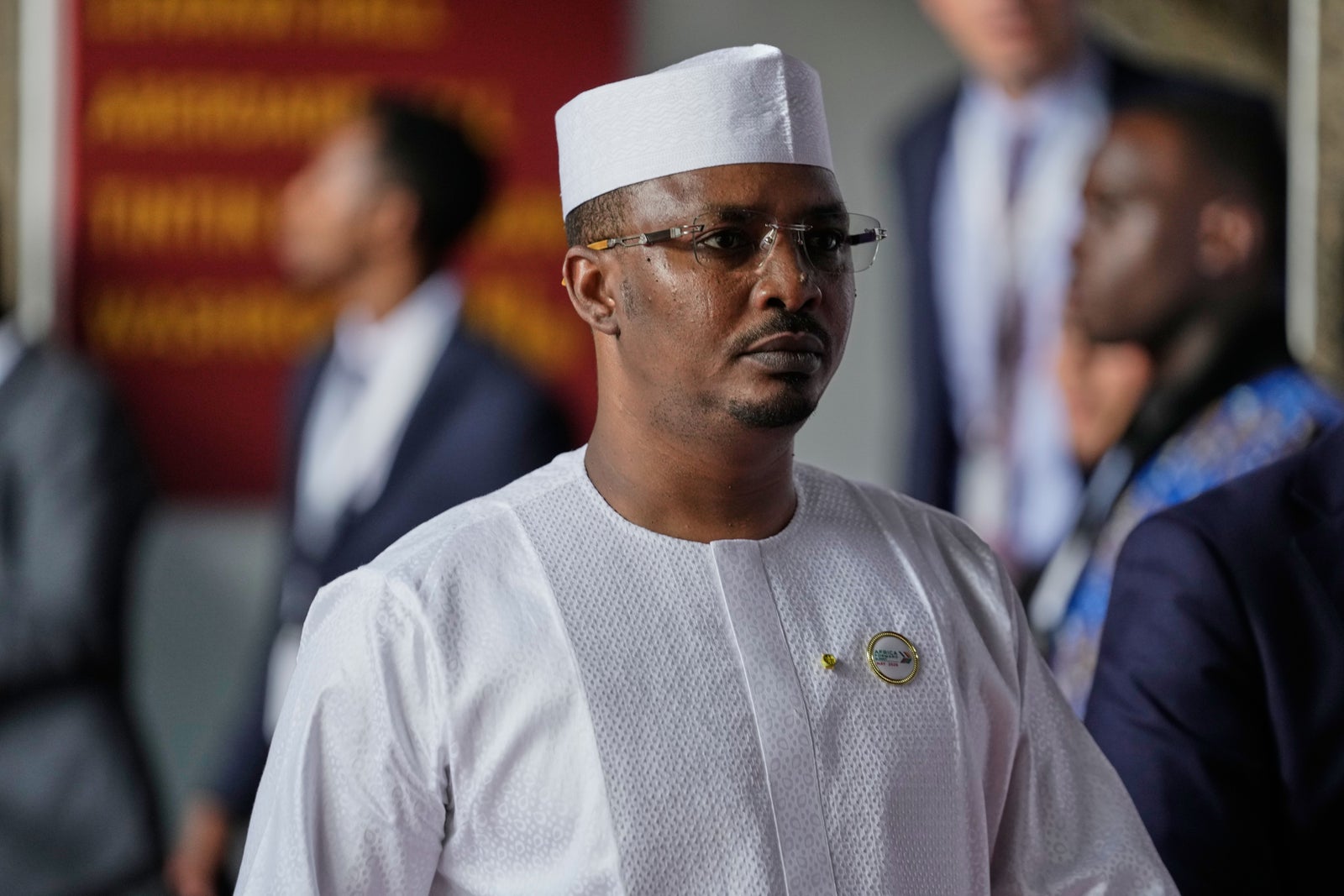
The government of Chad has formally announced its withdrawal from the International Criminal Court (ICC), citing concerns over its perceived uneven effectiveness and limited reach across different regions of the world.
In an official statement released by the spokesperson of the Chadian government, N’Djamena highlighted the court’s disproportionate focus on African nations, despite its global mandate. According to the communiqué, nine out of thirteen investigations initiated since the court’s establishment in 2002 have targeted African states, while only four have addressed situations elsewhere—with little tangible progress in these cases.

internal review and regional justice concerns
The decision follows an extensive internal review of the ICC’s operations, which the Chadian government described as “selective and inconsistent”. Officials pointed to the court’s current caseload, noting that only seven individuals remain in detention, six of whom are facing charges related to African conflicts.
This imbalance, they argued, undermines the court’s credibility and raises questions about its ability to deliver justice on a global scale. The government’s stance reflects growing frustration among African nations over what is widely seen as a systematic bias within international judicial institutions.
us involvement and diplomatic pressure
While N’Djamena insisted the move was not influenced by external actors, diplomatic sources revealed that the United States had privately urged Chad to reconsider its ICC membership during high-level talks. A senior U.S. State Department official expressed concerns over the court’s operations and advocated for a reassessment of Chad’s commitment to the Rome Statute.
The Chadian Foreign Minister, Abdoulaye Sabre Fadoul, later clarified that Washington’s input had not been the primary driver behind the decision. However, the timing of the announcement—following direct appeals from U.S. officials—has fueled speculation about broader geopolitical dynamics at play.
ongoing conflicts and international scrutiny
The withdrawal comes at a critical juncture, as Chad faces allegations of facilitating arms shipments to the Rapid Support Forces (RSF) in neighboring Sudan. Both the Sudanese military and multiple human rights organizations have accused N’Djamena of enabling the flow of weapons from the United Arab Emirates to the paramilitary group, which has been engaged in a devastating civil war since April 2023.
French legal expert Vincent Brengarth warned that Chad’s exit could hinder ongoing efforts to hold perpetrators accountable, particularly regarding alleged complicity in international crimes. “This decision weakens the global framework for justice and risks allowing the worst crimes to go unpunished,” he stated. The international community has repeatedly condemned the systematic targeting of civilians and indiscriminate bombings in Sudan’s conflict zones.
Chad’s withdrawal follows a similar move by Venezuela, which also cited a perceived geographic bias in the ICC’s proceedings. The South American nation’s foreign minister condemned what she described as a “disproportionate focus on African and Latin American cases”, diverting attention from other regions.