
The recent address by President Mahamat Idriss Déby Itno during Chad’s Independence Day celebrations on August 11 serves as a stark reminder of a long-standing political tactic: blending republican authority with calculated magnanimity to shape public perception. By spotlighting systemic issues like corruption and favoritism while dangling the prospect of presidential clemency, the central government deploys a carefully crafted narrative of change—one that masks deeper political calculations.
Dismantling the opposition’s playbook through rhetorical mastery
The first layer of this strategy involves co-opting the opposition’s own language. By labeling corruption and embezzlement as ‘obstacles to development,’ the head of state effectively disarms critics who demand systemic reform. This rhetorical maneuver allows him to pose as a champion of public interest while deflecting scrutiny from his administration’s performance since assuming power in April 2021.
Announcements of ‘sudden inspections’ and punitive measures create the illusion of decisive action, shifting blame for structural failures onto faceless subordinates. Yet, the underlying problems remain unaddressed, and the promise of accountability feels hollow without concrete follow-through.
Clemency vs. amnesty: the fine line that keeps dissent in check
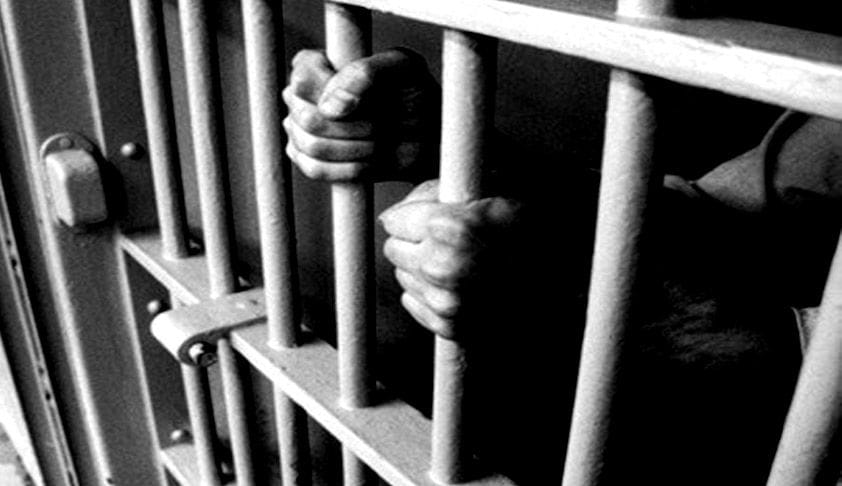
The heart of this political theater lies in the choice between clemency and amnesty. While amnesty erases legal infractions entirely—offering a clean slate for political rehabilitation—clemency merely suspends a sentence without absolving guilt. The distinction is critical. For the government, it means keeping a figurative sword hanging over the heads of pardoned opponents, restricting their future political aspirations and undermining their credibility as leaders of dissent.
This unilateral display of power reinforces the president’s dominance. Social peace, in this framework, is not the outcome of negotiation but a gift bestowed from above—a subtle reminder that dissent comes at a price. The beneficiaries of clemency are left in a precarious position: grateful for the pardon but forever indebted and constrained.
Uneven justice: the double standard that deepens divisions
A closer look reveals a stark disparity in how different forms of opposition are handled. Armed factions have, at times, been extended amnesty under the banner of national reconciliation and transition. Meanwhile, leaders of peaceful democratic movements—such as those aligned with the Les Transformateurs movement—face judicial persecution and marginalization under heavy accusations.
This two-tiered approach fuels perceptions of favoritism and targeted repression, risking further fragmentation along regional or identity lines. Historical precedents in national reconciliation efforts underscore that sustainable peace requires inclusive dialogue, equitable treatment of all parties, and transparent mechanisms—not selective acts of clemency designed to neutralize critics.
Empty promises in the face of hardship
The president’s rhetoric often includes nods to critical needs like clean water, reliable electricity, infrastructure, and judicial reform. Yet these acknowledgments ring hollow without tangible commitments, concrete timelines, or measurable goals. Acknowledging suffering is not the same as solving it.
Ultimately, this address can be read as a calculated media operation—one designed to occupy the public discourse through emotional appeal and the veneer of consensus. Beneath the conciliatory language, however, lies a clear intent: to preserve the political upper hand while giving the impression of progress. The message is clear: Chad’s path to stability is not a negotiation but a grant, bestowed by the president’s will alone.