
Ebola outbreak spreads to sixth province in Democratic Republic of Congo
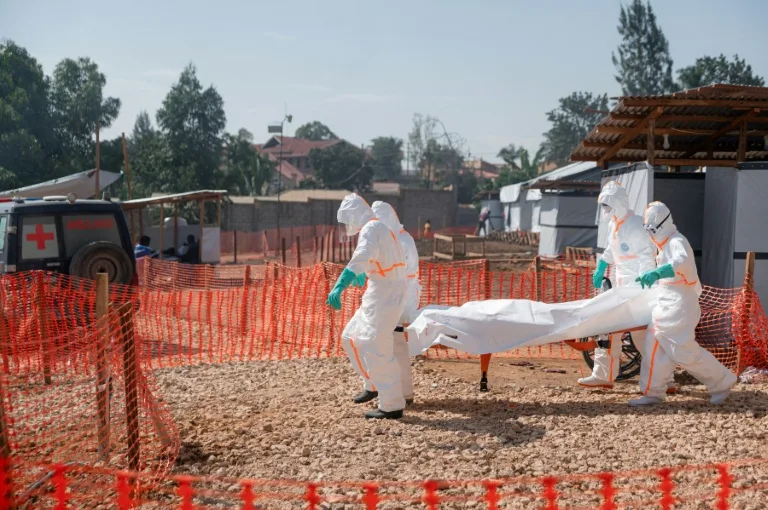
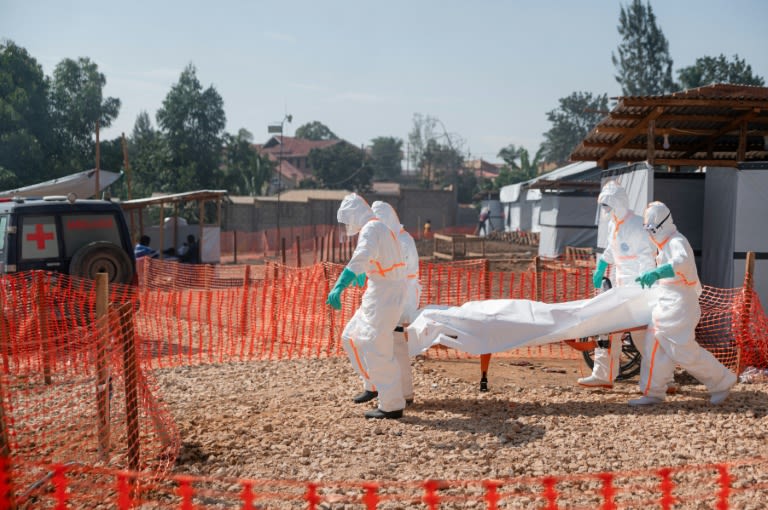
The Ebola epidemic in the Democratic Republic of Congo (DRC) has now reached a sixth province, heightening concerns of further spread to neighboring South Sudan. This outbreak is rapidly becoming one of the deadliest in the country’s history.
The DRC declared its 17th Ebola outbreak on May 15, weeks after initial cases were detected. Health authorities had already classified this as the most severe outbreak in the nation’s history.
The previous deadliest Ebola outbreak in the DRC occurred between 2018 and 2020, resulting in nearly 2,300 deaths out of 3,500 reported cases.
As of the latest official update, the current outbreak has claimed over 2,128 lives from 4,566 confirmed cases—just three months after the declaration. This represents seven times more cases and five times more fatalities than the first three months of the 2014 West Africa Ebola outbreak, the deadliest on record globally.
Bas-Uélé becomes the sixth affected province
Until recently, five provinces in the DRC were battling Ebola: Ituri (bordering Uganda and South Sudan), North Kivu, South Kivu, Haut-Uélé, and Tshopo. Now, the disease has claimed a life in Bas-Uélé, a northern province bordering the Central African Republic that had previously remained unaffected.
The victim had traveled from Haut-Uélé, a neighboring province already reporting Ebola cases, according to Africa CDC Director General Jean Kaseya, who addressed journalists during an online briefing. The Africa CDC has warned that the spread of Ebola is occurring at an unprecedented pace worldwide.
Threat of cross-border transmission to South Sudan
Humanitarian organization Mercy Corps has raised alarms about the high risk of the virus spreading to South Sudan, which borders Ituri and Haut-Uélé provinces. The confirmed cases are now located just 35 kilometers from the South Sudanese border, along high-risk movement corridors.
Mercy Corps emphasized that the response to Ebola in the DRC is being hampered by overwhelmed health services, inadequate access to clean water and sanitation, low community trust, and ongoing insecurity that prevents teams from reaching affected populations.
Ongoing challenges in North and South Kivu
The provinces of North Kivu and South Kivu remain deeply divided by conflict between the Congolese army and the M23 rebel group, supported by Rwanda, which has seized large areas of territory. Despite these obstacles, authorities announced the end of the Ebola outbreak in South Kivu on Monday after 42 consecutive days without new cases.
Concerns arose in early August when a suspected Ebola-related death was reported on a boat traveling the Congo River toward Kinshasa. However, no additional cases were detected among passengers, who were permitted to disembark near the capital on Friday.
Understanding Ebola’s impact
Ebola, which spreads through contact with bodily fluids, causes severe hemorrhagic fever and has killed over 15,000 people across Africa over the past five decades.

Related Posts