Eco-friendly shopping in Bamako how Mali’s bio markets thrive on local produce
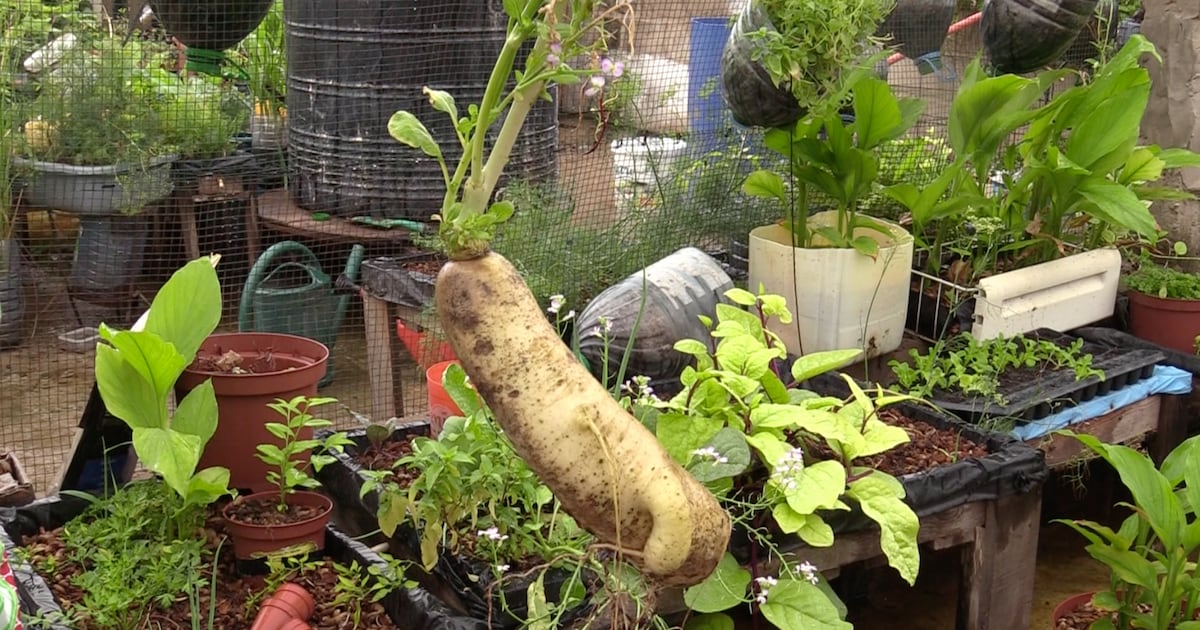
With a rising demand for fresh, locally sourced and affordable food, Bamako’s bio markets are gaining traction in Mali. A decade-long initiative by the Mali Solidarity Network in Agroecology and Citizenship (Resapac) is at the forefront, championing short supply chains and responsible consumption. The goal? To give city dwellers access to high-quality, eco-friendly produce while ensuring fair pay for local farmers.
Bridging producers and consumers through short supply chains
Resapac connects three key players in the food chain: growers, processors and buyers. Operating under a collective and transparent governance model, the network eliminates middlemen, cutting costs and fostering trust. By prioritising direct trade from farm to table, Resapac promotes sustainable farming practices that respect both people and the planet.
For consumers, this means more than just purchasing food—it means becoming an active participant in a transparent food system. Every product sold through Resapac comes with full traceability, allowing buyers to know exactly where their food comes from and how it was grown.
From field to fork: a farmer’s success story
Abdoulaye Sacko, a vegetable grower from Bamako, joined Resapac after partnering with Mali Engrais. His journey reflects the network’s impact on local farmers.
«I grow a variety of crops using only organic inputs, with no chemical fertilisers or pesticides,» he explains. «Since joining Resapac, my connection to consumers has improved, and my income has grown. I now encourage other farmers to switch to organic methods.»
For Sacko, the shift to bio farming wasn’t just about health—it was a business decision. By selling directly to consumers, he bypasses traditional market fluctuations and earns a fairer price for his labour.
Four thriving markets in Bamako
Djènèba Diallo, coordinator of Resapac’s Bamako markets, recalls the network’s humble beginnings. «We started with just one stand in Sotuba. Today, we operate four vibrant markets across the city: Sotuba, Badalabougou, Magnambougou and Hippodrome.»
The expansion mirrors the growing appetite for clean, locally produced food in Mali’s capital. Each market acts as a hub where farmers meet consumers face-to-face, fostering relationships built on trust and shared values.
«I first heard about Resapac through a colleague who shared a Facebook post about Mali-grown organic produce,» says a regular shopper. «I was immediately drawn to the idea of buying food that’s good for my health and supports local farmers.»
She highlights a stark contrast between conventional and bio produce. «Conventionally grown vegetables often spoil within 24 hours. Bio products, on the other hand, stay fresh much longer—proof of their natural quality.»
Pioneering a sustainable food future in Mali
Resapac’s model is more than a trend—it’s a movement. By aligning economic incentives with environmental stewardship, the network is redefining how Malians shop for food. Producers earn a living wage, consumers enjoy nutritious meals, and the planet benefits from reduced chemical use.
As demand for clean, traceable food continues to rise, Bamako’s bio markets stand as a testament to what’s possible when communities prioritise sustainability and fairness in their food systems.