
Behind the scenes: the forces pushing west africa toward borderless travel
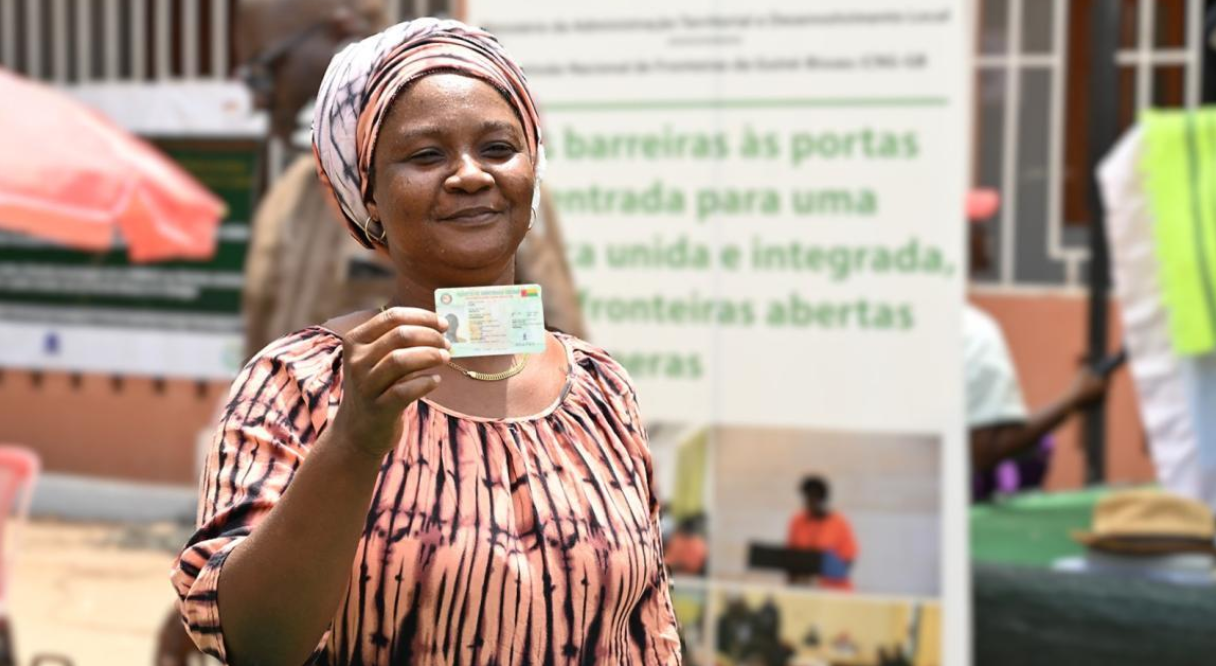
The January 2027 rollout of the ECOWAS Biometric Identity Card (ENBIC) isn’t just another policy announcement—it’s the product of years of bureaucratic friction, technological gaps, and regional political pressure. What started as a 2014 initiative to replace handwritten travel certificates has struggled through inconsistent adoption, differing national priorities, and delayed infrastructure upgrades. The Freetown Declaration, sealed in November 2026 by West African immigration chiefs, signals a final push to convert a dream of borderless travel into a practical reality for 400 million people.
From delayed promise to binding mandate: what changed in Freetown
The 10th annual meeting of ECOWAS immigration directors in Freetown did more than rubber-stamp the January 2027 start date. It created a legally binding framework that forces every member state to treat ENBIC as a primary travel document—even if its own citizens haven’t yet received the card at home. This rule overrides slower national deployments and accelerates what officials call “mutual recognition by default.” The Sierra Leone gathering also introduced a December 2030 deadline for each country to submit concrete national deployment timelines, turning vague pledges into accountable milestones.
Technical hurdles that could stall the 2027 start
Three layers of technical complexity sit between the Freetown agreement and smooth border crossings:
- Harmonised validation systems: Immigration officers currently cross-check ENBIC cards against disparate national databases that speak different digital languages. Harmonising these into a single regional verification gateway is a six-month sprint some capitals may not finish in time.
- Agent training gaps: Frontline border guards in Benin, Ghana, or Togo often confuse ENBIC with older travel papers. A recent pilot in Dakar revealed that 42 % of officers couldn’t correctly authenticate a Mauritanian ENBIC due to lack of exposure.
- Equipment deserts: Remote border posts in Burkina Faso or Niger still rely on paper ledgers. Upgrading each station with biometric scanners and offline verification kits requires budgets that some finance ministries haven’t yet approved.
The political calculus behind the sudden urgency
Analysts see three non-negotiable pressures forcing the 2027 timeline:
- Economic fatigue: Informal traders crossing the Togolese-Ghanaian border lose up to 15 % of daily revenues to bribes and delays. Governments facing youth unemployment rates above 50 % can no longer afford to postpone reforms that grease commerce.
- Geopolitical positioning: Accelerating ENBIC deployment helps ECOWAS present a united front against Sahel instability. A visible win in travel facilitation shifts international donor attention from security crises to integration dividends.
- Legal leverage: The 2014 ECOWAS Supplementary Protocol on Free Movement already guarantees right of entry and establishment. By making ENBIC the de facto enforcement tool, the bloc turns soft law into hard compliance through peer pressure.
Real lives on the line: who wins—and who waits
Small-holder farmers in northern Côte d’Ivoire who sell yams in Bamako will shave two days off each trip once ENBIC is accepted. Truck drivers hauling goods between Lagos and Niamey will trade extortion at checkpoints for transparent scans. On the flip side, rural citizens in Liberia or Sierra Leone—where national ID rollouts lag—could still face secondary checks if their ENBIC hasn’t reached home agencies.
For the first time, ECOWAS is tying its flagship integration project not to hopeful speeches but to measurable roadmaps. The Freetown Declaration didn’t solve every problem; it simply created a deadline and a scorecard that will keep every minister awake until 2027.
What borders will look like after january 2027
The acid test arrives not on paper, but at the choke points where people meet metal and concrete. Immigration officials will flip from “proof of citizenship” to “proof of identity” in one motion, but only if three conditions hold:
- Regional verification portal goes live with zero downtime.
- Every border post has at least one certified ENBIC scanner and one trained operator per shift.
- Member states publish transparent grievance procedures for travelers denied entry despite holding a valid ENBIC.
The Freetown Declaration didn’t eradicate old habits; it merely shortened the runway for old habits to either adapt or be replaced. In 2027, the watchword will be “recognition,” not “perfection.” The success of ENBIC will be measured not by photo ops at airports, but by the quiet disappearance of the once-familiar queues at borders across West Africa.