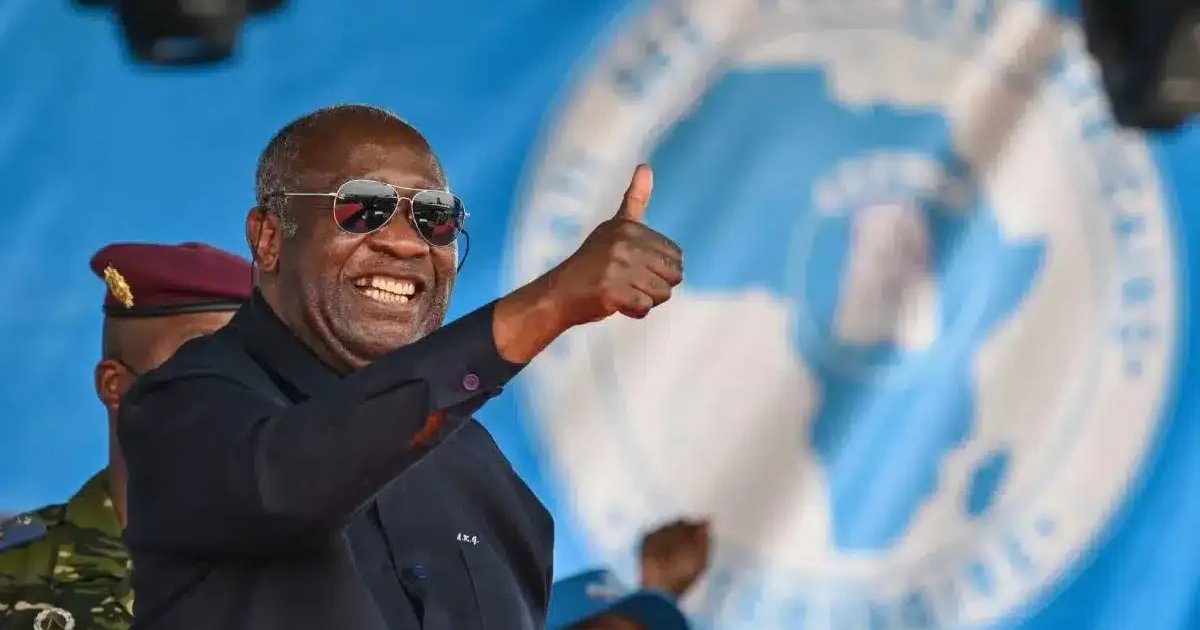

In a strategic move to modernize the governance of the Parti des Peuples Africains-Côte d’Ivoire (PPA-CI), former President Laurent Gbagbo has introduced a collegial leadership structure. Five key figures have been appointed to pivotal roles within the party, marking a shift toward shared responsibility while keeping Gbagbo at the helm of the organization.
The announcement, made on August 10, 2025, follows the president’s reappointment in May of the same year. Initially, plans suggested a single delegation of powers, but the final decision expanded to include a collective leadership framework. This reorganization aims to strengthen the party’s operational efficiency and internal cohesion.
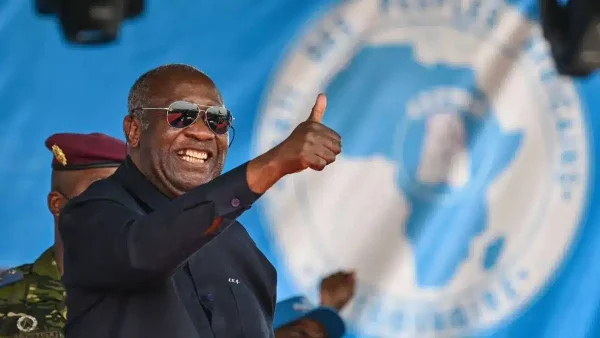
New leadership roles defined under Gbagbo’s direction
The reshuffle introduces five prominent figures into strategic positions, each tasked with distinct responsibilities to enhance the party’s functionality:
- Assoa Adou has been named First Vice-President, with a mandate to enforce the PPA-CI’s political line.
- Hubert Oulaye takes on the role of Second Vice-President, overseeing party affairs and presiding over central committee meetings.
- Emmanuel Ackah, former ambassador, is appointed Third Vice-President, responsible for party mobilization and engagement.
- Justin Katinan Koné retains his position as head of General Policy, ensuring alignment with the party’s overarching vision.
- Sébastien Dano Djédjé assumes leadership of the Strategic and Political Council, a newly created body tasked with guiding the party’s long-term initiatives.
Collegial governance maintains Gbagbo’s central role
While the restructuring introduces a more collaborative leadership model, analysts emphasize that the change is more structural than transformative. The new appointees will primarily handle day-to-day operations, ensuring continuity while reinforcing Gbagbo’s authority as the party’s undisputed leader.
Political commentator Abdourahmane Barry notes that this evolution reflects a deliberate effort to diversify leadership without diluting Gbagbo’s influence. “The goal is to create a balance between delegation and control,” Barry explains. “The party’s direction remains firmly under Gbagbo’s guidance, with the new team acting as an extension of his vision.”
The reorganization aligns with the PPA-CI’s broader strategy to institutionalize a multi-faceted leadership team, following Gbagbo’s re-election as party president in May 2025. Details regarding the coordination mechanisms between the new leaders remain undisclosed, leaving room for interpretation about how this collective approach will translate into action.