
Mali: nearly 40,000 people displaced by renewed fighting in the North and Centre
Since late April, escalating clashes and airstrikes in Mali have forced nearly 40,000 civilians to flee their homes, with Gao and Ménaka emerging as key destinations for the displaced.
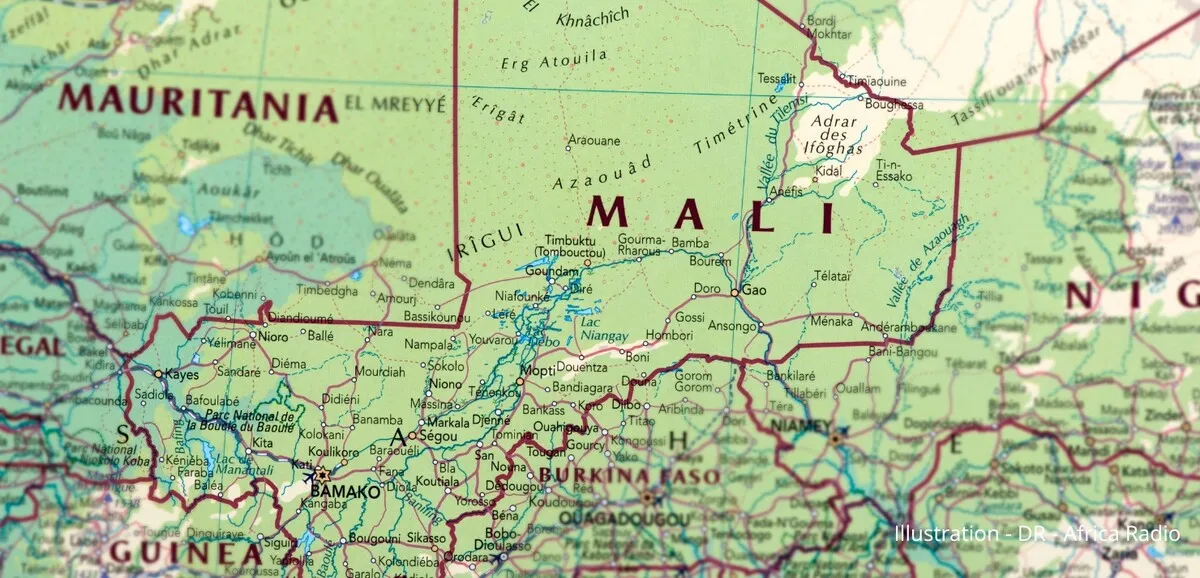
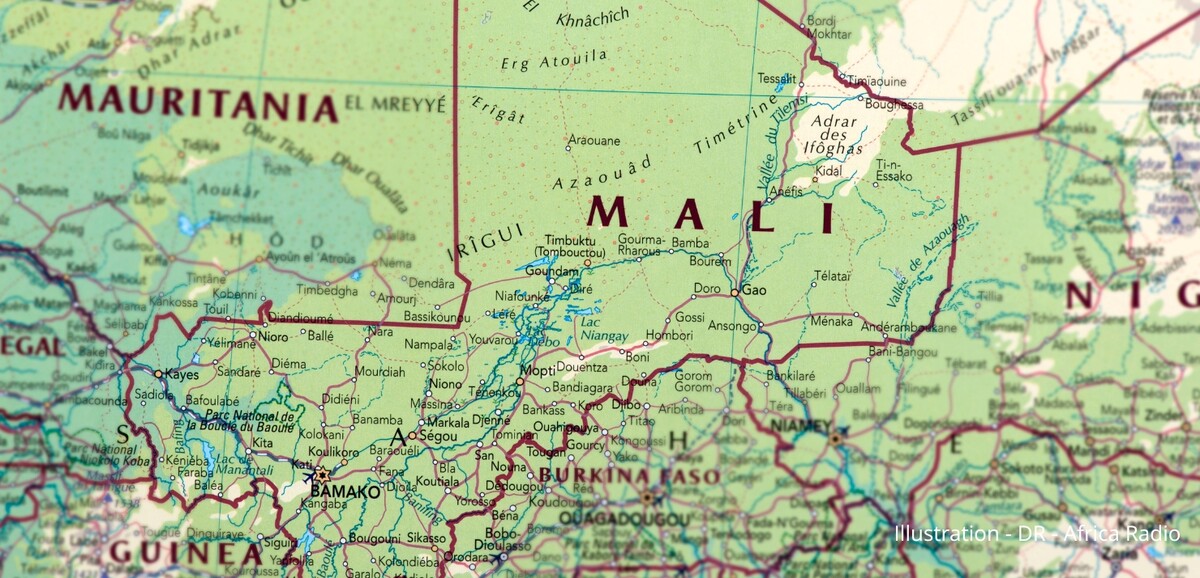
The security crisis in Mali has taken a dramatic turn, with nearly 40,000 people uprooted from their homes since late April. Humanitarian sources confirm that Gao and Ménaka in northern Mali are hosting the majority of these displaced families, with at least 15,000 arriving in these cities alone. In Gao, a local official reports over 7,000 new arrivals in just three months—a figure described as unprecedented in recent years.
Kidal emerges as a flashpoint in renewed offensives
The surge in violence stems from a coalition of jihadist groups and separatist factions launching coordinated attacks since late April. The strategic city of Kidal, in northern Mali, has fallen under their control, intensifying fighting in surrounding areas like Anéfis. For local populations, this has meant repeated displacements, abandonment of villages, and increasingly limited access to essential services.
Escalating airstrikes trigger further displacement
Over the past two weeks, Malian military forces have intensified aerial bombardments in Kidal’s surrounding zones, particularly near Tinzawatene. While unverified reports suggest some strikes may have damaged health centres and triggered additional displacements, one fact remains clear: the number of people fleeing combat zones continues to rise. These civilians are seeking refuge in cities where resources are already stretched thin.
Gao and Ménaka face mounting humanitarian strain
The influx of thousands of displaced persons has placed immense pressure on local authorities and aid organisations. Most arrivals originate from the Kidal region, where conditions have deteriorated sharply since April. Displaced families require shelter, food, clean water, medical care, and support for children. This crisis compounds an already fragile humanitarian situation in northern and central Mali, where over 400,000 internally displaced persons were recorded before this latest wave—a figure many humanitarian actors believe is underestimated.
A decade-long security crisis
Mali has grappled with a deepening security crisis since 2012, driven by jihadist factions linked to Al-Qaïda and the Islamic State, alongside armed communal and separatist groups. Following military coups in 2020 and 2021, transitional authorities prioritised territorial recovery and security restoration. Yet the recent resurgence of violence underscores the ongoing challenges in stabilising the region.
For northern Mali’s long-suffering communities, this latest displacement crisis raises a pressing question: how much longer can families remain in their homes before fleeing becomes the only option?