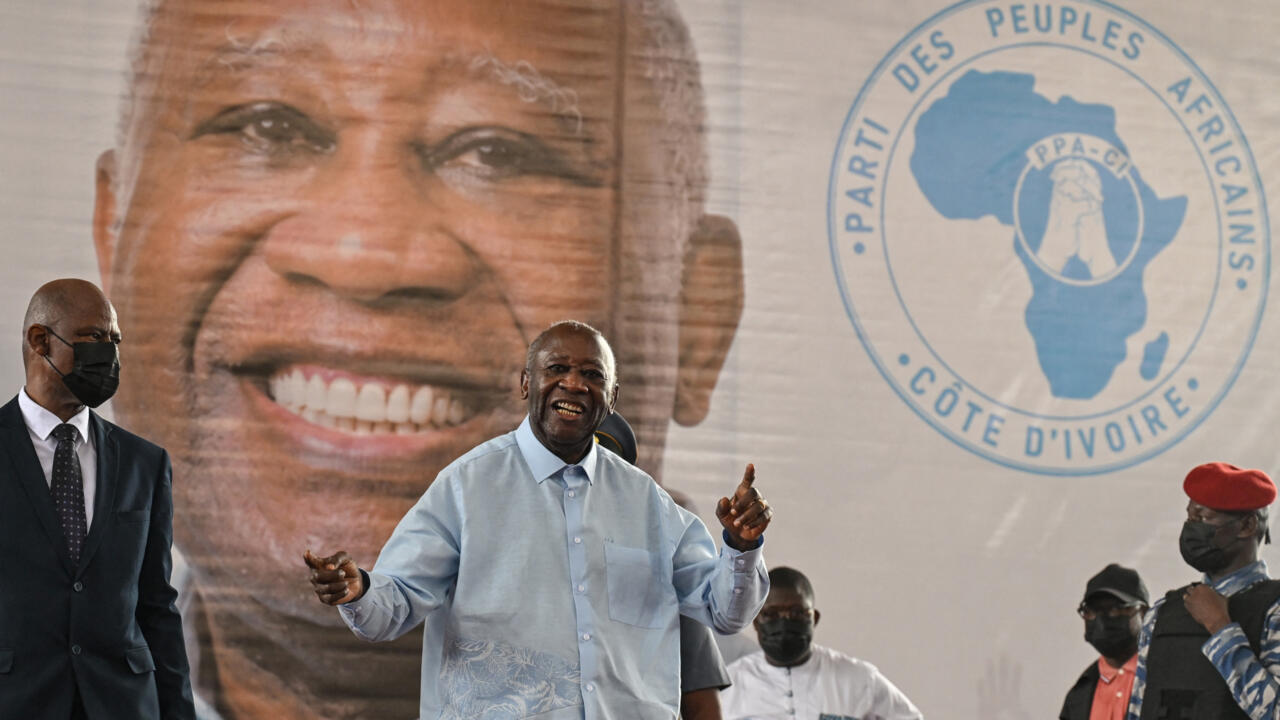

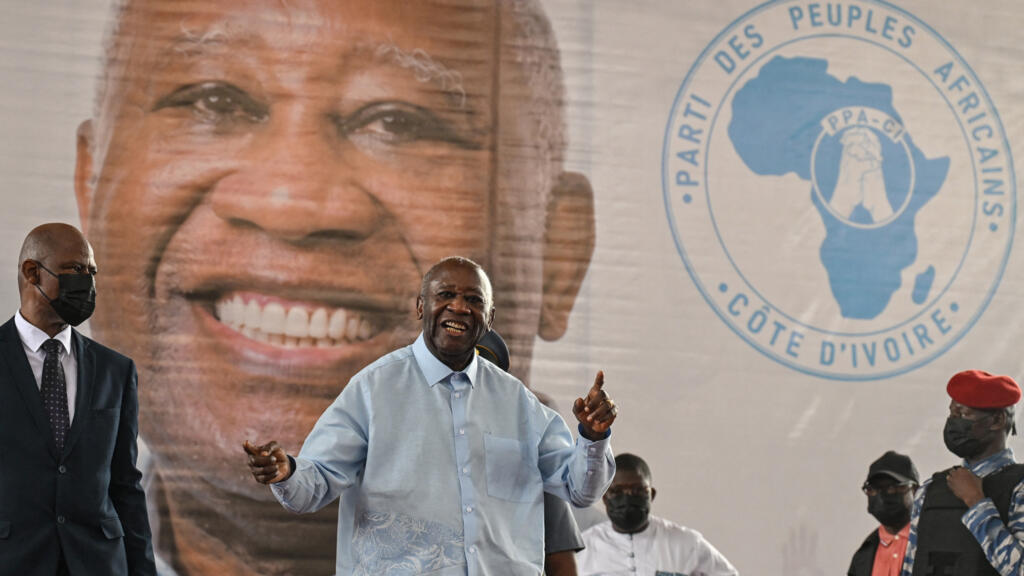
The political landscape in Côte d’Ivoire is witnessing a significant shift as the Party of the People of Côte d’Ivoire (PPA-CI) undergoes a strategic restructuring under the leadership of former President Laurent Gbagbo. Five prominent figures within the party have been entrusted with key responsibilities previously held by Mr. Gbagbo himself. This move is widely interpreted as a deliberate step toward consolidating the party’s future in anticipation of a post-Gbagbo era.
Building the future of Côte d’Ivoire’s PPA-CI: delegation of power
Laurent Gbagbo’s decision to delegate authority to five senior party members marks a turning point for the PPA-CI. These individuals will now manage critical portfolios that were once exclusively under Mr. Gbagbo’s control. This reorganization is seen as a calculated move to strengthen the party’s internal cohesion and prepare for a transition period, ensuring stability and continuity in the political arena.
The reshuffle reflects a broader effort to modernize the party’s governance structure while maintaining its core ideological foundations. By entrusting these responsibilities to trusted allies, the PPA-CI is positioning itself to navigate the challenges ahead with greater resilience and strategic foresight.
The sociologist’s perspective on the PPA-CI’s evolution
Sociologist and researcher Séverin Yao Kouamé of Bouaké University offers valuable insights into the implications of this leadership transition. Speaking as a guest on the program Africa Noon, he emphasized that the restructuring reflects a deliberate strategy to prepare the party for a future without its long-standing leader. According to Kouamé, this shift is not merely administrative but a fundamental step toward redefining the PPA-CI’s role in Côte d’Ivoire’s evolving political landscape.
Kouamé noted that the delegation of power serves multiple purposes: it fosters internal growth, encourages younger leaders, and ensures that the party remains a formidable force in national politics. The move also signals an openness to renewal while preserving the legacy of its founder.
What lies ahead for the PPA-CI?
The coming months will be pivotal for the PPA-CI as it adapts to its new leadership structure. Observers are closely monitoring how the newly appointed officials will integrate into their roles and whether the party can maintain its unity and momentum. The effectiveness of this transition will likely influence the PPA-CI’s ability to remain competitive in upcoming elections and policy debates.
One key question is whether the party can successfully balance tradition with modernization. The PPA-CI’s ability to adapt while staying true to its core values will determine its long-term relevance in Côte d’Ivoire’s dynamic political environment.
The role of grassroots support
The success of this reorganization will also hinge on the party’s connection with its base. Maintaining strong ties with grassroots supporters is essential to ensure that the party’s decisions resonate with its constituents. Leaders must demonstrate transparency and accountability to build trust and sustain engagement.
As the party moves forward, the broader public will be watching to see how these changes translate into tangible outcomes for the people of Côte d’Ivoire. The PPA-CI’s ability to deliver on its promises while navigating a competitive political landscape will be closely scrutinized.